

Updated February 2026: We have updated the article with new findings on AI-powered mobility aids and assistive technologies, including AI-enhanced smart wheelchairs, power-assist devices, robotic transfer aids, all-terrain and stair-climbing chairs, and wearable navigation tools. The update reflects innovations highlighted at CES 2026 and updated market trends driving enhanced independence in assisted living in Albany, NY.
Comprehensive Guide to Assisted Living in Albany, NY
The decision to find the right assisted living community for a loved one is crucial, especially in Albany, NY, where the senior population continues to grow. As of the latest data, approximately 13.76% of Albany’s population is aged 65 and over, according to Neilsberg Insights. Understanding the local senior care landscape becomes essential, as the costs for assisted living in Albany average around $5,034 per month, surpassing the national average A Place for Mom.
Understanding the Assisted Living Landscape in Albany
Albany hosts a diverse range of assisted living facilities that cater to a variety of needs and preferences, totaling approximately 28 communities according to Health NY. These facilities offer services like assistance with activities of daily living (ADLs), meal preparation, and social activities to enrich residents’ lives. As the aging demographic is anticipated to grow, facilities are adapting to accommodate more seniors while ensuring seamless transitions into supportive care.
Consider the case of Mary, an Albany local who thoughtfully transitioned into assisted living by researching and visiting multiple facilities, allowing her to select a community that felt like home. Her story highlights the importance of aligning personal needs with the right facility offerings.
Financial Considerations and Market Analysis
Understanding the financial aspects of assisted living in Albany involves various factors. Costs can fluctuate based on the care level required, the type of housing selected, and available amenities. For families such as the Browns, who conducted detailed comparisons of facilities, balancing these factors against their budget was key. According to Ultimate Care NY, the city’s facilities are experiencing increased occupancy rates, now at 83%, reflecting robust demand and essential planning considerations.
Key Features of Top-Rated Assisted Living Providers
Certain facilities are distinguished by their exceptional care quality. For instance, Ingersoll Place is commended for its welcoming staff and superior amenities, with residents frequently describing it as feeling “very much at home” A Place for Mom. When selecting a provider, the quality of staff and resident satisfaction are crucial components to ensure a comfortable living situation.
Enhancing Independence and Mobility in Assisted Living
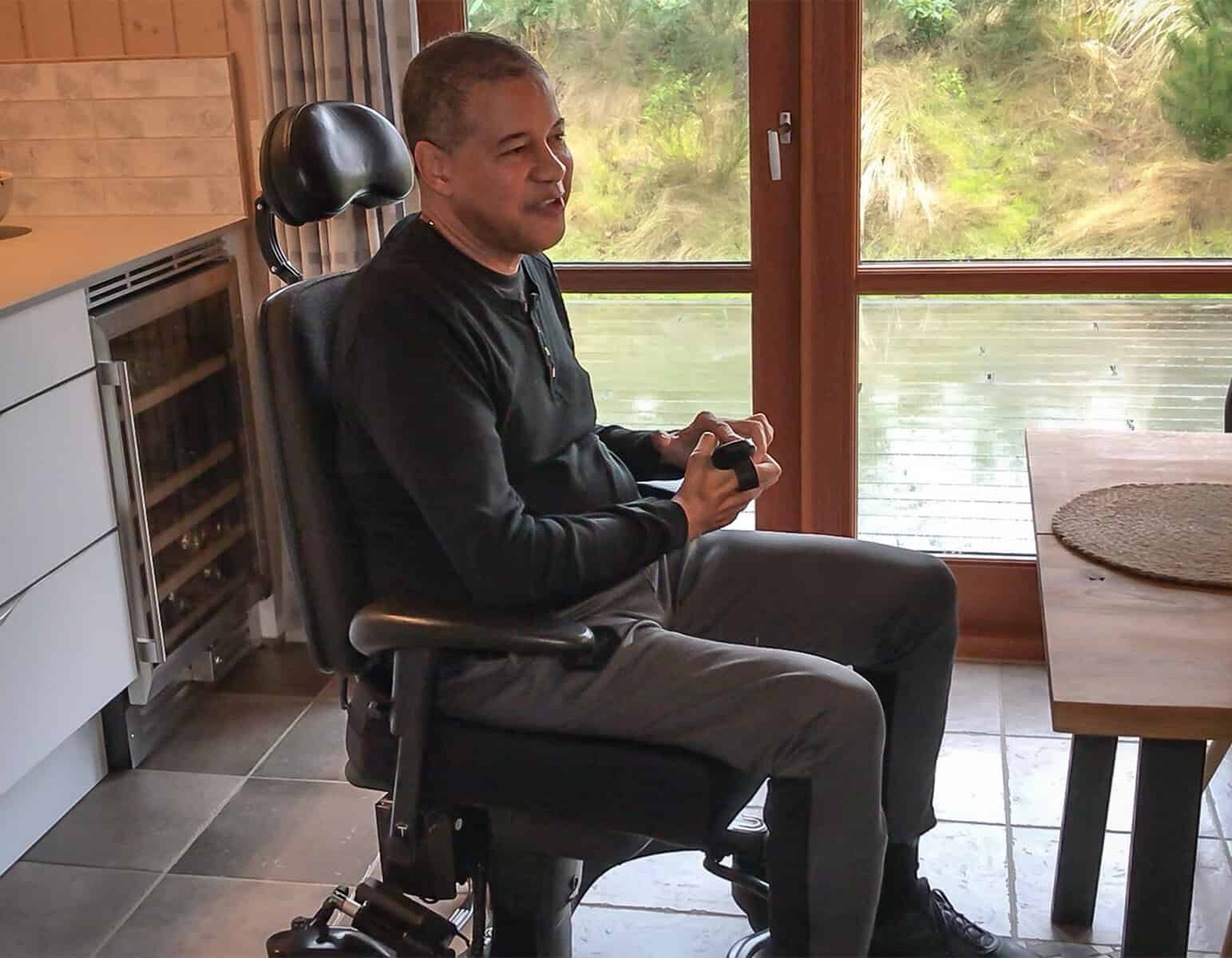
As more seniors strive to maintain their independence within assisted living environments, innovative solutions are at the forefront. Recent advances in AI-powered assistive technologies are reshaping how residents interact with their environment and maintain autonomy. New AI-enhanced smart wheelchairs now feature autonomous navigation, real-time obstacle avoidance, and safety monitoring, improving movement and confidence for residents with limited mobility AbilityMT.org. Power-assist devices for manual wheelchairs, like the upcoming WheelMove, extend travel range significantly and help users conserve energy Mobility Management. All-terrain and stair-climbing chairs from companies like XSTO make it possible for users to safely navigate stairs and overcome obstacles in and around assisted living facilities Mobility Management.
Robotic transfer aids, such as ReviMo’s Niko, now provide automated solutions for bed-to-chair transfers, improving safety and reducing strain for both residents and caregivers Accessibility.org.au. Wearable navigation aids like Hapware’s Aleye haptic wristband and iSee AI glasses empower seniors with visual or communication impairments to interact more confidently with their surroundings through haptic cues and AI-driven audio feedback AbilityMT.org, Accessibility.org.au.
Many facilities face challenges like preventing falls and ensuring mobility without compromising residents’ freedom of movement. Devices like VELA medical mobility chairs remain a pivotal option, providing safety, freedom of movement, and assistance for daily activities such as cooking and dressing. In line with inclusive product development, many aids now incorporate user-centered design, ergonomic features, and smart functionality, supporting both physical rehabilitation and independent living. The integration of advanced wearable and AI-driven devices reflects broader market shifts: assistive mobility solutions are projected to reach a 34% market share by 2025, driven largely by aging demographic needs and demand for inclusive technology Market.us.
User feedback and ethical design principles are increasingly guiding the adoption and refinement of these technologies. Residents like John report improved confidence and greater ease in everyday tasks, demonstrating the positive impact of combining modern AI-driven devices with proven mobility solutions AbilityMT.org.
Choosing the Right Assisted Living in Albany for Your Loved One
Selecting the appropriate facility demands considering various factors, including financial sustainability, required care levels, and the quality of community life. According to Haven Senior Investments, it is important to evaluate long-term affordability and potential financial assistance options. With around 70% of assisted living residents requiring aid with ADLs and 50% addressing dementia-related issues, matching these needs with available services is critical.
In recent years, regulatory bodies have begun to address the implications of AI deployment in assisted living settings. This includes evolving guidelines for device safety, data privacy, and clinical validation to ensure technology remains accessible, user-friendly, and respectful of individual autonomy. Families are encouraged to consider the transparency, privacy protection, and adaptability of AI-enabled devices and services when making their selection.
In conclusion, planning for assisted living in Albany requires a comprehensive grasp of financial, demographic, and care factors. The integration of AI-powered and ergonomic mobility aids like VELA chairs, smart wheelchairs, stair-climbing chairs, power-assist solutions, and wearable navigation devices can create an environment that is both supportive and empowering for seniors. By leveraging the latest advances in assistive technology and following updated best practices, families can navigate the landscape to determine the best possible care outcomes for their loved ones Mobility Management, AbilityMT.org.
Supporting Aging in Place: A Practical Option
Providing a viable alternative to nursing homes, mobility solutions like VELA chairs support the growing trend of aging in place. These chairs allow seniors to remain independent longer by addressing common mobility concerns such as safety and ease of movement. Features like a central brake provide security, while electric height adjustability and ease of movement enhance daily life activities. Alongside these, hands-free and voice-activated technologies support daily living by making household management more accessible. Newer AI-powered aids—including robotic lifts for transfers, power-assist drive modules, stair-climbing robotic chairs, and wearable navigation tools—extend independence for those with complex mobility or communication needs Mobility Management, AbilityMT.org, Accessibility.org.au. Such innovations delay the need for more intensive care environments by maintaining dignity, freedom, and energy for seniors at home. While VELA is a proven option, it stands among various adaptive strategies that support aging in place, offering individuals and their families peace of mind and practical assistance for everyday tasks. For more details on solutions supporting senior independence, explore Mobility Solutions for Seniors.
AbilityMT.org (2026) – Exciting Assistive Technology for People with Disabilities
Mobility Management (2026) – CES 2026: 4 Assistive Technology Exhibitors to Watch
Market.us (2026) – Assistive Technology Statistics and Facts
Accessibility.org.au (2026) – CES 2026 Includes Mobility, Health and Smart Home Tools