

Updated February 2026: We have updated the article with the latest 2026 advancements in assistive technology, including AI-powered mobility systems, modular and customizable equipment design, lightweight carbon fiber and aluminum devices, multi-modal mobility support, and emerging high-tech solutions from leading industry showcases.
Updated October 2025: We have updated the article to reflect the latest advancements in assistive technology, including AI-powered smart glasses, brain-computer interface prosthetics, smart wheelchairs with adaptive navigation, and integrated AI assistants. New developments in ergonomic and adaptive design, funding trends, and global demand projections are also highlighted for caregivers and families considering assisted living in Avon, CT.
Navigating Assisted Living Choices in Avon, CT
Choosing the right assisted living community for a loved one is a significant decision, especially in a location as distinctive as Avon, CT. Known for its blend of premium amenities and dedicated care, assisted living in Avon ensures peace of mind for families knowing their loved ones receive top-quality support. This affluent suburb meets the demand for superior elderly care services with a selection of outstanding facilities focused on enhancing seniors’ quality of life.
According to the CDC, there are over 800,000 residents in assisted living communities across the U.S, with many over 85—a trend mirrored in Avon. Although Medicare does not cover long-term care, it does fund certain health services, underscoring the importance of understanding the financial landscape when considering these facilities (Medicare.gov).
Exploring Assisted Living Options in Avon, CT
Avon features a variety of assisted living communities that reflect its affluent character and cater to a range of needs. Assisted living typically combines housing, medical care, and lifestyle amenities, providing a balanced life for residents with varying requirements. The demand for comprehensive care facilities is highlighted by Avon’s high proportion of elder residents. According to the National Institute on Aging, residents often require help with daily activities and have health issues like dementia or mobility impairments.
In Avon, facilities like River Ridge at Avon provide supportive environments where residents can flourish through structured daily activities and specialized care, such as memory care programs. The Connecticut Department of Public Health (CT DPH) regulates these to maintain high safety and quality standards.
Uncovering the Key Amenities for Seniors in Avon
Top assisted living communities in Avon, such as River Ridge, emphasize the significance of not just medical care but enriching residents’ lives through various amenities. They offer structured activities promoting social interaction and pet-friendly policies for companionship. User reviews frequently highlight the exceptional kindness of staff and cleanliness, which are vital for resident satisfaction.
Imagine a resident engaging in a crafts workshop followed by a pet therapy session, offering both social engagement and emotional comfort. According to a family review on A Place for Mom, such programs significantly uplift residents’ spirits, creating a vibrant community atmosphere.
Top Assisted Living Providers in Avon: A Comparative Look
Assisted living facilities in Avon include notable names like River Ridge, Arden Courts, and LCB Residence. Each offers unique features tailored to the diverse needs of seniors. A comparative analysis shows River Ridge excels in affordability combined with high-level care, Arden Courts focuses on specialized memory care, and LCB Residence is recognized for elegant living and an active lifestyle. Costs can range widely; River Ridge averages around $5,600 per month, competitive compared to area peaks of up to $10,129. Families choose based on specific priorities, such as memory care needs or financial considerations (A Place for Mom).
Maximizing Independence: The Role of Advanced Adaptive Equipment
In 2026, assistive technology has advanced to provide seniors and families with innovative tools for greater autonomy, particularly in mobility and daily living. The integration of AI-powered features into wheelchairs and mobility devices now includes autonomous navigation using lidar sensors, real-time gait adaptation with AI motion engines, and sensor-enabled cushions that monitor pressure points and connect to mobile apps for health tracking.[1][5][9]
Manufacturers are increasingly prioritizing modular and customizable equipment designs. This approach allows users to upgrade or adapt their assistive technologies over time without needing to replace entire systems, meeting changing needs and offering better long-term value.[1] Additionally, modern devices leverage advanced materials, such as aluminum alloys and carbon fiber, to significantly reduce weight while retaining strength. This makes equipment easier to handle and transport—an essential improvement for older adults and those with diminished mobility.[1]
The model of support has become more holistic, with care teams utilizing a toolkit of solutions. This multi-modal approach combines gait trainers, standers, orthoses, and adaptive bikes to tailor mobility support to each individual’s daily routines and personal goals.[7]
Emerging high-tech solutions showcased at CES 2026 include self-driving mobility chairs with obstacle detection, exoskeletons that adapt in real time to the wearer’s walking pattern, and vision-assist glasses for users with visual impairments—pushing the boundaries of autonomy and user confidence.[2][9]
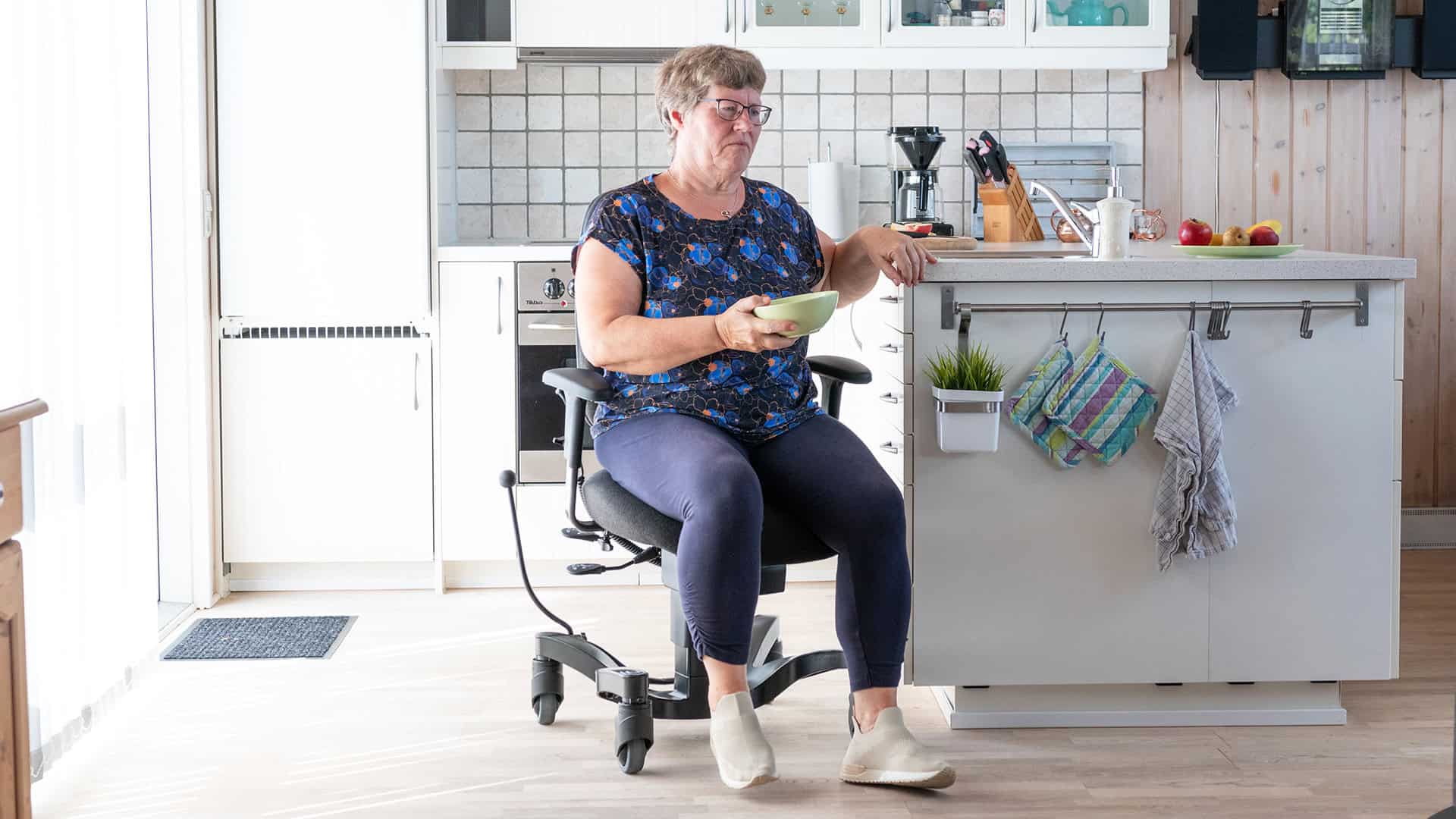
Alongside these new advances, traditional solutions such as the VELA Independence Chair remain important. This medically approved chair offers enhanced safety and ease of movement for everyday activities, working effectively in tandem with new smart and connected technologies.
Exploring Alternatives to Nursing Homes With Modern Technology
The World Health Organization reports a sharp rise in global need for assistive technology, projecting that 3.5 billion people will require such devices by 2050 (World Health Organization). Broadening coverage and funding for smart, modular technology—such as AI-enabled wheelchairs—helps support accessibility and independence for seniors in assisted living and at home.[1][5][9]
Industry experts and user feedback at major events in 2026, including technology showcases and assistive tech conferences, confirm these innovations are improving everyday life in community settings and public accessibility—including through the adoption of high-tech mobility, vision assistance, and modular product solutions.