

Updated September 2025: We have updated the article to reflect Delaware’s latest assisted living regulations, including mandatory annual dementia-specific staff training, expanded protections against discrimination, new certification requirements for memory care, increased regulatory accountability, and updates to Medicaid long-term care eligibility and benefits.
Delaware’s Assisted Living: Navigating a Growing Demand
With an aging population, Delaware faces increasing demand for assisted living services. The state’s population aged 65 and older is projected to grow by approximately 60% from 2015 to 2050, according to the Delaware State Chamber of Commerce. As families explore options for quality elder care, understanding the lay of the land for “assisted living in Delaware” is more pertinent than ever.
Delaware’s Assisted Living Market Landscape
In 2023, Delaware housed 34 assisted living facilities, offering over 2,700 licensed beds. Despite this availability, the weighted occupancy rate was notably low at 35%, influenced by several factors, including a decline in resident move-ins, according to the Delaware Department of Health and Social Services. This occupancy rate varied significantly across counties, with Sussex County reaching 41% compared to Kent’s 27.3%.
Overall, Delaware’s market faces challenges distinct from national senior living trends, where occupancy rates are generally rising. Noteworthy is the story of Magnolia Ridge, a facility in New Castle County actively working to sustain its occupancy. They implemented personalized marketing strategies and partnerships with healthcare networks, which have been crucial in today’s competitive environment. They are an example to other facilities aiming for sustained growth.
Financial Considerations for Assisted Living in Delaware
Financial planning is essential when contemplating assisted living. According to AssistedLiving.org, facilities in Delaware experience cost variations influenced by inflation and location. Families must navigate rising monthly rates and additional fees for specialized care. Consider the example of the Martinez family, who restructured their finances when a member needing memory care joined an assisted facility. This illustrates the profound financial implications of these transitions.
As of 2025, updates to Delaware Medicaid now impact eligibility and access to long-term care and Home and Community Based Services (HCBS) waivers, affecting affordability and service access for residents. It is important for families to consider these changes in Medicaid eligibility and coverage as they plan for assisted living expenses.
Sources: Delaware Medicaid Long Term Care Programs (2025)
Selecting a facility involves anticipating not only current expenses but future financial demands as the senior’s care needs evolve. This emphasizes the need for thorough research and planning to balance quality care with affordability.
Regulatory Changes and Resident Protections
Delaware has enacted strengthened regulations for assisted living, focusing on higher quality care, enhanced resident protections, and improved regulatory standards. New legislation requires annual dementia-specific staff training, emphasizing effective communication and safety for residents with Alzheimer’s disease and related dementias. Facilities that provide memory care now must maintain dementia care certification, upholding a new quality benchmark for specialized care.
Sources: Delaware Administrative Code – Assisted Living Facility Requirements (2024-2025), National Center for Assisted Living (2025 updates), McKnight’s Senior Living (2025)
Recent bills further expand resident protections by prohibiting discrimination in long-term care based on protected classes, including domestic partnerships, and by expanding visitor rights. Laws now also support increased regulatory accountability and allow for more flexible accreditation. The resident protection commission has been empowered to advocate for system reforms and recommend additional measures to improve safety and quality of life.
Sources: Delaware SB155 Draft Legislation (2025), Delaware Health Care Facilities Association (2025)
Health and Well-being of Seniors in Delaware
Health trends among Delaware seniors spotlight the importance of comprehensively equipped facilities. The prevalence of depression among residents 65 and older increased from 9.4% to 13.5% between 2021 and 2023, according to America’s Health Rankings. Encouragingly, geriatric care availability improved as geriatric clinicians saw a 33% increase.
One facility, Seabreeze Living, effectively addressed these mental health challenges by integrating robust mental health programs, visibly improving resident well-being and satisfaction. This serves as a vital example for other facilities aiming to provide holistic care.
Mobility and Independence Solutions in Assisted Living
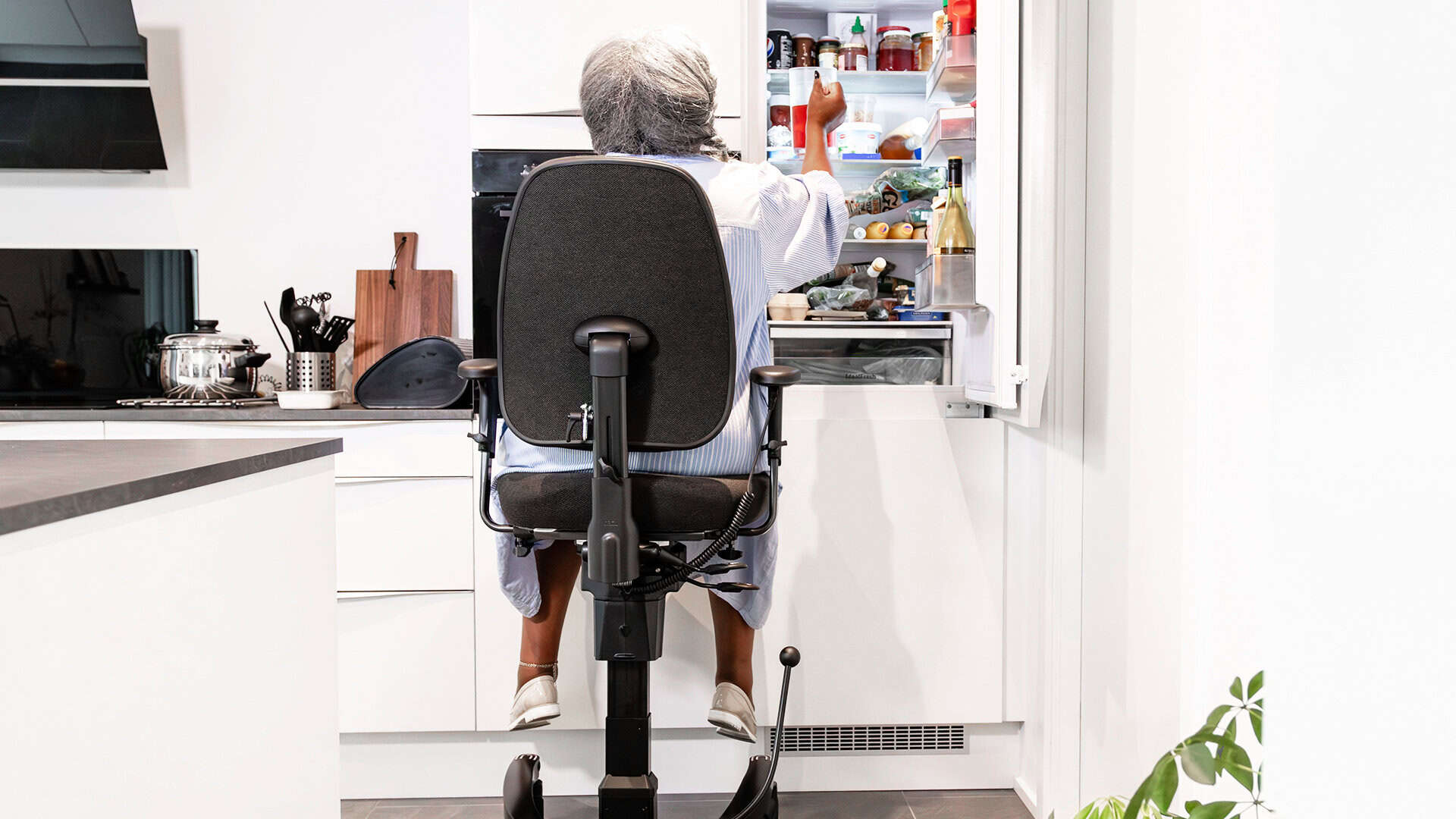
As Delaware’s assisted living facilities face challenges like varying occupancy rates and increasing costs, there is also an emphasis on enhancing the independence of seniors, which is crucial for quality of life. Staying independent in one’s home is often a preferred option when possible, emphasizing solutions that aid mobility and reduce dependence on formal care settings. The VELA Independence Chair presents a medically approved option designed specifically for home use. It offers enhanced safety, freedom of movement while seated, and supports daily activities such as cooking, dressing, or transferring. This reduces the load on informal caregivers and could serve as a practical alternative to assisted living facilities.
Delaware’s aging demographic signals a growing need for robust assisted living solutions. Addressing the multi-faceted needs of seniors—from financial planning and awareness of regulatory changes, to health and mobility support—is crucial for families and policymakers alike. By understanding these dynamics, stakeholders can better prepare for the evolving landscape, ensuring quality care for Delaware’s senior residents and securing a sustainable future for the state’s assisted living industry.