

Updated February 2026: We have updated the article with new findings on the expanded integration of AI and smart technologies for health monitoring and mobility support, recent trends in assisted living design and costs in Detroit, innovations in memory care and wellness programs, and recent Detroit-specific market data.
Navigating Assisted Living in Detroit: Meeting the Growing Demand
Assisted living in Detroit is quickly becoming a necessary service due to the city’s expanding elderly demographic. According to Axios, the 65-and-older population in Metro Detroit grew by 8.6% from 2020 to 2023. This demographic shift significantly impacts local services and infrastructure, stressing the urgent need for expanded assisted living options and support systems.
Overview of Assisted Living in Detroit: Trends and Demand
The increasing demand for assisted living in Detroit is mainly driven by an aging population with complex needs. Nationally, A Place for Mom reports that 7 out of 10 people will need assisted living care during their lifetime, primarily due to age-related chronic illnesses. Detroit reflects this trend, with many seniors transitioning from independent living to assisted care as their mobility diminishes.
Since 2025, Detroit’s assisted living facilities have increasingly integrated AI and smart technology for personalized care, health monitoring, and mobility support. Common solutions include AI-powered forecasting of health changes, robotics for daily tasks, and advanced caregiver tools that facilitate resident engagement and interaction.[1] AI-driven mobility aids, robotic support for daily functions, and sensor-based monitoring improve both safety and independence, while also reducing staff workload. Personalization has advanced, with ergonomic equipment and living spaces designed to flexibly adapt to evolving resident needs, including two- and three-bedroom hybrid models for aging in place and minimizing disruptive moves between care levels.[4]
Memory care programs increasingly emphasize structured routines and the integration of digital wellness programs, addressing physical, nutritional, and mental health for a holistic approach.[6] Detroit is also adapting community spaces with intergenerational designs and leveraging ethical frameworks for the responsible use of new technologies.[7]
In a practical scenario, consider the Miller family, whose patriarch, John, struggled with everyday tasks due to Parkinson’s. After researching assisted living options, they discovered several Detroit facilities offering specialized care for mobility-challenged seniors. This first-hand experience underscores the critical role of reliable, local assisted living services—now further strengthened by innovative technology, AI solutions, and flexible approaches that encourage aging in place.
Costs and Payment Options for Assisted Living in Detroit
Understanding the financial implications is crucial for families considering assisted living in Detroit. As of early 2026, Detroit-area facility costs have risen sharply, averaging $5,900–$6,000 per month, reflecting a more than 20% increase over the past two years due to high demand and increased acuity of care.[6] High-end options and memory care units can command even higher rates, particularly in facilities offering onsite clinical services, such as onsite dialysis and sophisticated rehabilitation programs enabled by robotics and AI support.[1]
The Detroit metropolitan area also faces low inventory growth of new units, which, combined with high demand, has increased occupancy rates to between 79% and over 90% in some facilities.[5] This makes planning and early application critical for families seeking high-quality care.
Payment strategies continue to evolve. Families often explore long-term care insurance, state support programs, and veterans’ benefits to manage these expenses. Recent updates to Michigan’s Medicaid and long-term care eligibility rules expand the spectrum of residents who can qualify for financial assistance, making assisted living more accessible for those with greater medical or physical support needs. For detailed eligibility criteria, see Medicaid Planning Assistance and Medicaid Long Term Care Michigan.
The Lee family, for instance, successfully leveraged a combination of savings and Michigan’s Medicaid programs to afford quality care for their elderly parent, highlighting the importance of strategic financial planning in securing necessary care.
Top-Rated Assisted Living Facilities in Detroit: Reviews and Features
Detroit is home to several top-rated assisted living facilities that cater to a wide range of needs and preferences. The area currently reports occupancy rates between 79% and 90%, with low rates of new construction causing increased competition for available units.[6][5] Facilities are expanding amenity offerings and blending independent and assisted living in flexible unit layouts, such as two- and three-bedroom models that support residents’ desire to age in place and minimize the stress of moving between levels of care.[4]
Facilities like American House Senior Living Communities embrace personalization and technology to improve resident quality of life. AI-enabled monitoring systems, telehealth services, and robotics for daily support have become standard in many locations, allowing for enhanced care quality, early intervention, and more meaningful engagement between staff and residents.[7] These approaches are supported by immersive VR/AR rehabilitation options and comprehensive wellness programs. Structured routines, especially in memory care, and the use of digital cognitive and physical wellness programs further support residents’ needs.[6]
Universal and inclusive design principles are increasingly applied, ensuring that assistive devices and environments can be adapted for a wide variety of physical and cognitive needs. Emerging community models include the repurposing of existing retail and commercial spaces for intergenerational use, fostering greater social connections and reducing isolation.[7] Testimonials from residents and families often highlight improvements in quality of life, strong staff support, and the effectiveness of new technology-enabled solutions.
Regulatory Standards and Resident Protections in Michigan
Understanding Michigan’s regulatory landscape governing assisted living facilities is essential for peace of mind. The Michigan Department of Licensing and Regulatory Affairs (LARA) maintains rigorous standards focused on infection control, enhanced ventilation, and outdoor therapy services. As personalized technology and AI become standard in care, Michigan is deploying interdisciplinary task forces to set ethical standards for the safe and responsible use of AI and robotics in daily care, with quarterly policy reviews to keep pace with industry changes.[1]
Licensed facilities now must comply with expanded staff training requirements, covering advanced person-centered approaches and the use of smart assistive technology. Transparent compliance records and third-party reporting have become more important than ever for families seeking high-quality care. For full details on current licensing requirements and inspection procedures, see Michigan Department of Licensing and Regulatory Affairs, AHCA/NCAL State Regulatory Review, and MyFieldAudits – State Regulations.
Consider the Jackson family, who meticulously vetted numerous facilities, focusing on their compliance records with LARA. Their diligence ensured that their selected facility adhered to the highest safety protocols, providing a secure environment for their elderly mother. Staying up-to-date with regulatory compliance, ethical oversight of AI and robotics, and safety requirements is especially crucial as care becomes more technologically advanced.
Overcoming Assisted Living Challenges with Mobility Innovations
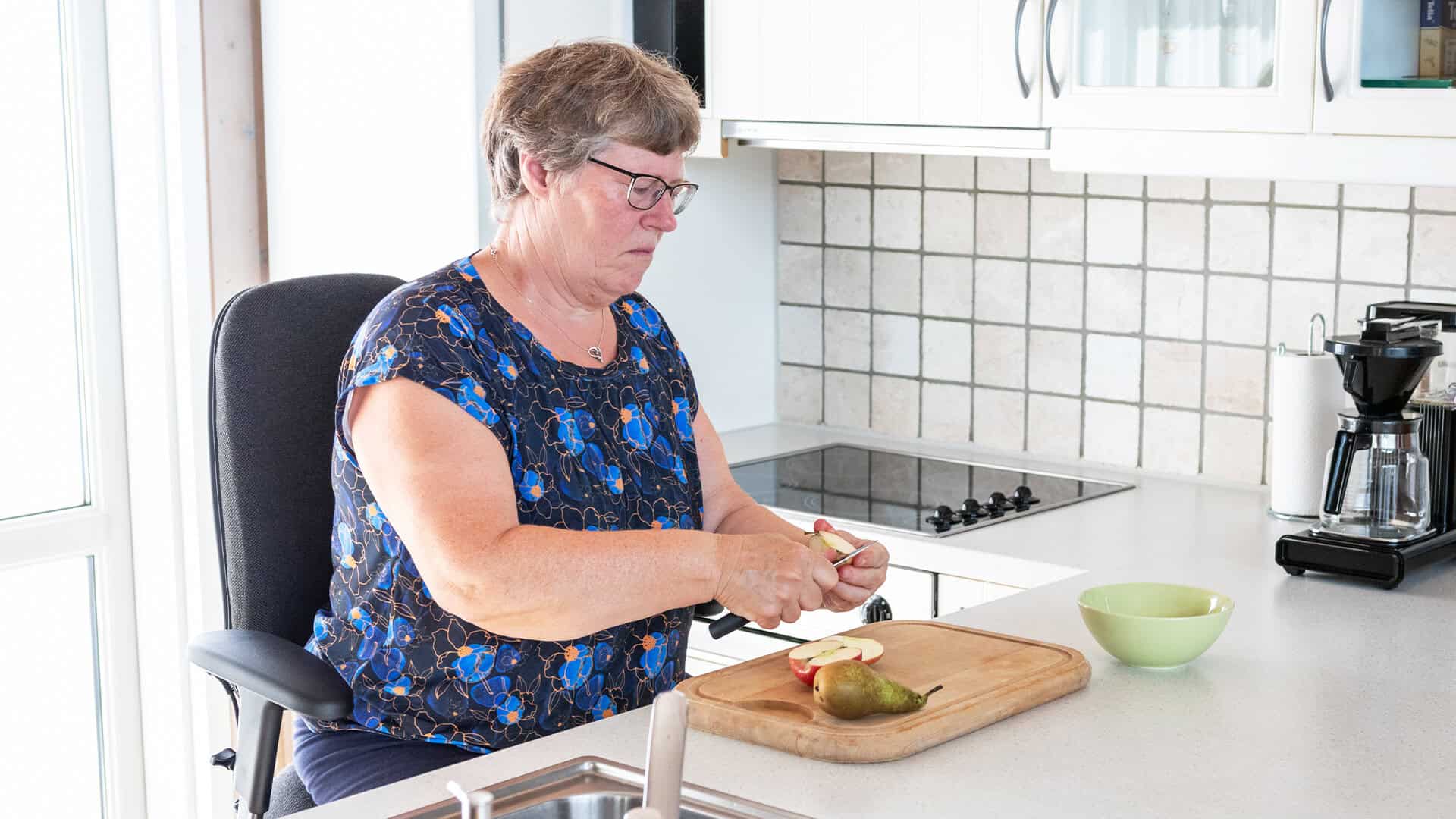
As seniors transition to assisted living, mobility and personal independence often present significant challenges. Innovative solutions like the VELA Independence Chair offer a way to address these issues, enabling seniors to remain active and safe in their environments. The VELA chair is a medically approved mobility chair intended for home use, offering enhanced safety, freedom of movement while seated, and support for daily activities like cooking, dressing, or transferring — all while easing the burden on informal caregivers.
Recent advances have expanded the range of mobility support available in Detroit. Facilities are adopting AI-driven mobility devices, robotics for daily functions, and advanced fall detection and prevention systems to maximize resident safety and independence.[1][7] Rehabilitation practices have also incorporated AI-guided and VR/AR systems, ensuring sessions remain adaptive and engaging. These advances deliver user-centered design and increase successful adoption among diverse user populations, enhancing both independence and well-being.
Exploring Alternatives to Nursing Homes
Exploring options beyond traditional assisted living, tools like the VELA Independence Chair help seniors maintain independence longer at home. With features like a central brake for safety and electric height adjustability, these chairs address common challenges such as fall prevention and energy conservation. Whether cooking, cleaning, or relaxing, the VELA chair empowers users to engage in daily activities safely and comfortably, potentially delaying the need for a nursing home. By facilitating ease of movement and providing support, this practical solution highlights benefits such as dignity, freedom, and enhanced safety, ensuring a higher quality of life. While not the only option, VELA represents a proven and effective strategy for aging with grace and autonomy at home.
Facility solutions have also expanded beyond physical products to include integrated telehealth services, remote monitoring systems powered by AI, and robust privacy safeguards. Expert and resident feedback emphasizes the importance of ease of use, device customization, and smart technology in supporting daily life, which together foster long-term satisfaction and safety.
References:
- Long Term Care 2026 Trends and Outlook.
- HDG Execs: These 6 Trends Could Reshape Senior Living in 2026.
- Trends to Watch: What’s Next for the Future of Senior Living.
- Senior Living Market Snapshots: Chicago, Columbus, Detroit.
- Five Senior Housing Trends Shaping the Industry in 2026.
- Michigan Department of Licensing and Regulatory Affairs. Assisted Living Regulations Michigan (2025).
- Michigan COVID-19 Residential Care Facility Requirements (2025).
- AssistedLiving.org: Michigan Assisted Living Staffing and Policies (2025).
- AHCA/NCAL 2025 State Assisted Living Regulatory Review.
- Medicaid Planning Assistance: Michigan Medicaid Eligibility (2025).
- MyFieldAudits.com – Assisted Living Facility State Regulations (2025).
- Medicaid Long Term Care Michigan: Eligibility Criteria (2025).
- A Place for Mom: Assisted Living Regulation Guide (2025).