

Updated February 2026: We have updated the article with the latest Massachusetts assisted living reforms following the Gabriel House fire, including new emergency preparedness rules, stronger staffing and resident assessment standards, facility transparency measures, and updates on Franklin’s accessible senior housing developments. Guidance now reflects the new compliance checks, nurse oversight requirements, and evolving eligibility for Senior Care Options programs.
Assisted Living in Franklin, MA: A Comprehensive Guide
Franklin, Massachusetts, boasts a variety of top-quality assisted living options. These communities are designed to provide seniors with the care they need while allowing them to maintain a level of independence. This guide offers a detailed look at the best assisted living communities, costs, financial options, and key considerations for those exploring senior care in Franklin.
Discovering Franklin’s Assisted Living Scene
When searching for “assisted living in Franklin, MA,” it’s important to consider Franklin County’s senior population, which comprises 23.93% of its residents—this is significantly higher than the national average, as noted by Neilsberg Insights. This demographic supports a robust elder care infrastructure, offering ample options for individuals exploring senior living solutions in the area.
Exploring Top Assisted Living Communities in Franklin
One of the premier options is Benchmark Senior Living at Forge Hill. This community is known for its dedication to high-quality care and a community-focused atmosphere. Located at 4 Forge Hill Road, Franklin, MA 02038, it features:
- Newly renovated spaces with luxurious amenities.
- Around-the-clock personalized, needs-based care.
- Opportunities for robust social engagement.
According to Benchmark Senior Living, the community is renowned for its award-winning service and specialized memory care. Families often praise the friendly, family-like environment.
Additional options include The Enclave of Franklin, situated at 656 King Street, Franklin, MA 02038. This community offers:
- Specialized memory care programming.
- A low-maintenance lifestyle.
- Proximity just 1.8 miles from Franklin’s city center.
For those considering independent living with supportive services, Magnolia Heights at 485 East Central St provides a vibrant environment with chef-prepared meals and social opportunities, ensuring a gracious retirement lifestyle source.
Understanding Costs and Financial Options for Assisted Living
The average monthly cost for assisted living in Franklin is approximately $6,863. This cost typically includes:
- Housing and meals.
- Housekeeping and maintenance.
- Personal care assistance.
- Social activities.
Costs may vary according to care level, apartment size, and specific amenities, with facilities offering multiple pricing models. It’s vital to explore financial assistance options when planning for long-term care needs, as emphasized by Senior Living. Please note that recent 2026 state updates may affect eligibility and funding for some Senior Care Options (SCO) programs. Families are encouraged to confirm with providers or the state regarding changes to financial aid, as additional requirements may now apply for certain assisted living funding options.OneWell
Regulatory Oversight and Quality Assurance in Franklin’s Assisted Living
Massachusetts maintains high standards for assisted living facilities through new and updated compliance reviews and emergency regulations. Following the findings of the Assisted Living Residence (ALR) Commission and the Gabriel House fire incident, the state has taken significant action to improve resident safety and quality of care. As of 2026, all facilities must now complete annual Fire and Life Safety documentation by July 1, 2026, implement updated emergency preparedness plans, and undergo compliance checks updated to January 1, 2027.Franklin ObserverWGBHMass.gov Facilities must also conduct standardized resident assessments every six months and ensure on-site oversight by a licensed nurse. New acuity-informed staffing models are due by July 1, 2027. Transparency requirements mean that families and the public can now access more detailed inspection and compliance reports by request.OneWell
Additional pending measures include legislative proposals for certified medication aides, a statewide ALR executive registry, modernized building codes, and the launch of an ALR Affordability Task Force—all aiming to improve both quality and access to assisted living across Massachusetts.McKnight’s Senior Living Families are advised to verify that a facility complies with the latest safety and oversight rules, including documented emergency drills and public inspection results.
Franklin is also making local progress in addressing affordable and accessible housing needs for seniors. The Franklin Ridge Senior Housing project, a 60-unit all-electric affordable complex with adaptive design features and solar backup, is scheduled to break ground in November 2025 and open by mid-2027. This project specifically serves adults 62 and older in need of accessible and sustainable housing.Franklin Observer These efforts support inclusive and independent living for Franklin’s seniors.
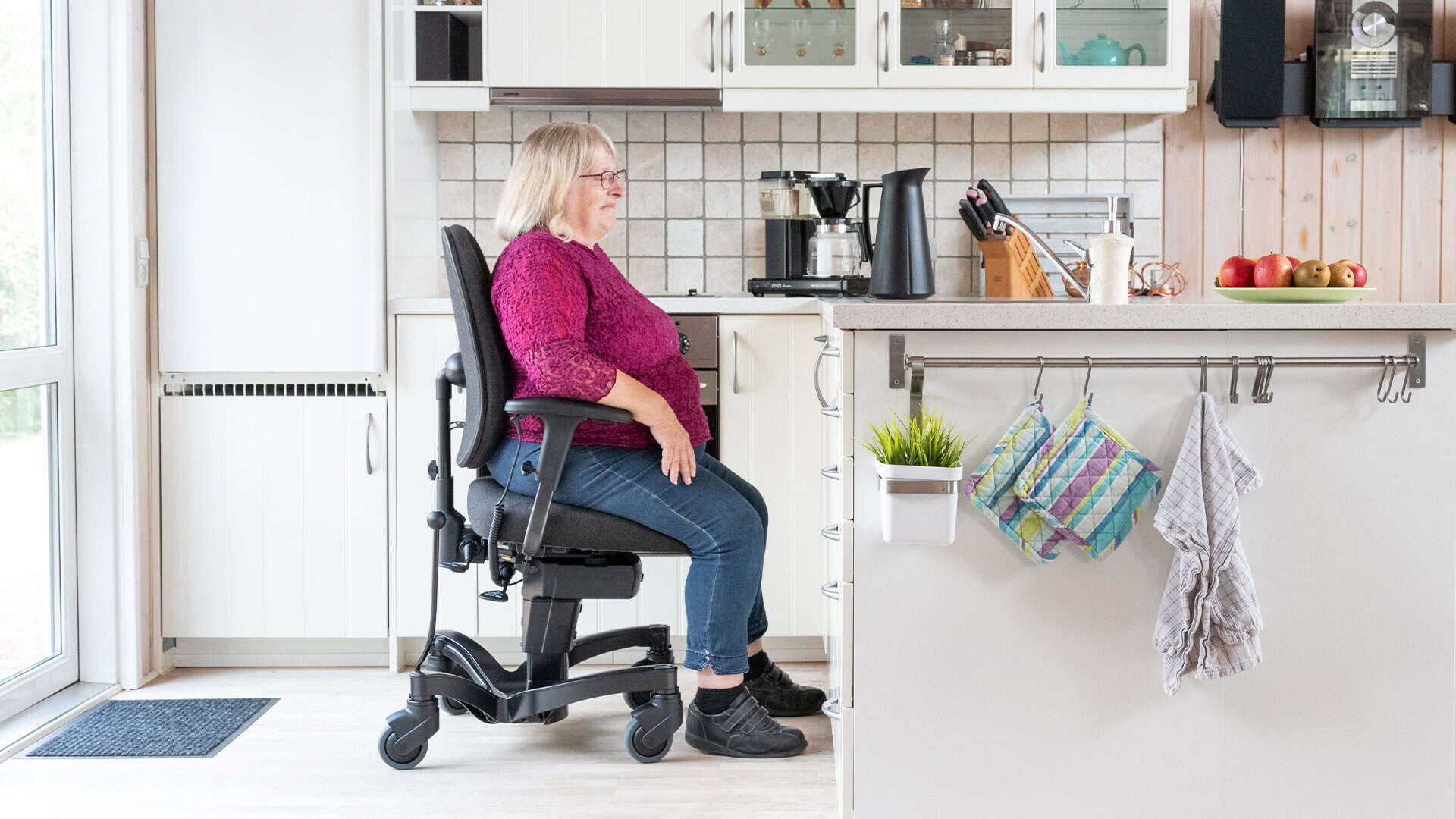
Maintaining mobility and independence is crucial as people age, and many seniors face the challenge of adapting to new physical limitations. While nursing homes provide essential support, many older adults prefer to remain in their own homes, where familiar surroundings and cherished independence can greatly enhance quality of life. Products like the VELA Independence Chair, a medically approved mobility chair, provide an effective solution by enhancing safety and supporting freedom of movement while seated. These chairs can assist with daily activities such as cooking, dressing, or transferring, reducing the load on informal caregivers who help loved ones maintain a level of independence.
Advances in Assistive Technology and Inclusive Design
Assistive technology for mobility is evolving rapidly, with new innovations offering seniors more independence, safety, and comfort than ever before. Recent developments include smart wheelchairs equipped with autonomous navigation powered by lidar sensors and mobile apps, allowing users to program destinations and avoid obstacles without hands-on operation PubMed Central (PMC) — Recent Trends in Assistive Technology for MobilityAbility Montana — Smart Wheelchairs and Funding. Integration of artificial intelligence (AI) into mobility devices is further enhancing obstacle detection, predictive routing, and personalization, marking a shift toward truly intelligent mobility aids Disabled But Not Really — The Future of Disability Innovation.
Other advances include wearable exoskeletons and functional electrical stimulation devices, particularly in rehabilitation settings, emphasizing seamless user-technology integration and improved control interfaces PubMed Central (PMC) — Recent Trends in Assistive Technology for Mobility. Smart features like pressure-sensing wheelchair seats now help automatically adjust seating for comfort and to assist with injury prevention Ability Montana — Smart Wheelchairs and Funding.
User-centered design is becoming a hallmark of product development. Ergonomic improvements aim to reduce user fatigue and risk of pressure injuries, while adaptive devices now fit a broader range of body types and abilities. Accessibility features are increasingly built into mainstream consumer electronics, expanding support for independent living through AI-powered apps and smart home systems Market.us Media — Assistive Technology Statistics 2025. According to the World Health Organization, assistive technology needs are rising significantly, underscoring the urgency for ongoing innovation and policy support World Health Organization (WHO) — Assistive Technology Fact Sheet.
Concluding Thoughts: Choosing the Right Assisted Living Community
Selecting the right assisted living community requires thorough research and careful consideration. Important factors include:
- Care level and evolving needs.
- Community atmosphere and features.
- Financial arrangements and potential aid.
Conducting community tours can provide valuable insights into environments, ranging from dining options to engagement opportunities. Resources such as A Place for Mom offer guidance for families, helping ensure a combination of support, independence, and comfort that elevates the quality of life for seniors.
In summary, Franklin offers a vibrant selection of senior living options marked by attentive care and a commitment to quality standards. By performing comprehensive evaluations, families can identify a nurturing environment that aligns with their loved ones’ needs and aspirations. As new state regulations come into effect, it is especially important to ask about facilities’ emergency preparedness documentation, current staffing models, and public compliance history.
Supporting Aging in Place: A Practical Option
For seniors who wish to age gracefully in their own homes, mobility solutions such as the VELA Independence Chair can be a game-changer. This innovative chair provides central brake systems for added safety and electric height adjustability to ease transitions. With features focused on reducing the energy needed for movement while seated, it not only helps prevent falls but also sustains dignity, freedom, and safety during daily activities. Whether it’s cooking, cleaning, or simply relaxing, having the right support can delay or even eliminate the need for a nursing home. While the VELA Chair is a proven option, other solutions may also cater to specific individual needs, ensuring an extended period of independence and comfort at home. Explore more about Mobility Aids for Independent Living and effective Preventing Falls in Assisted Living.
- Franklin Observer
- WGBH
- Mass.gov
- OneWell
- Franklin Observer
- McKnight’s Senior Living
- PubMed Central (PMC) — Recent Trends in Assistive Technology for Mobility
- Disabled But Not Really — The Future of Disability Innovation
- Ability Montana — Smart Wheelchairs and Funding
- Market.us Media — Assistive Technology Statistics 2025
- World Health Organization (WHO) — Assistive Technology Fact Sheet