

Updated February 2026: We have updated the article to reflect emerging trends in AI-powered and smart mobility devices, including autonomous wheelchairs, eco-friendly modular walkers, transfer aids such as WheelMove, and assistive technology advancements highlighted at CES 2026. New sections emphasize how these innovations increase independence, safety, and quality of life for seniors in La Mesa, and underscore the importance of consulting providers to match advanced devices to personalized needs.
Assisted Living in La Mesa: Meeting the Needs of a Growing Senior Community
Finding the right assisted living solutions in La Mesa involves considering both the unique needs of an aging population and the distinct characteristics of the local environment. La Mesa, where approximately 32% of the population is seniors, showcases a vibrant and growing community seeking optimal elder care. This city-specific focus is crucial, especially as projections from the Centers for Disease Control and Prevention (CDC) indicate that by 2030, one in five Americans will be 65 or older. According to Medicare.gov, assisted living offers essential daily support without the full-time medical care associated with nursing homes. In this exploration of “assisted living in La Mesa,” we’ll delve into what sets this area apart and how families can find their ideal care solutions.
Understanding Assisted Living in La Mesa: What Sets It Apart
Assisted living facilities provide seniors with a balanced environment where they can maintain independence while receiving help with daily activities such as personal care, medication management, and social engagement. La Mesa’s significant senior population drives the diverse options available, with facilities tailoring their services to meet the specific demographics and needs of the community. According to the National Institutes of Health (NIH), many residences offer a homelike setting, enhancing residents’ quality of life.
Recent advances in assistive technology now shape La Mesa’s assisted living environments more than ever. Following major announcements and demonstrations at CES 2026 and from leaders in the assistive device field, facilities are increasingly turning to smart mobility solutions and AI-powered devices. Innovations now include advanced AI-powered wheelchairs equipped with autonomous navigation and fall prediction features (such as LUCI add-ons, Robooter X40, and XSTO all-terrain models), as well as eco-friendly modular walkers and transfer aids like the new WheelMove wheelchair attachment. These options, along with smart canes with ergonomic designs and pressure monitoring tools, offer seniors increasing independence, safety, and ease of use. Systems like MaaS-Bridge are also seeing adoption for accessible transportation transitions, and SEERU for improved mobility awareness in traffic (AllSeniors.org, 2026; Mobility Management, 2026; Ability Montana, 2026).
For example, Betty’s story remains a testament to the transformative effect of personalized care in Westmont of La Mesa. Today, many residents like Betty leverage not only traditional supports and always-on AI assistants, but the latest smart wheelchairs with app-controlled features, predictive fall prevention, and AI-based navigation—enhancing safety and user satisfaction while reducing training and support demands for both seniors and caregivers. These advances are reflected in recent surveys where over 65% of seniors using such devices report better quality of life and greater independence (AllSeniors.org, 2026).
Key Demographics: Who are La Mesa’s Seniors?
La Mesa’s senior community is diverse, with a nearly even gender distribution of 52.1% female and 47.9% male. A significant portion of residents are in their 60s and 70s, dealing with typical age-related challenges such as arthritis and hypertension. Understanding these demographics, highlighted by data from the City of La Mesa and Data USA, is essential for facilities designing appropriate care programs. Socio-economic factors, including a median household income of $84,337 and a 46% homeownership rate, also influence the service offerings for this group.
As the population ages, adoption of emerging assistive technologies is expanding across this varied group. In 2026, devices frequently feature intuitive controls—voice commands, gesture, gaze, and multi-touch—catering to a broad spectrum of abilities and cognitive preferences. Immersive VR/AR tools for practicing daily living skills see increased deployment alongside eco-friendly, modular walkers and AI-integrated canes for users with physical and sensory disabilities. Modular wheelchair attachments, such as WheelMove, deliver significant improvements in mobility range and can be installed quickly on existing devices, making advanced technology more attainable to more seniors (Mobility Management, 2026; AllSeniors.org, 2026; Ability Montana, 2026).
How to Choose the Right Assisted Living Facility
Selecting an assisted living facility requires careful consideration of several factors, including location, range of services, staff qualifications, and compliance with legal standards from the California Department of Social Services. Facilities like Grossmont Gardens are praised for their personalized care plans, which emphasize both the residents’ social well-being and physical health. For example, Grossmont Gardens’ proactive approach involves tailored activity schedules that encourage social interaction and physical activity, aligning with the preferences of La Mesa’s elderly.
The latest innovations—such as AI-enabled wheelchairs with autonomous navigation, smart canes with real-time feedback, eco-friendly modular walkers, advanced transfer aids, and shared-control prosthetics—are increasingly considered in contemporary facilities. Modular, eco-conscious designs and app-based controls are widely available; for instance, the 2026 WheelMove attachment enables long-range outings for users of manual wheelchairs, supporting outdoor activities and enhancing independence. Systems like MaaS-Bridge now help facilitate smoother transitions between personal and accessible public transport, further reducing barriers in and around assisted living communities (Mobility Management, 2026; AllSeniors.org, 2026).
Inclusive, user-centered design—co-developed with people with disabilities—remains the industry standard. There is an increased emphasis on consulting providers and mobility specialists to help families and seniors select insurance-covered “Durable Medical Equipment” that matches their personalized needs, including multi-functional and all-terrain options for outdoor activities. Global policy and regulatory frameworks continue to advance accessibility incorporation into mainstream technology, a trend underscored at events like CES 2026 (Mobility Management, 2026).
Costs, Amenities, and Financial Assistance Options
In La Mesa, the cost of assisted living typically ranges from $4,000 to $7,200 per month, which aligns with the averages seen across San Diego County. Financial assistance options are available to make quality care accessible, as detailed by SeniorLiving.org. These options include veterans’ benefits, long-term care insurance, and state-funded programs that can help manage costs. John’s experience, for instance, illustrates the practical benefits of such assistance; with financial aid, he was able to remain at a facility that met his specific care needs and personal preferences.
Expanded funding for inclusive product design and advanced device adoption now helps cover smart wheelchairs, modular walker systems, AI-enhanced transfer aids, and immersive rehabilitation platforms. Support is available via grants, foundation support, and insurance programs for certified Durable Medical Equipment (DME). Consulting with a professional is recommended to ensure an optimal match between user ability, lifestyle goals, and technological options (AllSeniors.org, 2026).
Tailored Care for La Mesa’s Seniors: Finding the Right Fit
The distinctive offerings of “assisted living in La Mesa” provide a rich landscape of possibilities, blending comprehensive care options with cultural and demographic alignment. This highlights the importance of individualized care plans and consistent staff training, as emphasized by the Journal of the American Medical Directors Association (JAMDA, 2023). Seniors in La Mesa can access various services aimed at enhancing their quality of life and promoting community involvement.
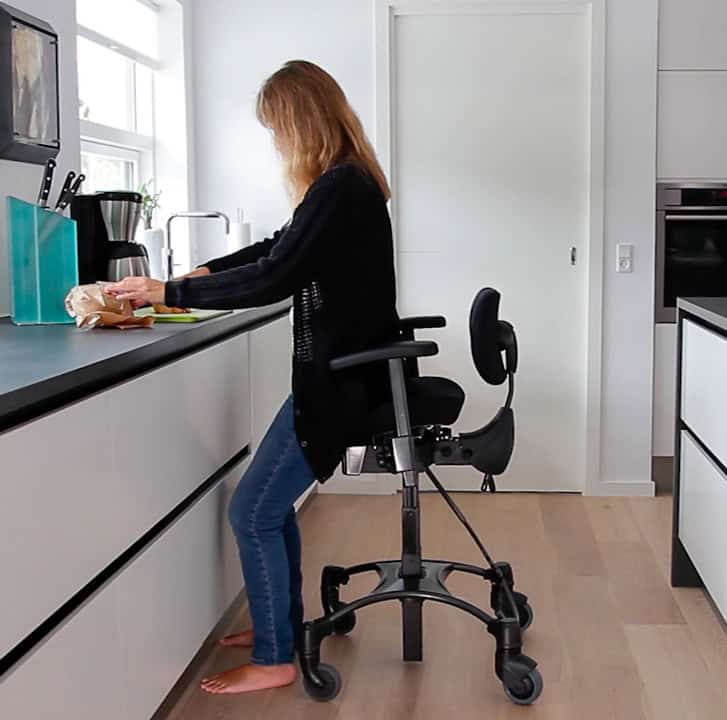
Seniors considering their options beyond nursing homes may find peace with solutions that allow for continued independence at home. A thriving home environment, supported by appropriate mobility aids, can reduce the need for full-time care, allowing elderly individuals to remain in familiar surroundings longer. The VELA Independence Chair offers such a solution, being a medically approved mobility chair destined for use at home. It enhances safety through features like a central brake, offers freedom of movement thanks to electric height adjustability, and supports daily activities such as cooking, dressing, or transferring, while simultaneously easing the load on informal caregivers.
Alongside seating, 2026 introduces greater availability for robotic transfer and self-feeding aids, AI-based mobility awareness systems (SEERU), and quick-install, long-range modular wheelchair attachments. Smart canes, app-controlled folding wheelchairs, and eco-friendly walker designs—all described as Durable Medical Equipment—are reimbursable for many users and provide both ergonomic and environmental benefits. Studies and field demonstrations indicate highest satisfaction when devices are matched through professional assessment, reflecting the shift toward personalized, multi-functional tech (AllSeniors.org, 2026; Mobility Management, 2026).
Supporting Aging in Place: A Practical Option
Life at home for seniors can be significantly enriched with the right support systems in place. Chairs designed for elderly independence like the VELA Independence Chair are crucial in this context. This innovative seating solution addresses safety concerns with features such as a central braking system, ensuring stability during use. The chair’s electric height adjustability allows seniors to perform daily tasks with ease, potentially delaying the progression towards more intensive assisted living options. This means elderly individuals can maintain their dignity and freedom while savoring the comfort and familiarity of their own homes.
Beyond merely enhancing home life, VELA can reduce the pressure on family members acting as caregivers by facilitating safer and more comfortable movement around the home. While VELA is among several available seating options, its well-received ergonomic design provides practical support to those managing age-related mobility challenges. The arrival of AI-enhanced navigation systems, modular walker upgrades, and all-terrain wheelchair solutions now add further support options, helping families and seniors explore strategies that extend safe, happy, and independent living at home (AllSeniors.org, 2026).
In summary, La Mesa’s seniors benefit from the rapid infusion of AI-driven mobility devices, modular eco-friendly designs, new transfer aids, and a user-centered mindset—making both assisted living and aging at home more accessible and rewarding. The latest 2026 innovations empower more seniors to achieve meaningful improvements in autonomy, safety, and daily satisfaction, whether in a dedicated facility or in the comfort of home.
- CES 2026: 4 Assistive Technology Exhibitors to Watch (Mobility Management) – Details WheelMove, MaaS-Bridge, SEERU, and XSTO AI power chairs.
- Top Mobility Aids Boosting Senior Independence and Safety in 2026 (AllSeniors.org) – Covers smart devices, eco-designs, and transfer aids for seniors.
- Exciting Assistive Technology for People with Disabilities (AbilityMT.org) – Profiles smart wheelchairs (LUCI, Robooter X40) and AI navigation.