

Updated February 2026: We have updated the article with the latest advancements in affordable, smart assistive technologies such as AI-driven mobility aids, smart canes, exoskeletons, and telehealth-integrated devices. Details on modern fall prevention, app-based controls, ergonomics, and new accessible transport options in Monroe are now included, along with updated insurance and sustainability information.
Affordable and Supportive Assisted Living in Monroe, LA
Assisted living options in Monroe, Louisiana offer a robust mix of affordability, quality care, and regulatory compliance that make them an attractive choice for seniors and their families. According to the Louisiana Department of Health, Monroe’s average assisted living cost stands at $3,433 per month, notably lower than the state average. This article delves into what makes assisted living in Monroe a compelling option, from the unique care needs of local seniors to the leading facilities and modern mobility aids enhancing resident independence.
Understanding Assisted Living in Monroe, LA
Assisted living provides a structured environment where seniors receive the daily support they need while maintaining a level of independence. It is distinct from nursing homes, which cater to those requiring constant medical supervision, and home care, which generally involves in-home services for those who prefer staying in familiar surroundings. In Monroe, the transition from home to assisted living often becomes essential when seniors face challenges with mobility, medication management, or daily activity assistance. Insights from A Place for Mom emphasize the adaptable, community-focused environment offered at Monroe’s facilities, creating a home-like setting that is less medicalized than nursing homes.
Demographics and Care Needs of Monroe’s Seniors
Monroe’s senior demographic consists of individuals who often face mobility issues, cognitive changes, and chronic health conditions. According to Louisiana Demographics, seniors aged 65 and above constitute around 13% of Monroe’s population. These individuals frequently require support for activities of daily living (ADLs) as well as specialized memory care. Case studies from local facilities demonstrate how personalized care plans address specific health needs and facilitate social engagement, contributing to an enhanced quality of life.
Cost of Assisted Living and Funding Options
In Monroe, the cost of assisted living is competitively positioned at an average of $3,433 per month, as highlighted in Paying for Senior Care. This affordability is significant considering the city’s socio-economic landscape, where some families struggle to meet senior care expenses. Fortunately, funding options are available, including Medicaid, Veterans Affairs (VA) benefits, and state aid programs, which can often bridge financial gaps for many families. Real-world scenarios depict families successfully utilizing these aids to ensure their loved ones receive appropriate care without financial strain. New trends in insurance-funded upgrades now also cover smart assistive technology add-ons, such as AI-based wheelchair controls and advanced safety sensors, helping to lower long-term care costs and improve daily living (AllSeniors.org).
Leading Assisted Living Facilities in Monroe
Several top-rated assisted living communities in Monroe shine with their unique offerings. Azalea Estates, Amera West Monroe Senior Living, and Savannah Grand of West Monroe come highly recommended. According to reviews on Caring.com and Family Assets, these facilities are praised for their welcoming environments, attentive staff, and diverse activity programs. Pet-friendly policies and proximity to medical centers further enhance their appeal. Testimonials from families frequently cite the peace of mind and enhanced well-being their loved ones experience as key reasons for their satisfaction with these communities.
Enhancing Independence with Modern Mobility Aids
For many seniors, one of the major challenges of traditional assisted living or nursing home settings is the potential loss of independence. Building on recent advancements, assisted living facilities in Monroe and beyond are increasingly integrating cutting-edge mobility aids. Innovations unveiled for 2026 include electric and hybrid walkers, AI-powered smart canes with obstacle detection, wheelchairs with autonomous navigation (such as WheelMove and Robooter X40), and all-terrain power chairs featured at recent industry events (Mobility Management). These devices enhance user autonomy and safety with features like real-time health monitoring, fall prediction alerts, and even voice control for hands-free operation (AllSeniors.org).
Integration with remote health consultations and telehealth for therapy and medication management is becoming routine, supporting greater independence both in facilities and at home and reducing reliance on caregivers and hospital visits (AllSeniors.org). Ergonomic and adaptive tool designs help people with arthritis or limited dexterity use equipment more easily. New options include app-customizable controls, centralized braking, and eco-friendly, sustainable devices (AbilityMT.org).
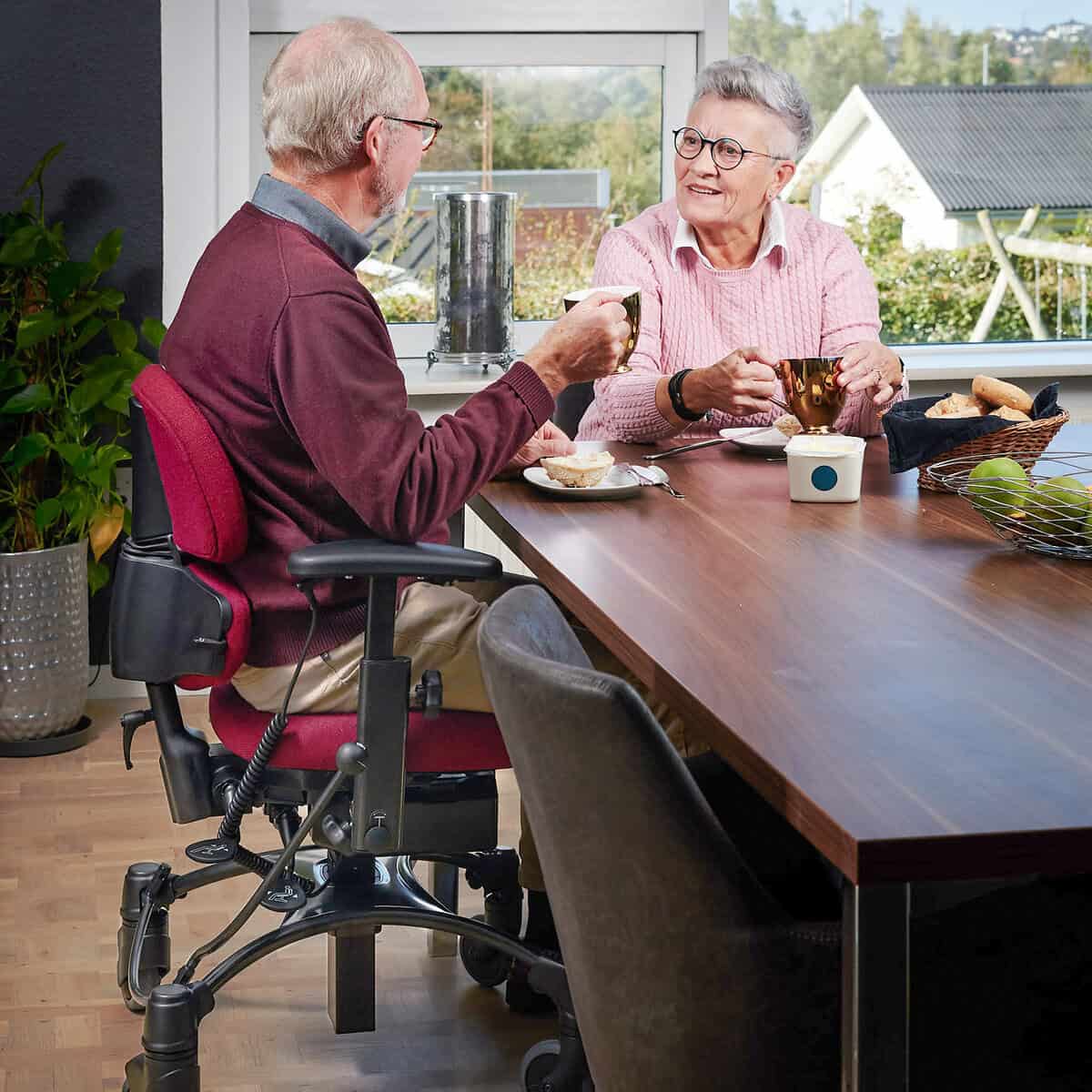
An example of innovative mobility solutions is the use of VELA chairs, which are medically approved and designed for home use. These chairs provide enhanced safety and freedom of movement while seated, supporting daily activities such as cooking, dressing, or transferring. Innovations in ergonomic design now incorporate smarter controls and advanced safety features, further reducing the risk of falls and injuries for seniors and easing the burden on caregivers.
Supporting Aging in Place: A Practical Option
Assisted living alternatives like the VELA Chair distinctly support the concept of aging in place. Alongside these alternatives, recent trends reflect the adoption of smart home technologies, remote health monitoring, and telehealth services to maintain well-being and reduce the need for in-person visits (AllSeniors.org). These approaches enable seniors to maintain independence through features such as centralized brakes for safety, electric height adjustability for effortless transfers, and ease of movement while seated. Wearable health monitors and predictive analytics further support early intervention and reduce emergency incidents.
Rehabilitation and care practices are also evolving through the integration of AI and robotics, including exoskeletons and adaptive prosthetics, as well as brain-computer interfaces for intuitive device control. New autonomous transport solutions (such as Mobility-as-a-Service bridges now piloted in Louisiana) improve accessible travel for seniors, making daily outings safer and more feasible. While VELA chairs remain a practical solution, broader adoption of smart, ergonomic, and sustainable technologies offers expanded avenues for prolonging self-reliance and dignity for seniors in Monroe and beyond.
References
- Louisiana Department of Health
- A Place for Mom
- Louisiana Demographics
- Paying for Senior Care
- Caring.com
- Family Assets
- VELA chairs
- WHO: Assistive Technology
- PMC: Assistive Technologies for Individuals with a Disability from a Neurological Perspective
- HealthDimensions Group: 2025 Top Trends in Aging Services
- AllSeniors.org: 2026 Durable Medical Equipment Trends for Elderly and Caregivers
- AllSeniors.org: How Smart Tech is Revolutionizing Senior Community Living in 2026
- AbilityMT.org: Exciting Assistive Technology for People with Disabilities
- Mobility Management: CES 2026 Assistive Technology Exhibitors
- Accessibility Innovations: Assistive Technology for Physical Disabilities