

Updated September 2025: We have updated the article to include new advancements in AI-powered assistive devices, brain-computer interface prosthetics, smart wheelchairs, hands-free input technologies, and integrated AI assistants for assisted living. The article now reflects recent trends in aging-in-place solutions, regulatory updates, and the growing adoption of innovative mobility and accessibility tools.
Summing Up Senior Living Choices in Orland Park
Orland Park is a charming village in Illinois, well-known for its rich cultural heritage, numerous parks, and vibrant communities. With a significant proportion of its population aged 60 and above, Orland Park has become a vital hub for senior care, particularly when it comes to assisted living options. This guide will help you navigate the essentials of choosing the right assisted living facility in this picturesque area.
Overview of Assisted Living in Orland Park
Assisted living communities provide an ideal blend of hospitality and healthcare, allowing seniors to receive the necessary support for daily activities while promoting independence. The affluent nature of Orland Park, with its median household income of $98,979, highlights its capacity to support high-quality senior care facilities. According to Data USA, the demographic profile of Orland Park’s residents makes it an ideal location for top-tier assisted living services. Residents benefit from personalized care plans catering to their unique needs and preferences, creating a fulfilling and enjoyable day-to-day life.
Demographic Trends Influencing Senior Living Options
The demand for assisted living in Orland Park is rising, with 15.5% of its population in their 60s and many more entering their senior years. The area’s socio-economic status, as detailed in CMAP, influences the range of services and amenities available. Facilities often cater to both basic needs and luxurious preferences, creating a comprehensive environment for care and engagement. Real-life examples frequently depict seniors transitioning from independent living to assisted facilities, illustrating the profound impact of social engagement and healthcare support in their lives.
Regulatory Standards and Resident Protection in Illinois
Regulation and safety are crucial in ensuring the welfare of seniors in assisted living facilities. The Illinois Department of Public Health mandates that all facilities are licensed and subjected to regular inspections. According to IDPH, these stringent regulations ensure that facilities maintain high standards for medication management, staff training, and safety protocols. Many facilities strive to exceed these standards, significantly enhancing resident safety and satisfaction. Recent regulatory updates reflect ongoing adaptations post-pandemic, with measures to accelerate approvals and improve technology accessibility, supporting continuous service and innovation in assisted living environments.[3][7]
Innovations in Elderly Mobility: VELA Chairs and Adaptive Equipment
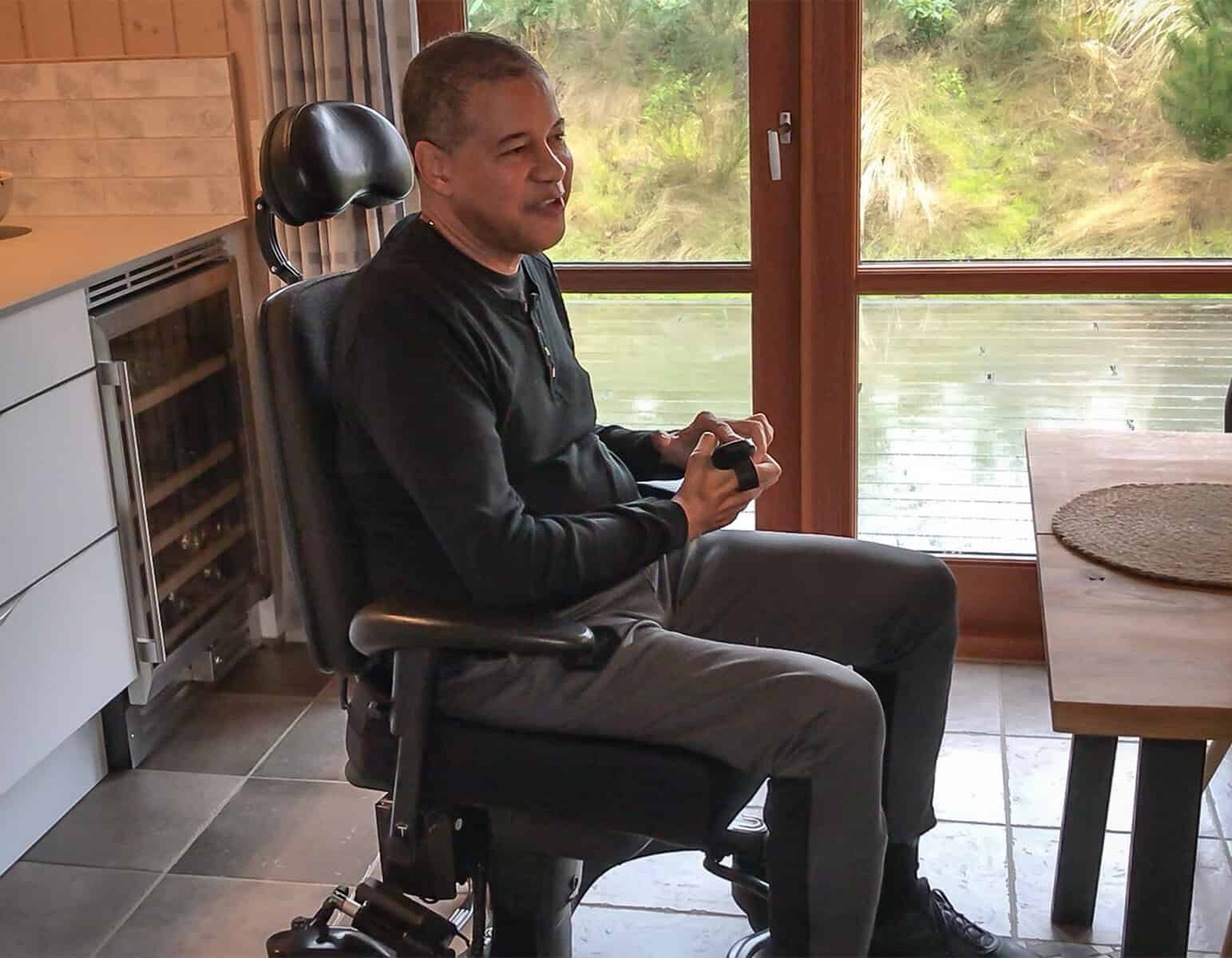
As seniors and their families navigate the complexities of assisted living options, many encounter common challenges like maintaining independence and reducing caregiver load. Enhanced mobility at home can be crucial in delaying or even avoiding the need for nursing homes. Here, innovative solutions like the VELA Independence Chair play a pivotal role. This medically approved mobility chair is designed for home use, offering enhanced safety with features like a central brake, electric height adjustability, and support for daily activities such as cooking, dressing, or transferring. By facilitating freedom of movement while seated, it helps diminish the physical demands placed on informal caregivers.
Beyond traditional mobility aids, 2025 has seen major advancements in assistive technology. AI-powered devices such as smart glasses enable real-time object recognition and navigation assistance for those with visual impairments, while brain-computer interface prosthetics allow for more intuitive and natural limb movement through direct thought control.[1][4][5][7] Smart wheelchairs now feature automation and self-driving capabilities, including options to retrofit existing wheelchairs with intelligent navigation systems, enhancing user autonomy and safety.[1][2][8] Wearables like the Ara cane use environmental sensors and haptic feedback to alert users to obstacles, improving mobility and hazard awareness.
Additionally, hands-free input devices, such as the GlassOuse mouse, provide environmental and computer control for individuals with limited hand mobility, allowing interaction through head or facial motions.[4][6] Integrated AI assistants are also being incorporated into devices, enabling seamless, voice-driven support for everyday tasks and information needs.[5]
Top Assisted Living Providers: Features, Costs, and Real Resident Feedback
Orland Park offers a diverse range of assisted living options, allowing families and seniors to choose facilities that best meet their needs. Providers such as Heartis Village Orland Park and Brookdale Orland Park are renowned for their comprehensive services, which include meal preparation, personal care, and community engagement. According to A Place for Mom, the average cost of assisted living in Orland Park is approximately $5,465 per month, covering accommodations, meals, and a variety of activities. These facilities prioritize not only the physical well-being of residents but also their emotional and social wellness through various programs and activities.
Choosing the right assisted living facility is a crucial decision. In Orland Park, seniors and their families can take comfort in the robust options available, ensuring a comfortable and engaging environment. With comprehensive care options, stringent safety standards, and innovative mobility solutions like VELA chairs, seniors can enjoy a vibrant community life in a secure and supportive setting. The latest trends also show an increasing acceptance of AI-driven and integrated assistive solutions, shaped by positive user feedback and successful adoption across care settings.[3][7] For further recommendations on senior home care, you can refer to Senior Living, which provides authoritative insights into the best choices available.
Staying Independent at Home with Support
For seniors aiming to remain in their homes while retaining their independence, VELA Chairs offer a solution. By integrating smart seating solutions, individuals can experience notable benefits such as enhanced safety and decreased risk of falls due to the chair’s central brake feature. Electric height adjustability allows for easier transitions and less strain when moving from sitting to standing positions. In everyday life, a VELA Chair can transform the mundane tasks of cooking, cleaning, and even relaxing by providing support and stability, thereby ensuring dignity, safety, and energy conservation. Such innovations can prolong the period of independent living, delay the need for nursing home admissions, and lighten the load on caregivers.
The landscape of aging-in-place is also evolving with new technologies such as remote health monitoring, fall detection, medication management applications, and adaptive furniture, all of which are increasingly intertwined with assistive mobility frameworks.[3] These tools, coupled with recent health policy shifts, make it easier for seniors to manage health and safety at home and in assisted living environments. While VELA is not the only product available, it stands as a proven and practical option in the realm of assisted mobility solutions.
[1] ThinkBeyondTheChair.org, “The Best Assistive Tech Gadgets in 2025”
[2] PubMed (PMC), Cowan RE, “Recent trends in assistive technology for mobility”
[3] Cognitive Market Research, “Assistive Technology Market Report 2025”
[4] FocusCare.com.au, “Top New Assistive Technologies for 2024”
[5] LetsEnvision.com, “The Future of Assistive Technology & AI Assistants 2025”
[6] EqualAccessibility.co, “Innovations In Assistive Technology”
[7] Market.US Media, “Assistive Technology Statistics and Facts (2025)”
[8] AbilityMT.org, “Exciting Assistive Technology for People with Disabilities”