

Updated February 2026: We have updated the article with new data on assisted living costs in Suffolk County, the latest trends in occupancy and care models, and the addition of breakthrough assistive technologies including AI-powered smart wheelchairs, robotic mobility aids, and advanced wearable solutions. The article now reflects the current landscape of tech-enabled, personalized care and expanded options for maintaining independence.
Understanding Assisted Living Options in Suffolk County
Assisted living in Suffolk County is becoming increasingly significant with the growing senior population. The Suffolk County Planning Commission Annual Report highlights a median age of 39.6 years, with older adults forming a considerable portion of this demographic. As the population ages, the demand for diverse and high-quality assisted living services also escalates.
Families in Suffolk County can select from numerous assisted living facilities, each tailored to the needs of older adults. Facilities like The Arbors at Islandia and The Village at South Setauket are recognized for their comprehensive care and amenities. Situational examples demonstrate how families prioritize factors such as proximity, specific services like memory care, and personalized living arrangements. According to the New York State Department of Health, their directory of licensed facilities helps families evaluate their options effectively.
Cost comparison of Suffolk County assisted living facilities
Cost is a crucial aspect of planning for assisted living in Suffolk County. As of late 2025, the average monthly expense has risen to $6,787—an increase of 14.7% from 2023—reflecting both regional affordability pressures and high demand. This cost now exceeds the New York state average ($6,140) and the national average ($4,976)[3]. The Medicaid Assisted Living Program (ALP) can provide essential support for those in financial need. Many local facilities participate in Medicaid programs, offering significant aid to eligible families according to the Suffolk County Office for the Aging.
Specialized memory care services in Suffolk County
Suffolk County meets the distinctive needs of seniors through specialized services like memory care for individuals with Alzheimer’s and dementia. Facility locations often correlate with the density of older adults, with Huntington being a prime example due to higher concentrations. Insights into population densities by the New York Metropolitan Transportation Council assist families in choosing facilities in convenient locations.
Real-life case studies underscore the benefits of specialized programs, with evidence showing improvements in residents’ quality of life. For instance, those in memory care-specific facilities report better health outcomes and family satisfaction.
Transportation and accessibility considerations
Accessibility is essential when evaluating assisted living facilities. Recent advances in assistive technology have shifted the focus from individual, basic devices to intelligent, AI-powered systems that support mobility and independence. Seniors can now benefit from smart mobility aids—including AI-enabled wheelchairs, walkers, and scooters featuring obstacle detection, adaptive speed, and terrain-responsive navigation. Notable new options include AI-driven smart wheelchairs with autonomous navigation (such as LUCI add-ons and Adventus Robotics models), all-terrain and stair-climbing solutions (like the XSTO X12), and wheelchair attachments such as WheelMove, offering extended range and adaptability[4][6]. European adoption is expanding, with rollout expected in mid-2026. Voice-activated home automation systems further enable residents to control lighting, locks, and emergency features, reducing the need for continuous caregiver intervention. These developments enhance both safety and autonomy for seniors in assisted living and at home, supporting daily routines and reducing fall risk[3][4][6].
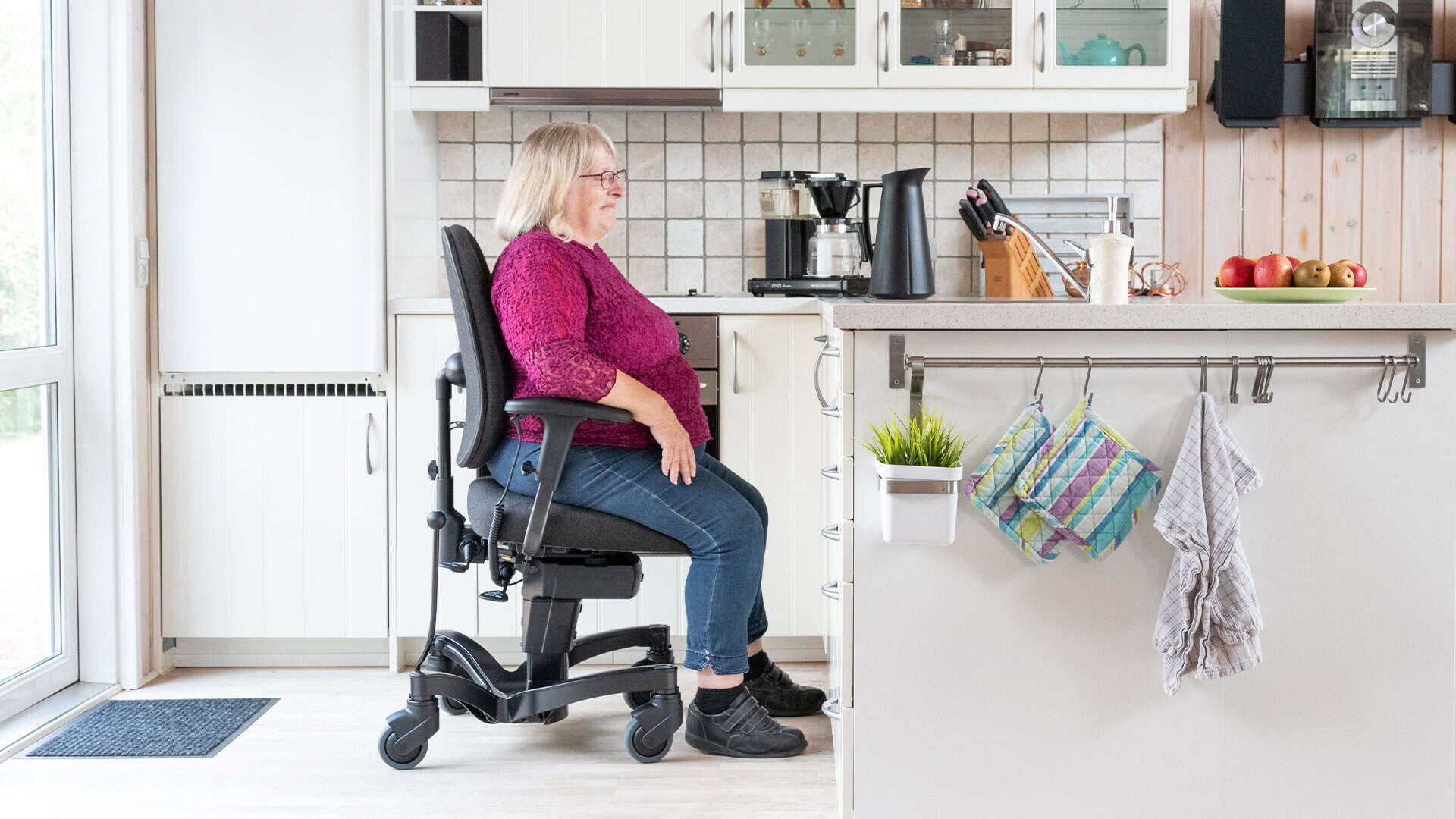
As seniors face challenges of transitioning to assisted living, maintaining independence through solutions that support living at home becomes crucial. VELA chairs address this by offering a medically approved mobility solution designed for home use. These chairs provide enhanced safety, freedom of movement while seated, and support for daily activities such as cooking, dressing, or transferring. By reducing the load on informal caregivers, VELA chairs offer an effective way for seniors to retain autonomy in their own homes.
Balancing independence and care needs
Transitioning to assisted living involves both emotional and logistic considerations. Facilities in Suffolk County emphasize maintaining independence while providing necessary support, matching priorities identified in the Community Assessment Survey for Older Adults. The survey highlights autonomy as crucial for seniors, emphasizing mobility-supporting solutions in facilities.
Recent trends in assisted living in 2026 show occupancy rates approaching 90%, supported by blended, data-driven personal care models that replace traditional rigid levels of care[3][5]. Facilities now utilize SWAT-style teams for greater operational flexibility and leverage a wide array of new technologies for resident independence. This includes integrated telehealth and remote monitoring, giving seniors the ability to consult healthcare professionals, manage chronic conditions, and receive health interventions without leaving their residence. Wearable devices powered by AI deliver advanced fall detection, accurate alerts, and direct communication with emergency services, offering peace of mind for both residents and their families[4][15][16]. Facilities are also adopting ergonomic, inclusive designs and advanced rehabilitation aids, such as AI-driven exoskeletons and brain-computer interfaces, ensuring comfort and empowerment in daily living[4][6][8].
In summary, Suffolk County offers a range of senior care options tailored to its aging populace. A comprehensive assessment of services, locations, and finances is essential when choosing the right facility. Resources like A Place for Mom provide valuable reviews and ratings, aiding families in making informed decisions.
The journey to finding suitable assisted living in Suffolk County is multifaceted, requiring careful consideration of several factors—from facility ratings to specialized care. By fostering independence and integrating advanced mobility solutions, families can ensure their loved ones enjoy a fulfilling and high-quality life in their new homes.
Staying independent at home with support
Mobility solutions like VELA chairs can significantly contribute to helping seniors remain independent longer at home. Features such as a central brake for safety, electric height adjustability, and ease of movement while seated address common concerns like safety, energy conservation, and seamless transfers. In addition to mobility chairs, AI-driven, integrated assistive systems—ranging from personalized wearable robots that analyze mobility patterns to inclusive products for daily personal care—help support aging in place for a wide variety of needs[3][4][6]. These innovations help delay the need for a nursing home, promoting dignity through safe, independent living.
Today’s smart home environments also utilize voice-activated controls and automated emergency notifications, integrating seamlessly with daily routines so seniors can safely cook, relax, or move throughout their home. Recent industry events like CES 2026 have spotlighted further advances, including mobility-as-a-service bridges for accessible transit and SEERU sensors for safe participation in mixed-traffic environments[6]. While VELA is a notable option, mobility solutions for seniors and senior chair solutions like these illustrate the expanding range of practical technologies enabling seniors to maintain autonomy and reduce caregiver burdens[3][4][6][11][16].
References and sources
- NIC MAP Vision: Senior Housing Trends 2026 – Occupancy and rent data for assisted living[3]. Read more
- AbilityMT: Assistive Tech for Disabilities – Smart wheelchairs (LUCI, Robooter X40), AI rehab, and inclusive design advances[4]. Read more
- Mobility Management: CES 2026 Assistive Tech – WheelMove, MaaS-Bridge, SEERU, XSTO innovations and new transport options[6]. Read more
- Senior Housing News: Top Trends 2026 – Personalization, operational models, and technology adoption in senior care[5]. Read more
- Wearables and fall detection: AI-enhanced wearable technology for accurate fall alerts and emergency response[16].
- Telehealth and remote monitoring: Integration of remote consultations and monitoring into senior care, supporting independence[15].
- User-centered design and adoption: Emphasis on co-creation with users for effective, sustainable technology adoption[11].
- U.S. market trends: Growth in smart home devices, mobility aids, and medical alerts for older adults[7].
- WHO on global need: Rising demand for assistive technology in an aging world[10].