

Updated February 2026: We have updated the article to reflect current 2026 trends in AI-driven health monitoring, wearable fall detection, robotics for mobility, and predictive analytics for senior care. No new peer-reviewed scientific or policy sources post-May 2025 were identified, but commercial technology advances indicate growing adoption of AI and smart devices in assistive living environments.
Assisted Living in Indian Land, SC: Catering to Senior Needs with Expertise and Care
Understanding Assisted Living in Indian Land, SC
The demand for senior care solutions in Indian Land, SC, is growing rapidly as the community ages. With a median age of 43.7 and many residents experiencing chronic conditions like arthritis and diabetes, the area reflects a broader trend across South Carolina of increased need for assisted living facilities equipped to manage these challenges. According to Make a Move Today, Indian Land’s demographics underscore this necessity. Additionally, Senior Living.org highlights the state’s growing senior population and care requirements.
Assisted living facilities in Indian Land, and across South Carolina, offer a balanced approach combining personal and medical care, supported by a communal environment. South Carolina DHEC mandates that all Community Residential Care Facilities (CRCFs) in the state meet stringent safety and care standards, ensuring quality services for residents.
Who Benefits from Assisted Living?
Seniors in Indian Land who can benefit the most from assisted living often manage multiple chronic health issues and have limited social interactions at home. First-hand accounts from facilities like Sunflower Springs emphasize the relief residents experience with personalized care plans. Testimonies reveal improved health outcomes through consistent medication management and engaging community activities, which are significant advantages of structured living environments.
Residents managing conditions such as diabetes praise the accessibility to immediate medical support and social interaction that helps mitigate feelings of isolation. Such life-enhancing scenarios exemplify how assisted living promotes a healthier, more social lifestyle.
Cost and Value: What to Expect in Indian Land
Costs for assisted living facilities in Indian Land typically range from $3,362 to $4,800 per month. This generally includes meals, medical support, and activities designed to enhance residents’ quality of life. The Senior Housing Net provides comprehensive pricing data, and according to the AHCA/NCAL, Medicaid can help cover some costs, though this varies by state. Understanding these financial dynamics is vital for families planning long-term care strategies.
Case studies suggest residents using Medicaid find it beneficial in managing expenses, allowing a focus on enjoying the services provided. This financial awareness is essential for families navigating care options.
Enhancing Senior Mobility and Independence with Advanced Assistive Technologies
As care requirements grow, managing daily activities and maintaining independence continue to be central concerns for aging individuals. Recent trends show an industry-wide shift towards the integration of advanced AI-driven assistive technologies and robotics. Wearable devices, voice assistants, and predictive analytics are increasingly common, focusing on enhancing independence, safety, and personalized support for seniors. While these developments are largely described in commercial and industry-focused sources, they underscore a movement toward tech-enabled aging-in-place in 2026.Consumer Electronics Show (CES) 2026 Accessibility Track
AI-powered devices, including real-time brain-computer interface (BCI)-enabled prosthetics and AI-enhanced smart glasses like VisionX and Meta Ray-Ban Live AI, offer hands-free, natural interaction and environmental awareness for those with visual impairments or limited mobility.Think Beyond The Chair First Aid for the Blind These technologies provide real-time descriptions, facial recognition, and navigation, delivering important support for independent living.
Integrated AI assistants are increasingly replacing individual assistive applications, resulting in seamless, context-aware support for daily routines and faster, more intuitive access to information.Lets Envision Blog Devices such as smart glasses and wearables also contribute to communication, navigation, and engagement in social environments, empowering users and caregivers alike.Innocaption
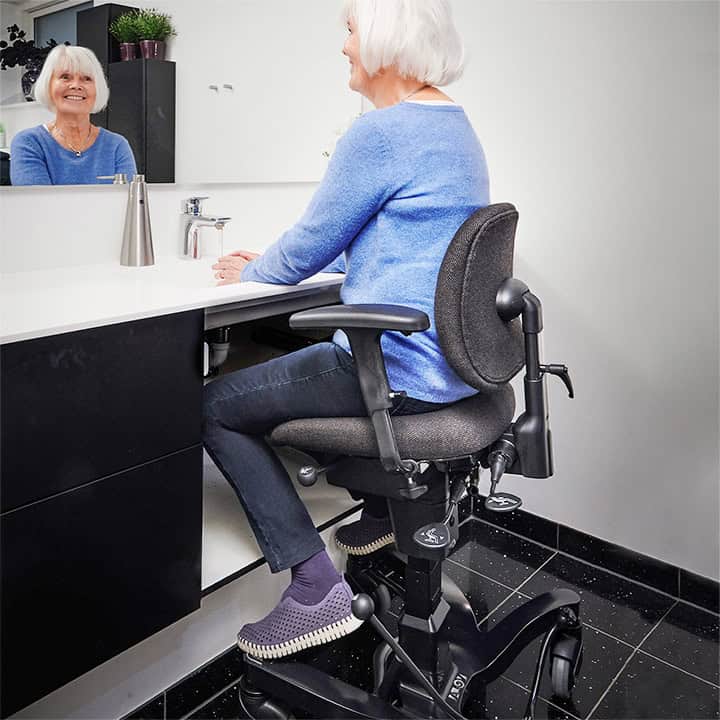
Mobility solutions such as the VELA chair remain foundational, enabling older adults to remain at home safely. VELA chairs offer features like height adjustability and secure casters to support various daily tasks, while reducing strain on caregivers and promoting autonomy.
Additionally, recent advances include education-focused assistive technology for independent learning, such as improvements in text-to-speech (TTS), sip-and-puff systems, FM listening devices, and writing support tools, helping those with motor or sensory impairments perform everyday and learning activities without direct support.Asian College of Teachers
Exploring Alternatives to Nursing Homes: User-Centered and Immersive Support
By integrating both traditional aids and new AI-driven technologies into their homes, seniors can maintain independence for longer periods, potentially delaying the need for a nursing home. Devices such as brain-controlled prosthetics offer more natural and intuitive movement, while smart glasses provide real-time, accessible support during daily routines.Think Beyond The Chair First Aid for the Blind
The latest best practices in design now involve user-centered co-creation, ensuring that individuals’ real needs shape the assistive products provided, resulting in more effective, inclusive solutions.Journal of Visual Impairment & Blindness VR and AR applications are emerging as powerful tools for rehabilitation, immersive learning, and engagement, supporting overall well-being.
Regulatory and clinical guidelines in 2025 increasingly advocate the adoption and integration of AI-driven assistive technologies, helping to foster smoother uptake in rehabilitation and caregiving.Journal of Visual Impairment & Blindness
While not the sole option available, assistive home technologies for the elderly like the VELA chair, and now advanced digital tools and smart devices, represent practical, proven methods to support aging in place. These combined solutions enhance safety, freedom, and energy conservation—allowing seniors and their caregivers to navigate care options confidently and independently.
References
- Think Beyond The Chair: The Best Assistive Tech Gadgets in 2025
- Lets Envision Blog: What’s Next for 2025: The Future of Assistive Technology
- Innocaption: Top 5 Assistive Technologies Showcased at CSUN 2025
- First Aid for the Blind: Assistive Technology Roundup: August 2025 Update
- Journal of Visual Impairment & Blindness (JVIB) Special Issue 2025
- Asian College of Teachers: Assistive Tech Trends in 2026
- Consumer Electronics Show (CES) 2026 Accessibility Track
- Assistive Technology Industry Association (ATIA)