

Updated September 2025: We have updated the article with the latest advancements in assistive technology and mobility solutions in Kingston, NY—highlighting the integration of AI-powered smart devices, personalized mobility aids such as smart wheelchairs and smart glasses, and trends in user-technology integration within local assisted living facilities.
Navigating Assisted Living Options in Kingston, NY: A Comprehensive Guide
Kingston, New York, nestled in the picturesque Hudson Valley, offers a warm community and a growing array of assisted living options that cater to seniors. The city’s demographic profile shows a remarkable 16.13% of its residents are aged 65 and over, underscoring the need for well-tailored assisted living facilities. According to Neilsberg, understanding the assisted living landscape becomes crucial for families and individuals seeking the best possible care.
Discovering Top-Rated Assisted Living Facilities in Kingston
Kingston is home to highly-rated assisted living facilities, each offering unique services and amenities tailored to the varied needs of senior residents.
Mountain Valley Manor and Hudson Valley Senior Residence are two prominent mentions. According to A Place for Mom, Mountain Valley Manor, located at 373-421 Wilbur Avenue, offers 53 studio and one-bedroom apartments with a 4.7/5 rating from residents. Its pet-friendly policy, along with amenities like a library section and private laundry services, contributes to an enriching community life.
Meanwhile, Hudson Valley Senior Residence, licensed by New York State and identified by SeniorLiving.org, provides personalized care plans and facilities like barbershops and continence management for its 48 residents. Real-life examples showcase how these amenities bolster social interaction and enhance the overall quality of life, demonstrating the impact of a thoughtfully designed living environment.
Evaluating the Cost of Senior Care in Kingston
Understanding the financial landscape is crucial when considering assisted living in Kingston. The city’s average monthly cost for assisted living is approximately $5,466, notably higher than the national average of $4,000. SeniorLiving.org indicates costs can vary based on several factors, including the level of care required, accommodation size, and amenities offered. It’s essential to consider these variables when evaluating potential living arrangements to ensure they meet both care needs and budget constraints. New advances in smart assistive technologies and technology-enabled care increasingly factor into these offerings, providing more personalized support for residents.[3] [5]
Choosing the Best Assisted Living Facility for You
Selecting the right assisted living facility involves a careful assessment of personal care needs and an in-depth evaluation of potential communities. Begin by assessing the necessary level of assistance, current medical conditions, and potential mobility requirements.
When touring facilities, evaluate critical aspects such as staff qualifications, safety protocols, and the variety of activity programs. Staff-to-resident ratios and emergency response systems are also crucial indicators of quality care and safety. According to Caring.com, these factors can significantly impact your decision.
A practical case study involves the Smith family, who navigated these decisions by listing personalized criteria for their elderly mother. By prioritizing factors such as proximity to family, quality of healthcare amenities, and pet policies, they successfully chose a facility that ensured well-being and happiness for their loved one. With the introduction of smart mobility devices and interactive assistive aids, families are now able to consider how facilities incorporate modern technology to further support autonomy and engagement.[2]
Promoting Independence: Mobility Solutions for Seniors
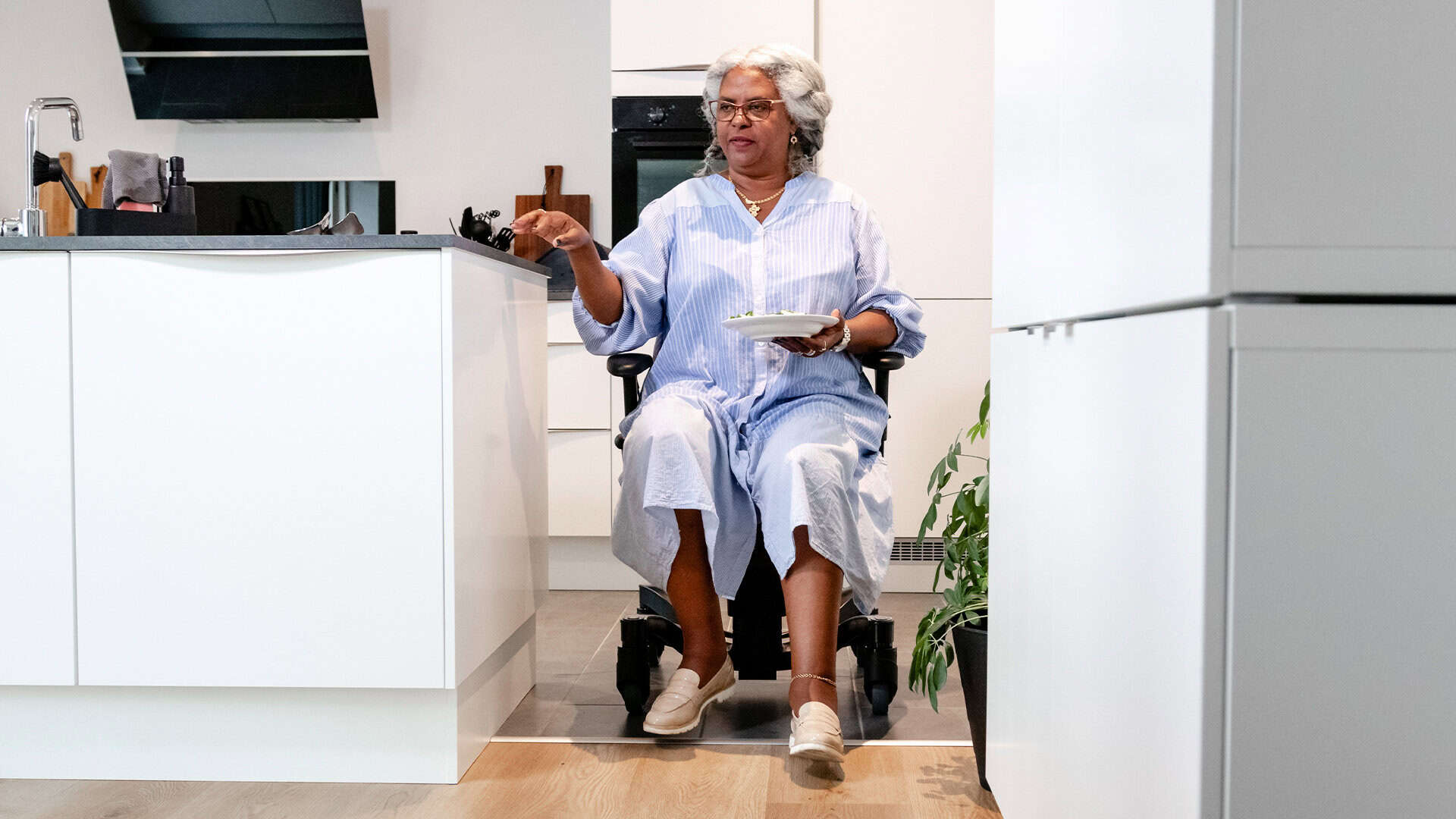
Transitioning from the structured setting of nursing homes to the more independent environment of assisted living highlights the importance of maintaining mobility. For seniors who aim to continue enjoying the comforts of their own home, solutions like VELA chairs present a viable alternative. VELA is a medically approved mobility chair designed for use at home, offering enhanced safety and freedom of movement while seated. This chair supports daily activities such as cooking, dressing, or transferring, and reduces the burden on informal caregivers, providing elderly individuals with the independence they cherish.
In addition to established solutions such as VELA chairs, today’s mobility landscape now includes a broad range of AI-powered and smart assistive technologies. Recent years have seen the rise of smart wheelchairs equipped with GPS navigation, collision-avoidance sensors, real-time health monitoring, voice controls, and remote customization capabilities.[2] Seniors also benefit from AI-powered smart glasses that offer real-time object and facial recognition, text-to-speech support, and navigation assistance, supporting those with visual impairments to move safely and confidently.[4] Advanced brain-controlled prosthetics further empower those living with limb loss, creating more natural movement and greater day-to-day independence. These innovations, increasingly present in progressive assisted living environments in Kingston, support seniors’ autonomy and safety through cutting-edge technology.[4] [6]
Supporting Aging in Place: A Practical Option
VELA Chairs significantly contribute to seniors’ ability to remain independent at home by addressing common challenges such as falls and limited mobility. With features like a central brake for added safety, electric height adjustability to accommodate ease of transfers, and freedom of movement while seated, VELA Chairs prove invaluable. They offer a life where cooking, cleaning, and relaxing are manageable, helping delay or even forego the need for nursing home care. While VELA represents a proven and practical solution, a variety of senior mobility chairs for aging in place also exist, each designed to uphold dignity, freedom, and safety for aging individuals in Kingston and beyond.
Building on this foundation, assisted living and home care settings in Kingston are increasingly adopting smart, personalized mobility aids that leverage advances in mechanical design, user interfaces, and integration between user abilities and assistive technology.[2] [6] Facilities such as Mountain Valley Manor are embracing these innovations to deliver both compassionate and technically advanced care.[7] By integrating these aids, seniors can conserve energy for the activities they love, reduce caregiver strain, and benefit from a rehabilitative approach that is both clinically recommended and forward-thinking.
References: