

Updated January 2026: We have updated the article to include recent developments in assistive technology for seniors. Updates reflect 2026 trends such as AI-integrated mobility devices, smart bathroom safety systems, IoT-enabled remote monitoring, wearable health monitoring, and voice-activated controls in assisted living assessments and care planning.
Updated September 2025: We have updated the article with the latest research on comprehensive, person-centered assessment tools for assisted living. This includes new findings on the Meaningful Engagement Assessment (MEA) for residents with dementia, ongoing and holistic evaluation practices, expanded integration of assistive technology and ergonomic innovations, and advanced software platforms for more responsive care planning and compliance.
Understanding the Assisted Living Level of Care Assessment Tool
Choosing the right level of care for elderly individuals in assisted living is crucial for their well-being and independence. Central to this decision-making process is the “assisted living level of care assessment tool.” These tools help determine the specific care needs of seniors, ensuring they receive the appropriate support. According to the U.S. National Institute on Aging, most residents in assisted living need assistance with daily activities like bathing and medication management but do not require continuous medical care. This underscores the importance of assessment tools in tailoring the right level of support.
The Importance of Level of Care Assessments in Assisted Living
Level of care assessments serve as the backbone of personalized senior care plans. Recent research supports a holistic and person-centered approach, integrating physical, cognitive, emotional, and social domains to more accurately define and evaluate care requirements. Innovative tools, such as the Meaningful Engagement Assessment (MEA) for dementia residents, allow care teams to create individualized activity plans based on resident backgrounds and preferences, improving well-being and reducing cognitive decline without increasing staff burden. As noted by A Place for Mom, these assessments utilize different scoring systems and tools to map out a resident’s care level, ranging from being fully independent to highly dependent. The focus on meaningful engagement and social support represents a significant advance in care planning and assessment.
Kotlarczyk, M., et al. (2025)
Key Components of the Level of Care Assessment Tool
The assessment process now encompasses evaluations of physical health, cognitive status, emotional well-being, and social connections using standardized instruments like Activities of Daily Living (ADL) checklists, the Mini-Mental Status Exam (MMSE), and the Brief Interview for Mental Status (BIMS). In addition, tools such as the MEA are being used for residents with dementia to ensure their activity plans are closely tailored to their interests and life histories. According to BOS Medical Staffing and American Retirement Homes, the use of validated methods and holistic assessment ensures each care plan accurately reflects the individual’s needs. Environmental safety, medical necessities, and social support are now evaluated together, supporting seniors’ ability to live as independently and safely as possible. Additionally, contemporary approaches use comprehensive home and environment assessments to flag safety hazards and evaluate functional and social engagement, enabling more targeted adaptations and interventions.HumanCare NY A typical scenario could include an elderly person with limited mobility and mild memory impairment undergoing both physical and engagement assessments to guide a truly comprehensive care approach.
Policy Standards and Frequency of Care Assessments
Assessment tools are not only comprehensive but also systematic, conducted initially upon intake, annually, and post-hospitalization, as required by many state guidelines. Each state, like Rhode Island, has unique follow-up and compliance regulations. For example, the Rhode Island State Department of Health provides an assessment form detailing essential criteria such as personal hygiene, mobility, continence, and cognitive function. Many states now require enhanced training and certification for personnel conducting these assessments, with updated programs focusing on dementia, fall prevention, and mental health. For instance, current guidelines in some areas mandate 24-hour DHSS-approved training for assessors to ensure accurate and holistic evaluations. Furthermore, both regulatory and clinical guidelines now emphasize the importance of ongoing, regular reassessments across physical, cognitive, emotional, and social domains, ensuring that care plans remain dynamic and adapt to changes in resident needs.
(Missouri Assisted Living Regulatory Training) American Retirement Homes
Understanding the Financial Impact of Care Levels
Assessment outcomes decidedly influence both the services offered and the associated costs in assisted living settings. For example, a resident requiring minimal support may incur costs of approximately $4,000 per month, whereas those needing comprehensive care could see those costs rise to $7,000 monthly, according to Carepatron. The inclusion of social and engagement needs in assessments can also affect overall support needs and long-term financial planning. Families often adjust their financial planning based on the results of these holistic assessments to better prepare for ongoing or increased care needs.
Integrating Safety and Mobility Solutions in Elderly Care
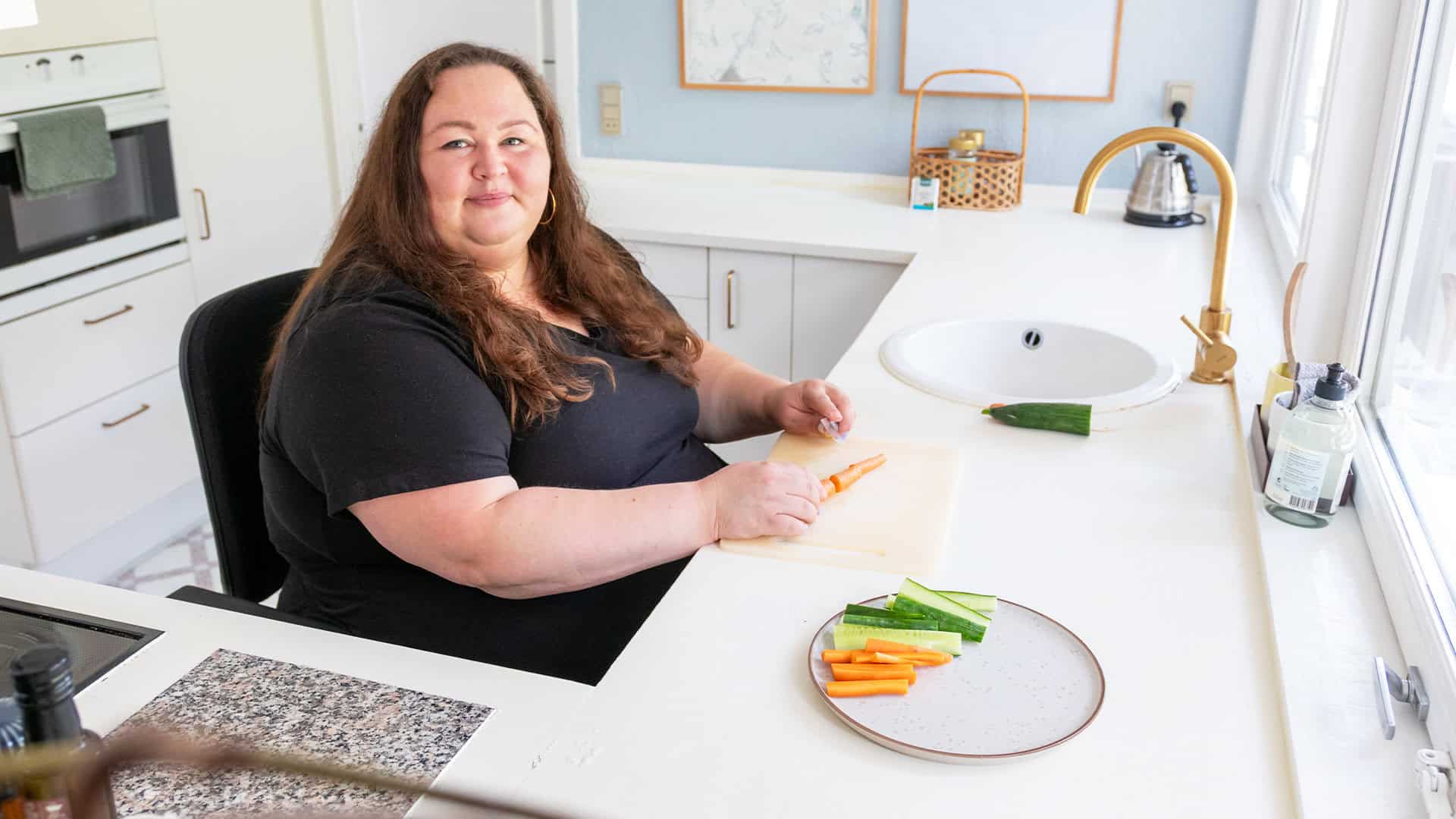
While assessments help determine care levels in assisted living, they often highlight the challenges associated with mobility and independence. In addressing these challenges, solutions like the VELA chair are crucial. VELA is a medically approved mobility chair designed specifically for home use to provide enhanced safety and independence for seniors. The chair supports freedom of movement while seated and assists with daily activities such as cooking, dressing, and transferring. It also effectively reduces the burden on informal caregivers by preventing falls and enhancing mobility through its stable and ergonomic design, which includes features like swivel, height adjustments, easy-rolling casters, and supportive armrests. Mobility and safety recommendations are increasingly being integrated into personalized support plans as guided by the outcome of contemporary holistic assessments. User-centered and adaptable ergonomic innovations are now a key trend, further enhancing environment fit and independence for elderly users
(HumanCare NY). HumanCare NY
Supporting Aging in Place: A Practical Option
Supporting aging in place is increasingly recognized as a valuable option for seniors seeking to maintain their independence at home. Solutions such as mobility chairs enhancing daily living prove instrumental in this regard. The VELA Chair, in particular, empowers seniors to achieve a greater quality of life by providing practical assistance with everyday tasks like cooking and cleaning. Its central brake ensures safety, while electric height adjustments and ease of movement assist with smoother transfers and engagements in daily activities. This practical aid not only promotes dignity and safety but also saves energy, allowing older adults to delay the need for nursing home care. While VELA is not the sole solution, it is a proven and practical means of supporting those endeavors.
Advances in Assistive Living Software and Digital Assessment Tools
Recent innovations in assisted living software now support automated, state-compliant clinical assessments, individualized care plans, secure medication management, and real-time alert systems. These digital tools streamline both the assessment and implementation processes, helping facilities and caregivers maintain compliance with updated regulatory standards and deliver more tailored support to residents. User-centered advances in assistive technologies now enhance interoperability with digital health records and enable broader monitoring of medication and care adherence, supporting holistic and responsive care.
ECP
Recent Developments in Assistive Technologies and Assessment Integration
As of 2026, ongoing advances in assistive technology are reshaping assessment and care in assisted living. AI-integrated mobility devices now feature obstacle detection and can autonomously adjust speed and braking, increasing safety and reducing the risk of accidents. Smart bathroom safety systems are being implemented with pressure-sensing grab bars and app-connected shower seats, providing real-time alerts for falls or risky movements. Many facilities are deploying IoT-enabled remote monitoring, which links assistive devices directly to telehealth platforms for seamless tracking and early intervention. Wearable health monitoring is more widespread, delivering accurate fall detection and continuous tracking of vital signs. Voice-activated controls have become increasingly common, enabling hands-free operation of mobility devices, lighting, and communication tools, which particularly benefits users with limited dexterity. The integration of these solutions within assessment protocols allows for real-time updates to care plans and enhances both safety and independence for residents.
References
- U.S. National Institute on Aging
- A Place for Mom
- BOS Medical Staffing
- Rhode Island State Department of Health
- Carepatron
- VELA Chairs
- HumanCare NY
- University of Maryland & Stevenson University
- Missouri Assisted Living Regulatory Training
- American Retirement Homes
- ECP
- Kotlarczyk, M., et al. (2025). Meaningful Engagement Assessment for Assisted Living Residents with Dementia. JAMDA – Journal of the Post-Acute and Long-Term Care Medical Association, February 2025.
- HumanCare NY. Aging-in-place Home Assessments
- Cascade Living Group. Senior Living Assessments: comprehensive checklists for medical, mobility, hygiene, medication, and transportation needs
- [1] Industry trend report, 2026: AI-integrated mobility, smart bathroom safety, and voice activation in senior care technology
- [3] Senior technology news, 2026: Wearable health monitoring and fall detection advances
- [4] Senior care industry update, 2026: IoT-enabled remote monitoring and assistive device integration with telehealth