

Updated February 2026: We have updated the article with new findings on AI-powered assistive devices, smart wearable technologies, regulatory changes including AI and inclusive design, and emerging trends such as multimodal interfaces and personalized rehabilitation solutions.
Understanding Assisted Living Facilities Through NAICS Classification
Assisted living facilities play a crucial role in providing residential and personal care to elderly individuals who require some assistance but do not need full-time nursing care. The North American Industry Classification System (NAICS) categorizes these facilities under specific codes to help identify and classify businesses within this industry. This article explores the significance of the NAICS classification for assisted living facilities and provides insights into this essential sector of elderly care. In light of recent developments, we also discuss how rapidly advancing assistive technology—including AI-driven solutions, smart wearables, and inclusive product design—is transforming both care environments and facility operations (Envision Blog).
Decoding NAICS 623312: Assisted Living Facilities Explained
Assisted living facilities are classified under NAICS code 623312, which specifically identifies establishments “primarily engaged in providing residential and personal care services (i.e., without on-site nursing care facilities) for the elderly or other persons who cannot fully care for themselves or do not desire to live independently” (Census Bureau). This classification distinguishes these facilities from others, such as skilled nursing facilities (NAICS 623110), which offer comprehensive care, and continuing care retirement communities (NAICS 623311), which may include on-site nursing care.
In practice, facilities under NAICS 623312 provide room and board, supervision, assistance with daily living activities, and housekeeping services. Real-life examples illustrate scenarios where residents receive help with tasks like meal preparation and personal hygiene, allowing them to maintain a level of independence without needing round-the-clock nursing care. With technological development, many facilities are now integrating AI-powered assistants and smart devices to deliver real-time, contextual support—enabling residents to interact more naturally with their care environment using voice, touch, and gesture inputs (Envision Blog).
Navigating the Regulatory Landscape of Assisted Living
The regulatory framework governing assisted living facilities is complex, with the NAICS classification playing a critical role in standardizing industry practices. According to NAICS.com, this classification system enables consistent data collection and analysis, crucial for understanding economic contributions and industry trends.
The Small Business Administration (SBA) sets size standards, limiting annual revenue to $12 million for facilities to qualify as small businesses. This classification is crucial for determining eligibility for government-assistance programs and contracts. Facilities demonstrate compliance by adhering to industry best practices and maintaining rigorous standards. In recent years, the regulatory landscape has expanded its focus to include evolving accessibility standards, inclusive design principles, and ethical AI governance, reflecting the growing adoption of connected technologies in care environments (McKinsey Technology Trends Outlook 2025).
Since 2025, regulatory shifts have further prioritized AI integration, FDA-approved technological interventions in rehabilitation (such as renal denervation for hypertension), and expanded assistive device scope. NAICS relevance is progressively influenced by these innovations, especially as AI-powered wearable and home-based assistive tech, like sip-and-puff systems and smart glasses, complement traditional facilities and blur the lines toward broader health tech sectors (Medtronic: 6 Healthcare Tech Trends for 2026).
Understanding the Demographic and Economic Impact of Assisted Living
NAICS 623312 facilities chiefly serve elderly individuals who need acute assistance but prefer not to live independently. They also cater to other individuals requiring similar care levels. According to General Liability Insure, the industry encompasses approximately 16,097 active companies in the USA, employing around 474,608 people. Financial statistics underscore the sector’s impact, with an annual payroll of $11.005 billion and total revenue of $29.8 billion.
Facility resident profiles showcase the diversity of care provided, emphasizing the varied needs within these communities. The global market for assistive devices is projected to double by 2030, driven by demographic shifts, chronic health conditions, and rapid adoption of innovative solutions—especially in Asia Pacific and North America (Next MSC). This surge accelerates the need for scalable, affordable, and adaptive technologies in the sector. Industry trends since 2025 highlight significant growth in AI-powered assistive devices, from smart glasses with live voice assistance to AI-driven rehabilitation guidance and predictive diagnostics, benefiting not only residential facilities but also home-based care and educational environments (Accessibility.com: Accessibility Trends to Watch in 2026; EdTech Magazine: AI Assistive Technology Improves Inclusion in K-12).
Innovative Mobility Solutions for Assisted Living: The Role of VELA Chairs
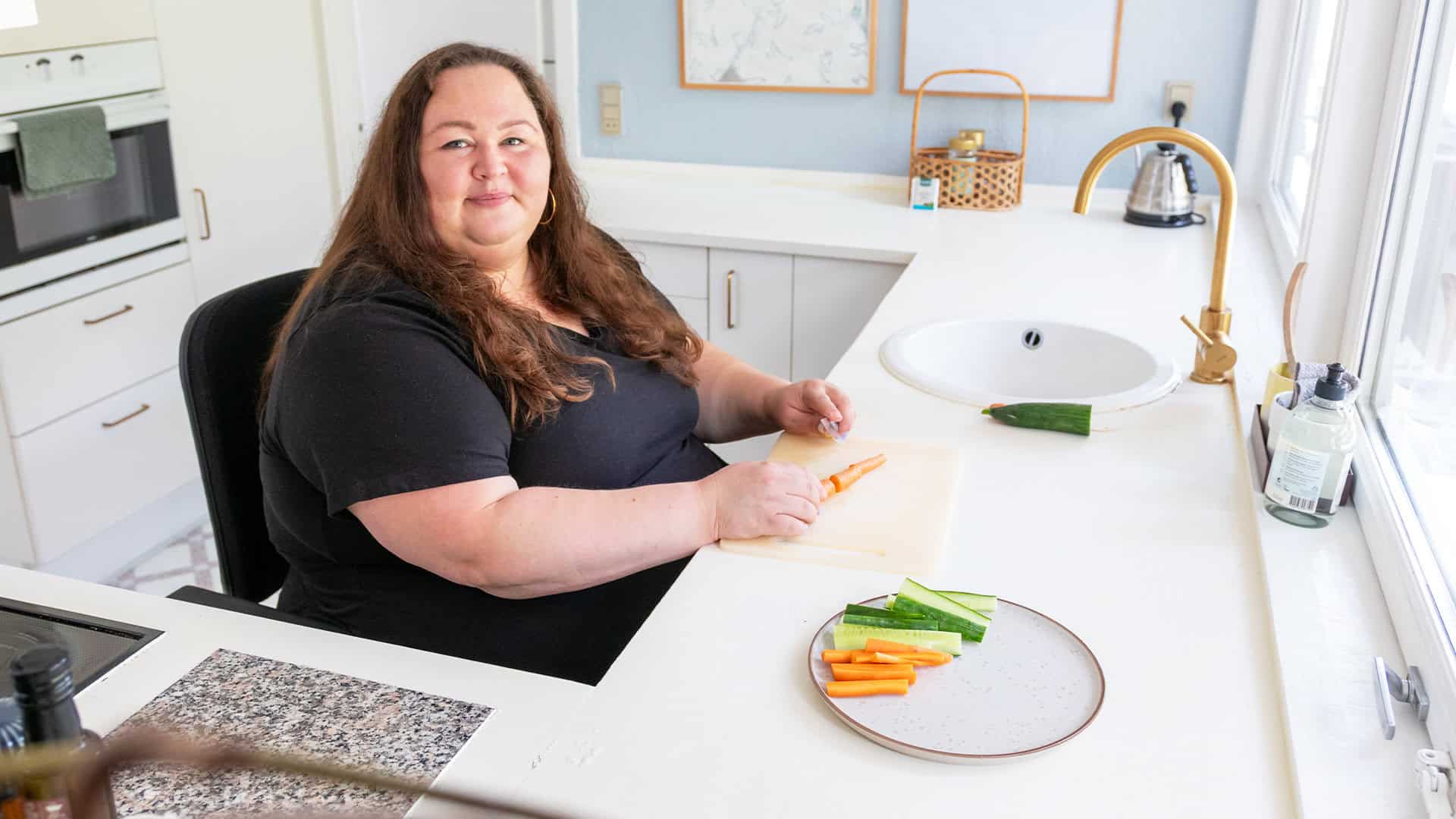
Assisted living facilities often encounter challenges related to the mobility and safety of their residents. These challenges can make it difficult for older adults to maintain their independence in the comfort of their own homes. Solutions like the VELA Independence Chair offer vital support by enhancing safety and aiding mobility while reducing the demand on caregivers. This medically approved mobility chair is designed for home use, providing an array of features such as enhanced safety, freedom of movement while seated, and support for daily activities like cooking, dressing, or transferring — all crucial for reducing caregiver load.
Recent advances in assistive technology have introduced AI-powered and IoT-enabled devices (such as smart wheelchairs, wearable navigation aids, and voice-activated home systems) that further enhance safety, independence, and personalization for residents (Next MSC; CES Accessibility Trends). The integration of multimodal controls and adaptive interfaces ensures that new devices learn and adapt alongside the user’s changing needs (McKinsey Technology Trends Outlook 2025).
Recent years have seen the emergence of systems like AI-enabled smart glasses (Meta Oakley Vanguard), sip-and-puff controls, speech-to-Braille labeling, and AI-driven real-time rehab devices such as the MORA device introduced at CES 2026. These solutions expand access, facilitate independent living, and complement facility-based care with new home-based and educational applications (Accessibility.com: Accessibility Trends to Watch in 2026; Age in Place Tech: Ten Technologies from CES 2026).
Exploring Alternatives to Nursing Homes
Adopting mobility solutions like the VELA Independence Chair can significantly extend the time seniors can live independently at home. With features such as a central brake for unmatched safety, electric height adjustability, and ease of movement while seated, these chairs tackle common challenges associated with aging. By offering assistance in daily tasks such as cooking and dressing, VELA chairs empower seniors to retain their freedom and dignity while living independently. These benefits not only enhance the quality of life but also help delay the transition to nursing home care by promoting a safer home environment. While VELA is not the only solution, it serves as a proven and practical option for those wishing to age in place with confidence.
Today, the landscape of alternatives is expanding with solutions such as AI-enabled home assistance systems, adaptive interfaces that combine voice, touch, and gesture controls, and connected ecosystems where multiple smart agents collaborate to meet complex user needs (Info-Tech Research Group – Tech Trends 2026). Experts emphasize the importance of building user feedback loops into assistive product design, ensuring ongoing personalization, ethical AI governance, and cybersecurity as essential considerations in all modern systems (McKinsey Technology Trends Outlook 2025; Info-Tech Research Group – Tech Trends 2026).
Post-2025, the integration of inclusive and adaptive design practices—such as multimodal user interfaces, cognitive accessibility (e.g., simplified user experiences), and adherence to updated WCAG guidelines for wearables/XR—has become crucial for industry stakeholders. Case studies demonstrate that AI-driven systems boost independence for mobility-impaired populations in both residential and educational settings, further supporting the shift away from traditional institutional care (EdTech Magazine: AI Assistive Technology Improves Inclusion in K-12; Accessibility.com: Accessibility Trends to Watch in 2026).
References
- Census Bureau – NAICS 623312
- NAICS.com – NAICS Code Description
- General Liability Insure – NAICS 623312
- Envision Blog – Future of Assistive Technology & AI Assistants
- Next MSC: Disabled and Elderly Assistive Device Market Report 2025–2030
- CES Accessibility Trends
- McKinsey Technology Trends Outlook 2025
- Info-Tech Research Group – Tech Trends 2026
- Medtronic: 6 Healthcare Tech Trends for 2026
- Accessibility.com: Accessibility Trends to Watch in 2026
- EdTech Magazine: AI Assistive Technology Improves Inclusion in K-12
- Age in Place Tech: Ten Technologies from CES 2026