

Updated February 2026: We have updated the article to reflect recent advancements in assistive technology for seniors, including AI-integrated smart mobility aids, clinical-grade wearables, voice-activated home devices, adaptive ergonomic furniture, and VR/AR rehabilitation tools. The update also highlights expanding adoption of these solutions in Newton, MA, regulatory trends toward AI ethics in care, and the growing role of telehealth and predictive monitoring in assisted living.
Updated October 2025: We have updated the article with current trends in assisted living in Newton, MA, including the shift toward active aging, technology integration such as telehealth, more affordable and flexible senior housing options, upgraded wellness amenities, and a greater emphasis on patient-centered care. Additional authoritative sources have been included to provide the latest perspectives.
Assisted Living in Newton, MA: An Overview
As Newton, MA, experiences a demographic shift toward an older population, the demand for assisted living facilities in the area has increased significantly. According to Newton Beacon, by 2030, approximately 30% of Newton’s population will be aged 60 or older. This trend underscores the critical need for comprehensive and compassionate assisted living solutions in this thriving community. A notable option to consider is Lasell Village, renowned for its vibrant community and quality care. Recent developments, such as the upcoming Cooper Center for Active Living, exemplify the city’s evolving landscape, focusing on active aging and integrating communal, wellness, and fitness spaces for older adults.
Additional sources: Newton Beacon, EFA Magazine.
Demographics of Newton’s Aging Population
Newton’s aging demographics are driving the demand for assisted living options. There are about 22,000 residents aged over 60, as reported by Newton Beacon. This growing segment requires specialized care and accommodation tailored to their evolving needs. For example, families often seek support for aging parents dealing with mobility issues and chronic illnesses—a scenario increasingly common as this demographic expands. The latest trends in Newton also highlight the importance of diverse housing models, such as middle-market options and flexible fee structures, to better serve seniors with varying financial backgrounds.
Additional source: McKnight’s Senior Living.
Top Assisted Living Facilities: Reviews, Ratings, and Services
Several facilities in Newton offer exceptional care and services for seniors. Among the top-rated are The Falls at Cordingly Dam, CareOne at Newton, and NewBridge on the Charles. These facilities are praised for their commitment to quality care and active community engagement. According to Seniorly, The Falls at Cordingly Dam is particularly noted for its personalized care plans. One resident shared how their tailored approach dramatically improved their quality of life and sense of independence. Facility enhancements in recent years include modernized wellness centers, fitness facilities, and the use of technology such as telehealth to improve access to care and efficiency.
Additional sources: EFA Magazine, YouTube.
Cost of Assisted Living in Newton and Payment Options
The financial aspect of assisted living is a critical consideration. In Newton, the average monthly cost of assisted living is approximately $6,442, according to Paying for Senior Care. This is higher than both the state and national averages. Prospective residents must explore various payment options and financial planning strategies. For example, a couple could benefit from consultations on long-term care insurance and veteran benefits to ease the financial burden. Additionally, new middle-market housing models—offering reduced fees, a la carte services, and co-housing concepts—are emerging to address the needs of financially diverse seniors.
Additional source: McKnight’s Senior Living.
Local Senior Care Programs and Resources
Newton offers a wealth of resources to support its senior population. The Newton Senior Center and Cooper Center for Active Living provide a range of activities and programs designed to promote wellness and social engagement. The Cooper Center, opening in late 2025, will feature enhanced communal and wellness spaces, reflecting a growing focus on helping seniors remain physically active and socially connected. Additionally, the city’s proximity to world-class medical centers enhances the level of care available. Seniors can participate in community-led fitness and wellness programs, exemplified by a resident who found renewed vitality through regular sessions at the Newton Senior Center.
Additional source: Newton Beacon.
Supporting Independence with VELA Mobility Chairs
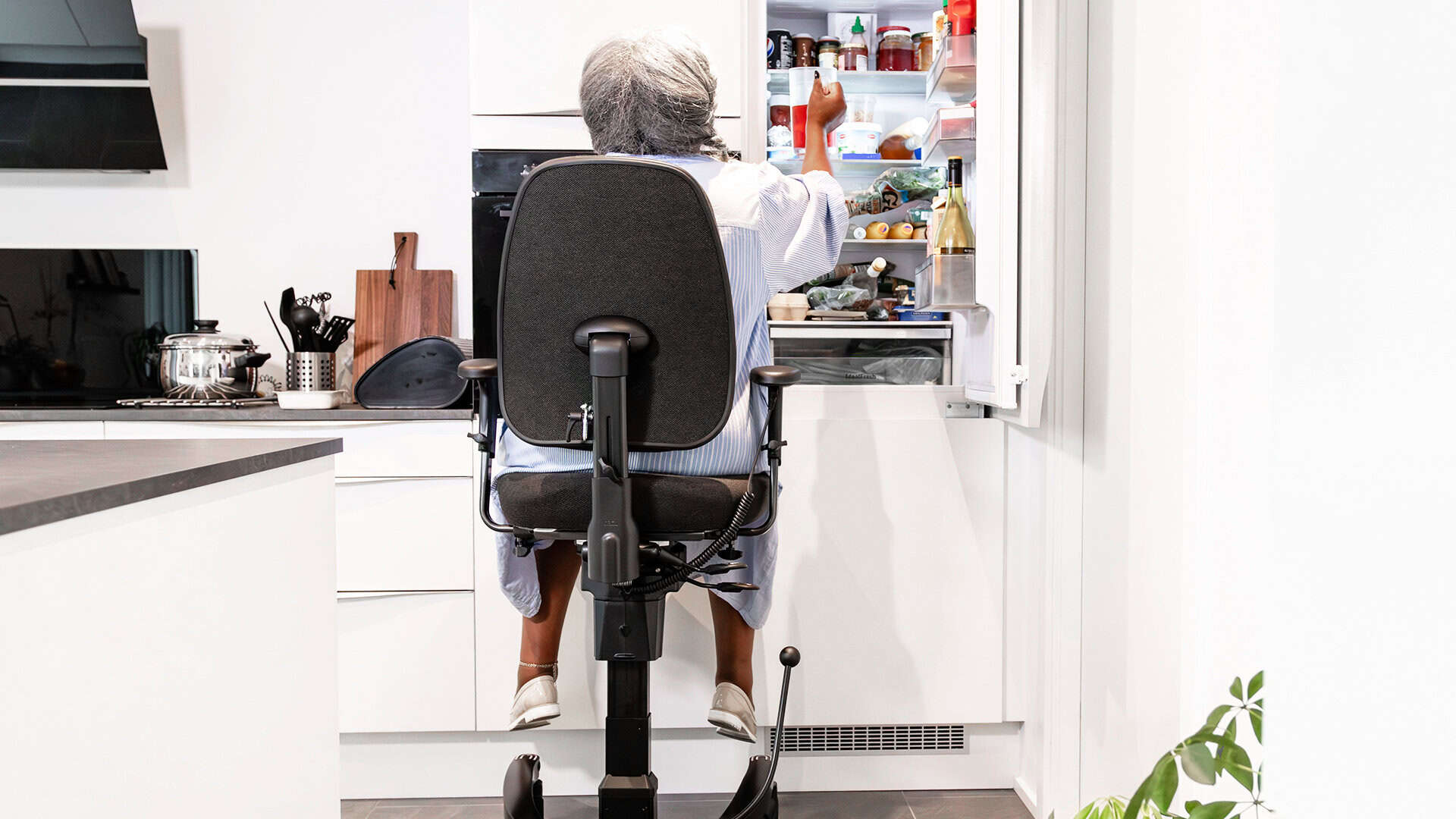
For seniors in assisted living, the ability to maintain independence can significantly impact their quality of life. As challenges in traditional nursing homes become apparent, solutions that enable older adults to remain in their own homes while managing daily activities safely are increasingly valuable. The VELA Independence Chair is a pivotal option in this regard. Medically approved for home use, it enhances safety, provides freedom of movement while seated, and supports activities like cooking, dressing, and transferring. Additionally, it helps to relieve the physical burden on informal caregivers, promoting a more autonomous living environment. Incorporating patient-centered care models, as promoted at recent industry symposiums, aligns with the use of assistive mobility solutions like the VELA Chair.
Additional source: LeadingAge Massachusetts.
How to Choose the Right Assisted Living Facility
Selecting the appropriate assisted living facility involves several considerations. Families should assess the level of care provided, facility amenities, and community ambiance. Engaging directly with staff and residents can offer invaluable insights into the day-to-day experience. Moreover, understanding state regulations and standards ensures that loved ones receive safe and compliant care tailored to their needs. Modern best practices now also include evaluating technology integration (such as telehealth), fitness and social programming for active aging, and approaches to person-centered, inclusive care. The emergence of advanced assistive technologies—such as AI-integrated smart mobility aids, wearable health monitors, and adaptive furniture—plays an increasingly important role in enhancing independence, safety, and overall well-being for seniors.
Additional sources: YouTube, AANP, AARP, LeadingAge.
State Regulations and Standards for Assisted Living in Massachusetts
Massachusetts enforces rigorous standards to regulate assisted living facilities, ensuring resident safety, care quality, and facility management meet high benchmarks. These regulations aid families in making informed choices when entrusting the care of loved ones to such facilities. Growing industry emphasis on telehealth, technology, and individualized services is prompting many facilities to update operations in accordance with evolving resident needs and expectations. Recent trends include the adoption of regulatory guidance focusing on AI ethics, data privacy, and the use of voice-activated and robotics-powered devices within care environments, further supported by nurse practitioner-led best practice frameworks. Assisted living providers in Newton are increasingly integrating smart monitoring, predictive analytics, and remote patient monitoring to deliver safer and more proactive care.
Additional sources: NIC MAP, AANP, Medtronic.
In conclusion, as the demand for assisted living in Newton, MA, continues to rise, the array of facilities and resources available provides families with numerous options tailored to meet diverse needs. From cost considerations and care quality to local amenities and resources, choosing the right assisted living environment can significantly impact the quality of life for Newton’s older adults. For detailed recommendations on senior home care, resources like Seniorly offer valuable guidance, helping families navigate this critical decision-making process. The market is forecasted to remain resilient and adaptive, driven by technology and patient-centered care, and by the widespread adoption of AI, robotics, and next-generation wearable and smart home devices, with about 30% of older adults now routinely using AI-enabled technology.
Additional sources: Plante Moran, LeadingAge Massachusetts, AARP.
Supporting Aging in Place: A Practical Option
The VELA Independence Chair significantly aids seniors wishing to remain at home longer. It supports staying independent by offering specific features that address safety concerns and energy conservation. Equipped with a central brake for stability, electric height adjustability, and effortless seated mobility, the chair notably reduces the necessity for nursing home care. Within the home, these features empower individuals to perform daily tasks like cooking and cleaning comfortably, thus preserving dignity and freedom. A life with the VELA Chair means less reliance on caregivers, decreased risk of falls, and improved energy levels. While it is not the single solution, it stands as a proven and practical tool for aging in place, as detailed in Mobility Chairs for Enhanced Independence. Emphasis on active aging, affordability, and technology in local community resources supports a holistic approach for aging at home. Modern options also increasingly integrate AI-powered predictive monitoring, voice-activated reminders, and remote health data sharing to further promote safety, autonomy, and connectivity for seniors living independently.
Additional sources: LeadingAge, AANP, Medtronic.