

Updated September 2025: We have updated the article to reflect recent advances in AI-integrated assistive technologies, non-intrusive safety monitoring devices, enhanced ergonomic mobility aids, and the importance of user co-creation in assistive device development. New regulatory trends and expert reports supporting these innovations have also been added.
Addressing Senior Care on the North Shore: Challenges and Solutions
The North Shore region of Cook County, Minnesota, faces unique challenges in providing sufficient senior care due to its rural setting and aging population demographic. Cook County, home to one of the oldest populations in Minnesota, experiences a shortage of essential services, such as local assisted living facilities. According to the North Shore Health Senate Hearing, this county ranks second in the state for the oldest population and critically requires enhanced professional care solutions.
The Current State of Elderly Care on the North Shore
Healthcare infrastructure in Cook County primarily involves North Shore Health, which comprises a 16-bed Critical Access Hospital and a 37-bed Skilled Nursing Facility. Absence of local assisted living options compels residents to travel over 60 miles to Silver Bay for nursing home care. This not only causes inconvenience but underscores the urgent need for local solutions as families face logistical challenges in accessing regular healthcare (House Committee on Preserving Senior Services).
In practical terms, an elderly woman living in Grand Marais regularly faces a six-hour round trip to visit her husband in Silver Bay, coping with winter road conditions and scarce public transport options.
National Trends vs. North Shore Challenges
The national ‘silver tsunami’ illustrates an increased demand for senior living arrangements due to an aging population. Expertise is required to understand the pressures on infrastructure, with a forecast of needing 775,000 new assisted living units by 2030 (Assisted Living Magazine). However, the North Shore challenges are accentuated by geographical isolation and limited care facilities. For example, an 85-year-old local resident, reliant on sporadic family visits, illustrates the significant hurdles faced by the elderly in rural areas.
Innovative Solutions for North Shore Senior Care
To alleviate resource shortages, building an assisted living facility in Cook County is paramount. Drawing parallels with rural Maine’s localized care programs, such initiatives can significantly better seniors’ quality of life. Organizations like North Shore Area Partners offer valuable support by facilitating aging in place through preventive care and home services. A potential practical approach includes expanding collaborations between these organizations and local healthcare providers to develop integrated care models tailored to rural settings.
Enhancing Mobility and Safety for Seniors
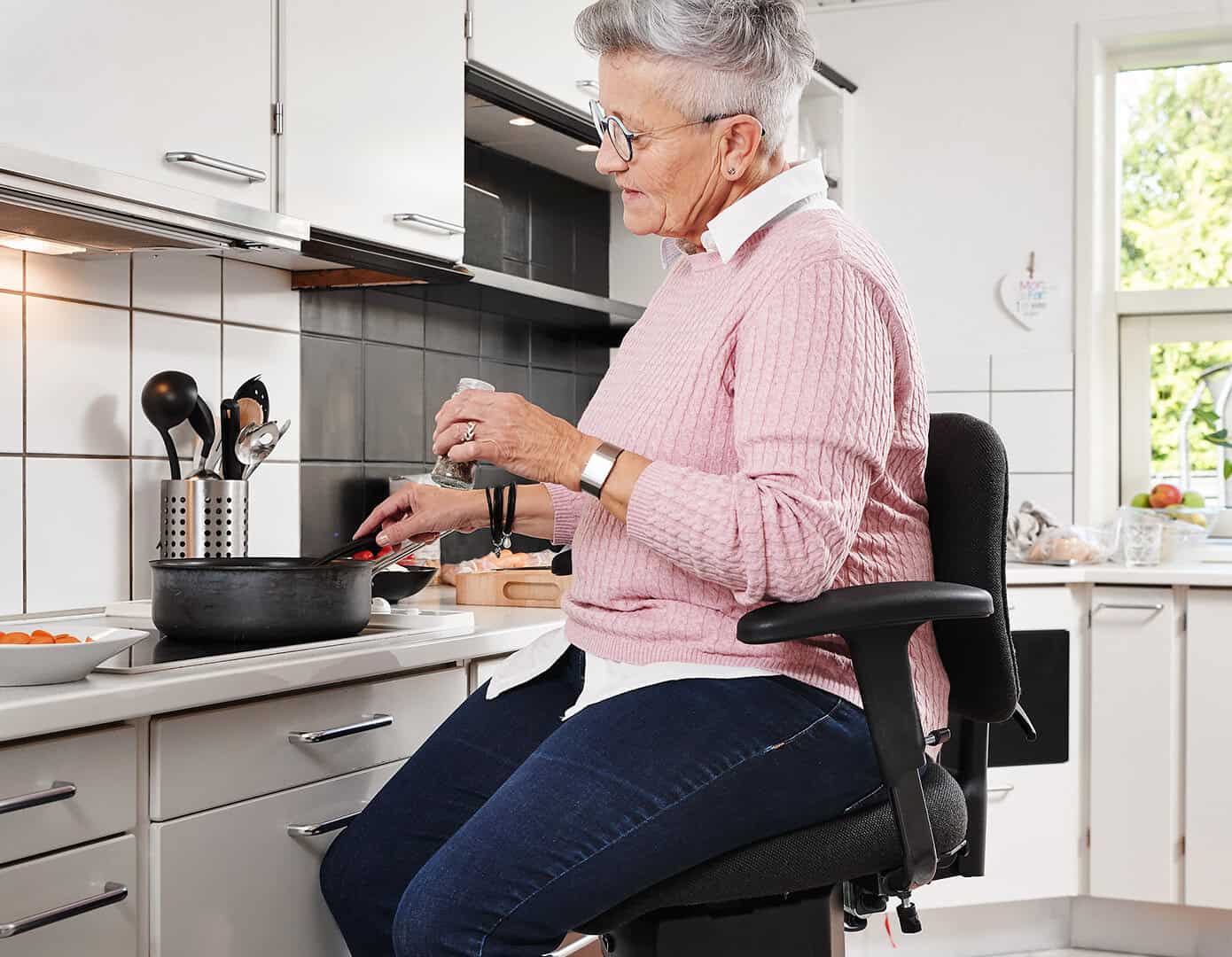
With nursing home capacity stretched and distances daunting, enabling seniors to maintain independence at home becomes crucial. Recent advances in assistive technology further support this goal. VELA, a medically approved mobility chair, continues to provide enhanced safety and freedom of movement within the home. Modern ergonomic design improvements now focus on lightweight, maneuverable aids with anti-tip stability features and electric scooters with customizable speed options to reduce fall risks (SeniorSite.org).
Contemporary solutions now include wearable safety devices with real-time monitoring, motion sensors for non-intrusive remote safety monitoring, and AI-powered virtual assistants that offer intuitive communication and support for seniors and their caregivers (LetsEnvision.com; AskSAMIE.com). These bolster independence by offering faster access to information, environmental control, and social engagement for those with disabilities or mobility challenges.
In addition, VELA chairs remain effective for supporting daily activities such as cooking, dressing, and transferring. Modular mixed-reality educational tools are now also being used to support skill development and social inclusion for people with disabilities, ensuring that seniors can continue to learn and interact independently (Assistive Technology Industry Association, Vol. 19).
Building a Future for Elderly Care on the North Shore
To effectively meet the senior care needs in the North Shore region, a multifaceted approach is required. Establishing dedicated assisted living facilities, expanding the current nursing home capacity, and investing in innovative mobility and assistive solutions are part of this strategy. Global trends show an increasing demand for assistive technology and highlight the importance of user involvement in designing effective solutions. Policies now encourage co-creation with end users and interdisciplinary approaches that integrate cognitive rehabilitation with physical device training, thus addressing complex needs, including psychiatric conditions (PMC article; World Health Organization).
Regulatory bodies are also pushing for harmonized terminology, standards, and inclusive policy frameworks to ensure accessibility and sustained adoption of assistive devices worldwide. Financial strategies involving increased tax levies and obtaining state and federal assistance are vital for these developments. By focusing on these elements, the region can provide its elderly population with comprehensive, compassionate care within their community. Strategic planning ensures aging with dignity becomes a reality, aligning with national trends yet addressing local needs.
References
- Channel Point Village. How assistive technologies are shaping senior care in 2025.
- PMC article: The Role of Assistive Technology in Enabling Older Adults.
- LetsEnvision.com. What’s Next for 2025: The Future of Assistive Technology & AI.
- SeniorSite.org. 15 Best Assistive Devices for Elderly [Tested & Rated for 2025].
- AskSAMIE.com blog. Innovative Assistive Technology For Seniors in 2025.
- Assistive Technology Industry Association. Assistive Technology Outcomes and Benefits, Spring 2025 (Vol. 19).
- World Health Organization. Assistive technology fact sheet.