

Updated February 2026: We have updated the article with the latest trends in occupational therapy for assisted living, including the rise of home-based OT, AI-powered assistive technologies such as smart prosthetics, exoskeletons, autonomous wheelchairs, remote monitoring wearables, and telehealth integration. The update also reflects enhanced best practices around personalized, holistic care, expanded caregiver education, and evolving funding models supporting aging in place.
Empowering independence: the impact of occupational therapy in assisted living
Occupational therapy (OT) is increasingly recognized as a pivotal element in assisted living, particularly as seniors aim to sustain independence amidst evolving physical and cognitive demands. Each year, approximately 3 million older adults receive treatment in emergency departments for fall-related injuries, underscoring the critical need for effective rehabilitation and adaptation strategies in senior care settings. According to the National Institute on Aging, “OT can help older adults remain independent and reduce hospital readmissions,” marking its instrumental value in enhancing life quality within assisted living communities.
The role of occupational therapy in assisted living
Occupational therapy within assisted living primarily focuses on helping seniors enhance their capability to conduct Activities of Daily Living (ADLs), crucial for upholding independence. Occupational therapists form personalized care strategies for residents, catering to their unique requirements—ranging from dressing and bathing to cooking and participating in social activities. According to the American Occupational Therapy Association, “Occupational therapy practitioners contribute to programs that promote health, well-being, and social participation, letting seniors lead fulfilling lives.” For instance, consider Mrs. Johnson, an elderly resident who regained independence in personal care through customized OT exercises, significantly boosting her confidence and quality of life.
Key benefits: independence, safety, and enhanced well-being
Through reducing fall risk and fostering overall well-being, OT promotes both safety and independence for seniors. The psychosocial advantages are substantial, often enhancing mood and inciting increased social interaction. As stated in the American Journal of Occupational Therapy, “Recent studies reveal that OT in assisted living fosters better ADL outcomes and psychosocial health.” For example, Mr. Lee, an elderly participant with arthritis, benefited from exercises that allowed him to continue enjoying his passion for cooking, thereby supporting both his physical health and emotional well-being.
How OT works in an assisted living setting
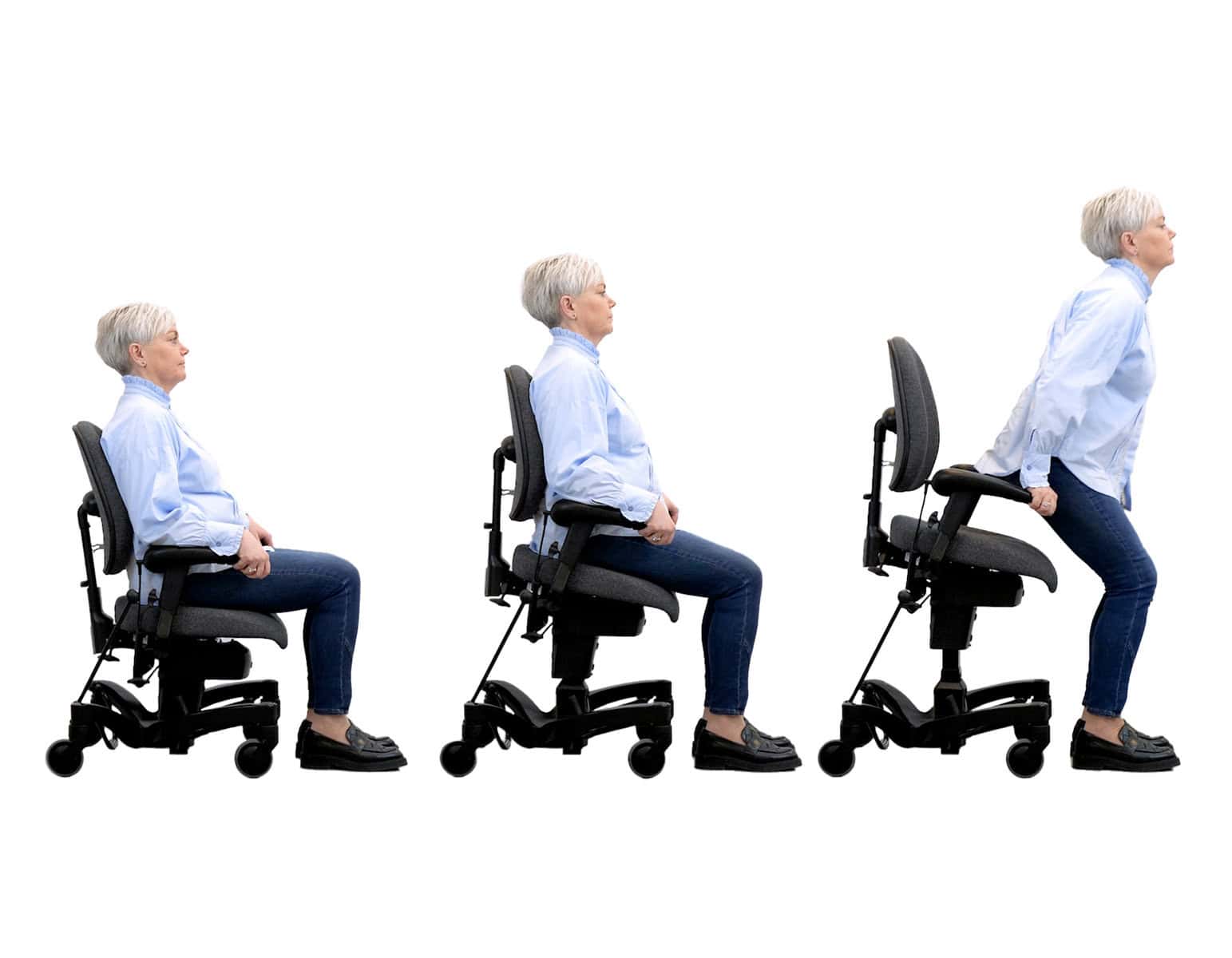
Occupational therapy is seamlessly integrated into assisted living facilities through thorough assessments and tailored care plans. These plans are co-created by therapists, residents, and family members, ensuring they meet individual needs. As reiterated by the National Institute on Aging, “OT can help older adults remain independent and reduce hospital readmissions,” demonstrating its efficacy. In an environment where maintaining self-sufficiency is crucial, VELA chairs serve as an essential component of these care plans. Featuring brake mechanisms and adjustable heights, these chairs enhance safety and mobility, empowering residents to navigate their living spaces with confidence.
In a particular case, a tailored OT program facilitated a resident with cognitive impairments to improve memory retention through activities based on personal interests and abilities.
Integrating advanced technology and personalized care
Recent advances are transforming occupational therapy in assisted living with the integration of personalized, data-driven solutions and intelligent technology. The field has seen a significant shift toward home-based OT supported by telehealth, now preferred by nearly 60% of seniors, along with increased use of remote monitoring wearables that proactively track mobility and fall risk.[1][3][5] AI-driven mobility aids, such as smart wheelchairs with autonomous navigation, adaptive speed control, and obstacle detection, now offer residents greater safety and independence, lessening the need for constant caregiver intervention.[2][4][6][8] Solutions like smart prosthetics, exoskeletons, and voice-controlled wheelchairs are also enhancing daily function for users with advanced mobility challenges.[2][4][8] Many existing power wheelchairs are being retrofitted with sensory and AI-enabled upgrades for enhanced navigation and device control.[2][8]
Smart home technologies—especially voice-activated environmental controls—are making it easier for individuals with limited mobility to manage lighting, security, and temperature using simple voice commands. This seamless integration contributes not only to safety, but also to increased autonomy throughout the day.[12][4]
Additionally, virtual and augmented reality systems are emerging in OT for immersive rehabilitation, enabling tailored exercises and remote monitoring that can benefit both stroke recovery and cognitive wellness.[5][3][8] Through these innovations, OT services are moving toward holistic, multidisciplinary, and highly individualized care plans utilizing real-time activity data from wearable devices, AI-driven analytics, and telehealth consultations.[5][15][3][7] This approach supports faster recovery, reduces rehospitalization rates, and enables more seniors to successfully age in place.[1][3][5][7][9]
Evolving accessibility and inclusive design
The landscape of assistive technology is also shaped by inclusive and ergonomic product design. Innovative devices—like touchless makeup systems, adaptive grab bars, reachers, and AI-based navigation aids—reflect a move toward products that prioritize user experience, comfort, and dignity.[4][14][8][3] This focus is crucial, as adoption of advanced solutions depends on practical usability, caregiver training, and easy integration into residents’ routines.[8][3][5] The latest OT best practices also highlight the value of caregiver education platforms and holistic care teams to ensure every user receives comprehensive, coordinated support.[3][5][7]
Choosing the right assisted living community with OT
Choosing an assisted living facility necessitates a comprehensive assessment of their OT services. Facilities should be evaluated regarding the quality and scope of their occupational therapy offerings, coupled with practical considerations like cost and insurance coverage. According to Medicare.gov, “Medicare covers medically necessary outpatient occupational therapy services as part of senior care plans.” Expanded Medicare coverage and innovative funding models are making in-home and telehealth-based OT, along with advanced assistive devices, more accessible for seniors than ever before.[1][3][7] A narrative from a family member might illustrate a daughter selecting a facility renowned for its occupational therapy program, leading to considerable improvements in her mother’s condition.
How mobility solutions like VELA make a difference
Staying independent at home as we age is a goal for many, and tools like the VELA chair make this more achievable. Designed to reduce the need for nursing home admission, these mobility chairs for daily independence are equipped with features that address everyday challenges faced by older adults. With its central brake for stability and electric height adjustability, the VELA chair enhances safety and energy efficiency, making daily tasks like cooking and dressing easier. This allows seniors to maintain their dignity and freedom, offering a vivid contrast to the increased dependency experienced without such vital support.
Moreover, these assistive devices supporting elderly independence significantly ease the load on caregivers, providing peace of mind knowing their loved ones have the support they need for living independently and comfortably at home.
Sources
- All Seniors Care. Emerging Home Health Services Trends for Elderly Seniors and Caregivers in 2026. [1] https://allseniors.org/articles/emerging-home-health-services-trends-for-elderly-seniors-and-caregivers-in-2026/
- AbilityMT. “AI-Enhanced Wheelchairs and Mobility Aids.” [2]
- All Seniors Care. “2026 Guide to Home Occupational Therapy for Senior Independence.” [3] https://allseniors.org/articles/occupational-therapy-at-home-essential-strategies-to-help-seniors-regain-independence-in-2026/
- Digital Learning Institute. “Revolutionising Accessibility – The Role of AI in Assistive Technology.” [4] https://www.digitallearninginstitute.com/blog/revolutionising-accessibility:-the-role-of-ai-in-assistive-technology
- OneRehab. “Current Trends in Occupational Therapy.” [5] https://onerehab.com/occupational-therapy-trends/
- Senior Housing News. “Senior Living Operators Embrace Personalized Services (Jan 2026).” [7] https://seniorhousingnews.com/2026/01/28/senior-living-operators-embrace-personalized-services-to-meet-shifting-wellness-preferences/
- Mobility Management. “CES 2026 – 4 Assistive Technology Exhibitors to Watch.” [8] https://mobilitymgmt.com/ces-2026-4-assistive-technology-exhibitors-to-watch/
- ConnSene Report. “Wearable Robotics and Inclusive Ergonomic Design – CES 2025 Honorees.” [14]
- Baker College. “Virtual and Augmented Reality in Occupational Therapy.” [5]
- SPRY. “Personalized, Data-Driven Care and Holistic Models.” [15]
- PubMed Central (PMC). “Challenges in Usability and Adoption.” [8]
- World Health Organization. “Regulatory, Accessibility, and Funding Trends.” [10]
- AssistiveTechHub. “Trends in Smart Home and Assistive Technologies.” [12]