

Updated February 2026: We have updated the article with new findings on AI-powered health monitoring, wearable fall detection, integrated smart home accessibility features, and telehealth expansion. This update highlights post-2025 trends such as personalized AI care plans, movement sensors for privacy-focused safety, holistic well-being and brain training programs, and increasing adoption of non-invasive, user-friendly assistive technologies supporting independence and reducing caregiver burden in assisted living.
Meeting the Growing Demand for Assisted Living in Oswego
With a significant portion of Oswego’s population aging, the demand for quality assisted living facilities has never been more pressing. In fact, according to Oswego County Office for the Aging, roughly 17.72% of Oswego city residents are over the age of 65, underscoring the critical need for robust senior care options. This article delves into the vital aspects of assisted living in Oswego, offering insights into local facilities, costs, and safety solutions that prioritize both the health and independence of its elderly residents.
Overview of Assisted Living in Oswego: Trends & Options
As the elder demographic in Oswego grows, so do their unique care needs, which often include managing chronic conditions like arthritis and diabetes and addressing cognitive impairments. According to CDC – National Center for Health Statistics, a staggering 60% of assisted living residents require help with daily activities such as bathing. Oswego’s facilities are attuned to these needs, providing specialized care tailored to individual health requirements.
- The Gardens by Morningstar: Known for its community-focused approach, this residential setting promotes independence while ensuring comprehensive care through active social programs and 24-hour health services. As stated by The Gardens by Morningstar’s website, the facility prides itself on fostering an active living environment.
- St. Francis Commons at St. Luke: Offers a blend of affordability and high-quality care with its NYS Licensed Assisted Living Program, praised for exceptional resident support and individualized care plans. According to St. Luke’s Family of Caring, this facility integrates personal dignity with autonomy and choice.
Both facilities exemplify Oswego’s commitment to delivering personalized, quality care to its seniors, integrating social engagement with healthcare to enhance residents’ quality of life.
Navigating Costs and Financial Planning for Assisted Living
The financial commitment of assisted living can be daunting, with Oswego’s average cost pegged at $5,378 per month, as outlined by A Place for Mom. Factors influencing this include the level of care needed, accommodation types, and additional amenities. Various payment options exist, ranging from private pay to Medicaid—a critical resource for those who meet eligibility requirements. According to the New York State Department of Health, local not-for-profit care models also offer community-based support, making care more accessible.
Essential Mobility & Safety Solutions for Assisted Living Residents
An invaluable component of senior care is ensuring safety and promoting independence, which now increasingly harnesses the latest advancements in assistive technology. Recent trends emphasize AI-powered health monitoring using remote and wearable sensors for real-time vital sign tracking and fall detection, with adaptive adjustments in care based on immediate alerts and predictive analytics. Telehealth is now an integral component of assisted living, expanding access to medical services and allowing preventive interventions from the comfort of residents’ rooms [1][2][3][5][6][7][8][9].
- AI-powered smart glasses such as VisionX and Meta Ray-Ban Live AI offer real-time environmental descriptions, facial recognition, and hands-free interaction to support visually impaired residents during navigation and daily activities.
- Wearable navigation and haptic devices facilitate orientation and environmental awareness, now enhanced with fall detection, mobility risk alerts, and seamless integration with facility-wide health records for a personalized safety net.
- Integrated AI assistants and smart home automations—such as voice-activated controls, automated lighting, and non-invasive movement sensors in fixtures—streamline safety, comfort, and accessibility, supporting holistic wellness and privacy-conscious monitoring.
- Brain-controlled prosthetics, like the NeuroGrip Arm, enable intuitive, thought-driven control over prosthetic limbs, representing a significant leap in rehabilitation and quality of life for those with limb loss or severe motor impairment.
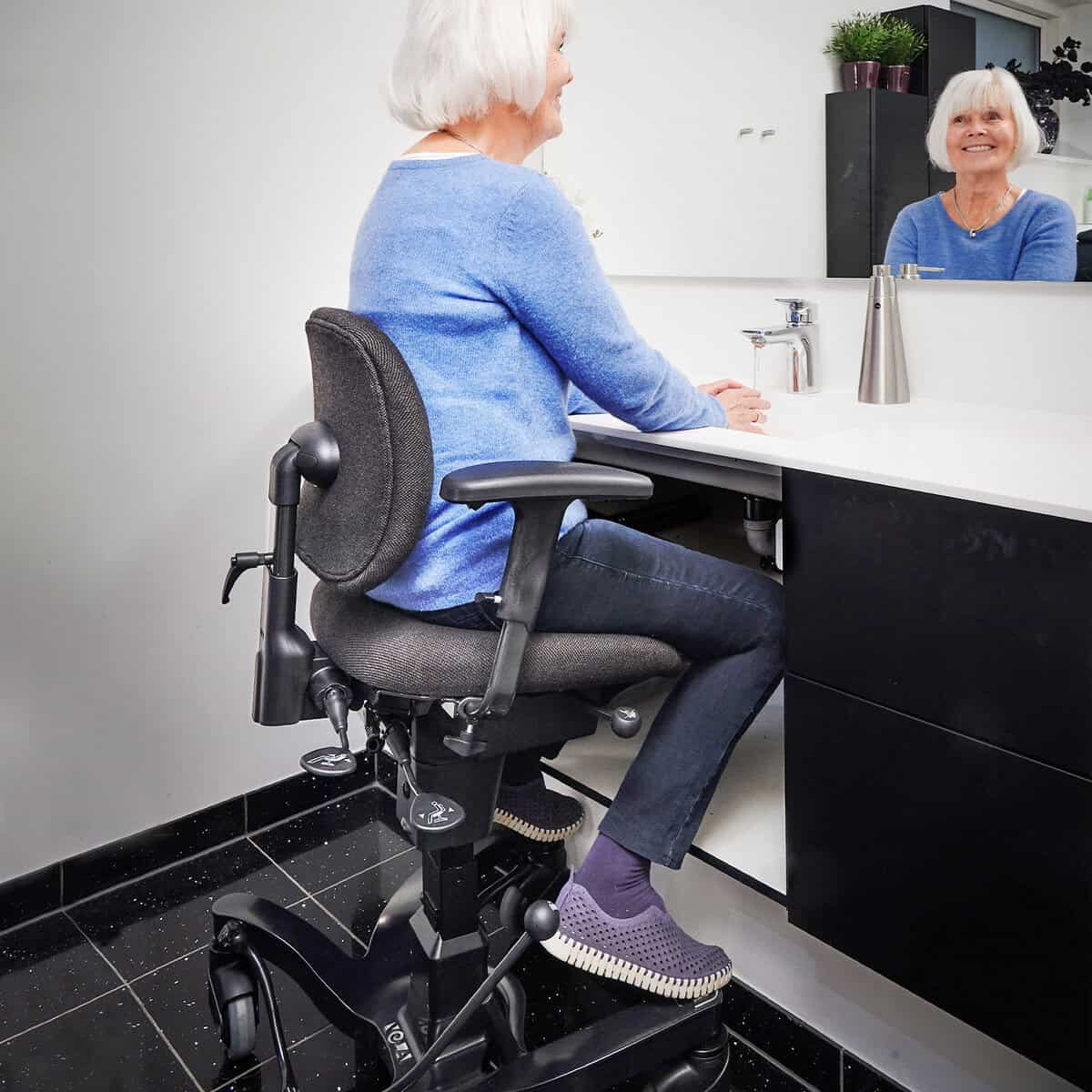
Assistive technologies like the VELA chair continue to enhance mobility, safety, and daily activity participation, while the adoption of empathetic design practices ensures these solutions are both user-friendly and non-intrusive. Current best practices encourage the integration of wellness programs, such as virtual brain training for mental health, and automated environment adjustments to support cognitive and physical well-being. Data now shows approximately 65% of seniors in assisted living prefer technologies that track well-being but do not replace human caregivers, highlighting the relevance and acceptance of these innovations in Oswego’s care community [1][2][3][4][6][7][8][9].
Reducing Caregiver Burden Through Smart Seating and New Assistive Technology
Supporting aging in place remains a preferable option for many seniors who wish to retain their independence while maintaining safety and comfort. VELA Chairs can play a pivotal role in achieving this by offering features that enhance everyday living. The central brake ensures safety by stabilizing the chair, while electric height adjustability and ease of movement enable seniors to perform daily activities like cooking or cleaning with less effort. Recent advances such as AI-powered health analytics, smart sensors, and automated accessibility upgrades further reduce staff and family caregiver burden by offering real-time risk prediction, proactive support, and seamless connection to remote care teams [1][2][5][6][7][8][9]. Personalized AI care plans and green, sustainable ergonomic environments are now key trends, supporting independent living while emphasizing dignity, holistic wellness, and regulatory alignment on privacy and ethics. Although not the only solution, a VELA Chair represents a practical and accessible option for extending independence and enhancing quality of life. The current shift toward systematic inclusion of these technologies in clinical standards further cements their role in modern senior care.
References
- Think Beyond The Chair: The Best Assistive Tech Gadgets in 2025: Enhancing Independence Through Innovation [1]
- Envision Community Insights: The Future of Assistive Technology & AI Assistants (2025) [2]
- CSUN 2025 Conference Highlights: Top Assistive Technologies and Inclusion Advances [3]
- First Aid For The Blind: Assistive Technology Roundup — Meta Ray-Ban Smart Glasses with Live AI [4]
- Journal of Visual Impairment & Blindness (JVIB): 2025 Special Issue on Technology Innovations in Visual Impairment [5]
- Asian College of Teachers: Assistive Technology Trends in 2026; Sip-and-Puff & TTS Tools [6]
- CTA’s CES Accessibility Overview: Tech Megatrends for Aging and Disability [7]
- Assistive Technology Industry Association (ATIA): Latest Industry Advances and Professional Development [8]
- Top Trends in Senior Placement: Navigating Assisted Living in 2026 [1]
- The Future of Senior Living: Top Trends to Watch in 2025 [2]
- The Future of Senior Living: Trends to Watch in 2025 [3]
- Senior Housing Trends to Watch in 2026 [4]
- Top Five Health Care Trends for 2026 [5]
- HDG Execs: These 6 Trends Could Reshape Senior Living in 2026 [6]
- The Top 10 Well-Being Trends Shaping Senior Living 2026 [7]
- Long Term Care 2026 Trends and Outlook [8]
- Assistive Aging Technology Trends to Watch in 2026 [9]