

Updated October 2025: We have updated the article with insights on recent advances in AI-integrated assistive technologies, including smart home systems, adaptive wearables, and AI-powered mobility solutions. The update also highlights trends in ergonomic and inclusive design, cognitive health tools, and policy changes expanding access to adaptive technologies. Enhanced guidance around digital literacy, privacy, and the importance of user-friendly innovations is included.
Assisted Living in Palm Desert: A Comprehensive Guide
Palm Desert, renowned for its sunny climate and robust senior community, is an exemplary locale for assisted living. The city features a median age of 56.7 years, representing a substantial elder demographic. According to U.S. Centers for Medicare & Medicaid Services, this growing population necessitates diverse elder care services, especially since over 50% of assisted living residents are aged 85 or more. Thoroughly understanding the various assisted living options in Palm Desert allows individuals and families to make well-informed eldercare decisions.
Understanding Assisted Living Options in Palm Desert
Assisted living facilities bridge the gap between independent living and nursing care, helping with daily tasks while supporting a social lifestyle. In Palm Desert, where a notable portion of the population are senior citizens, these facilities prosper by offering amenities bespoke to their residents’ requirements. The California Department of Social Services ensures local facilities meet high safety and care standards. For example, The Joslyn Center includes programs such as social clubs and exercise classes, keeping residents physically and socially active.
Demographic Trends and Senior Care Demand
The age distribution in Palm Desert, with a significant concentration of elderly residents, heightens the demand for senior care services. The gender ratio tilts towards females (53%), and an old-age dependency ratio of 72.3 puts pressure on assisted living facilities. A Journal of the American Geriatrics Society report observes that this demand challenges facilities to maintain quality services amid resource and staffing constraints. Thus, strategic resource management is vital to effectively meet the rising eldercare demands.
Evaluating Assisted Living Costs in Palm Desert
The monthly cost for assisted living in Palm Desert ranges from $3,701 to $4,525, which is competitive compared to the California average of $5,000. Careful financial planning, involving options like long-term care insurance and veterans’ benefits, can ease the financial load. Personal accounts from residents’ families emphasize the importance of budgeting ahead. According to a Genworth Survey, varying costs often correlate with the level of care and services, underscoring the importance of aligning resources with specific care requirements.
Features of Top-Rated Assisted Living Communities
Palm Desert is home to several esteemed assisted living facilities, such as Atria Palm Desert and Atria Hacienda. These offer advanced memory care programs and pet-friendly environments, accommodating various resident needs. Reviews from A Place for Mom highlight the quality of care and resident satisfaction. First-hand testimonials detail the positive impacts of personalized care plans and active community engagements, enhancing residents’ quality of life.
Choosing assisted living in Palm Desert involves balancing cost with quality care. The city’s welcoming community atmosphere alongside comprehensive care options makes it a sound choice for senior living. As noted by the Journal of the American Geriatrics Society, evaluating community engagement opportunities and personalized care solutions is crucial. This ensures seniors receive necessary care while living fulfilling and vibrant lives.
Supporting Aging in Place: A Practical Option
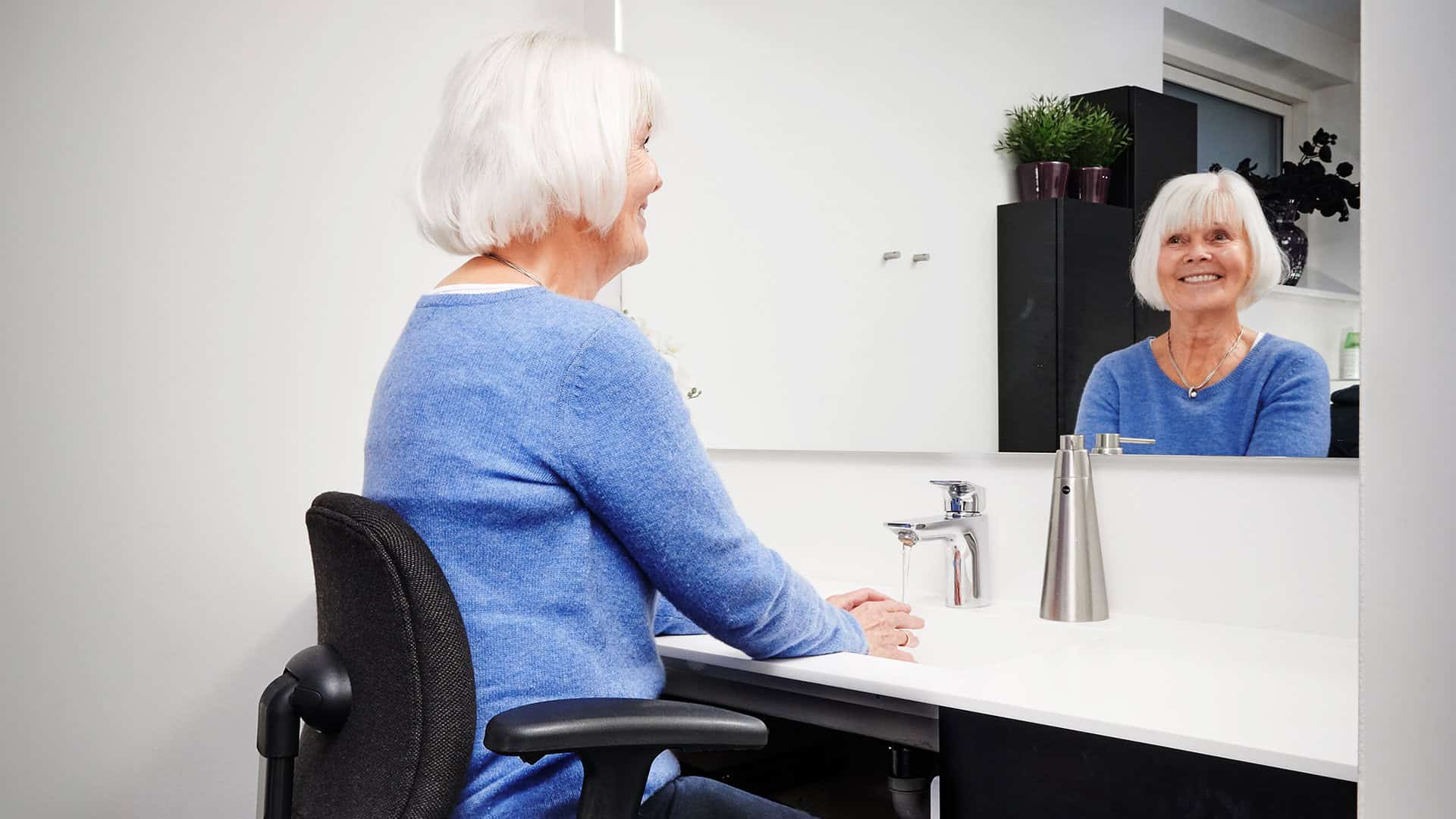
For those wishing to age gracefully at home rather than transition to nursing facilities, solutions like the VELA Independence Chair offer tangible benefits. With specialized features such as a central brake for enhanced safety and electric height adjustability, this chair aids in reducing fall risks and conserving energy. Recent developments in assistive technology show substantial progress, as AI-integrated tools, adaptive wearables, and personalized smart home systems have become more accessible and intuitive for seniors wishing to remain independent.[1][3][4][5][6][7] Many of these technologies, including adaptive kitchenware, ergonomic furniture, and cognitive health apps, are designed for comfort and usability, supporting both physical and mental well-being.[1][5][6] The ability to move smoothly while seated provides a sense of freedom and dignity, significantly delaying the need for a nursing home. While VELA chairs are a proven option, they are among a growing range of mobility and adaptive solutions that address individual needs and safety, especially as funding and regulatory changes now help make smart assistive technologies more widely available.[6] Discover seating options to support seniors’ independence or explore fall prevention strategies in nursing homes to understand the full scope of these innovative aids. Attention to digital literacy, privacy, and the ethical use of AI is increasingly important for fostering confidence and adoption among seniors and caregivers.[3]
References
- Silverts “Investing in Assistive Technology for Seniors,” 2025 – overview of smart home devices, adaptive clothing, and motion sensors enhancing independence.
- Okolo G.I., Althobaiti T., Ramzan N. “Integrating AI and Assistive Technologies in Healthcare,” Healthcare (Basel), 2025 Mar;13(5):556. doi:10.3390/healthcare13050556 – detailed review of AI in assistive devices and ethical concerns.
- Envision via LetsEnvision.com, “The Future of Assistive Technology & AI,” 2025 – discussion of AI assistants transforming accessibility for blind or low vision users.
- AARP Tech Trends Survey and AgeTech Summit coverage, 2025 – insights into consumer demand for aging tech including cognitive health apps and wearables.
- Ability Montana Blog, “Exciting Assistive Technology for People with Disabilities,” 2025 – examples of AI-driven neural implants, smart homes, and community partnerships for adaptive tools at affordable costs.
- Seniors Blue Book, “A Guide to Useful Technology for Older Adults,” 2025 – practical advice on medical alert systems, fitness trackers, and smart home automation.