

Updated February 2026: We have updated the article with recent information on emerging assistive technology trends for 2026, including developments highlighted at regional accessibility fairs and major events. Updates focus on the growing role of education-oriented assistive technologies, community-driven accessibility innovations, and the relevance of local inclusion events for care planning in the Princeton area.
Updated October 2025: We have updated the article to reflect recent advances in assistive technology, including the latest generation of smart wearable devices, AI-supported platforms, and gamified learning tools that enhance independence, safety, and social inclusion for older adults and individuals with disabilities. Highlights include new features in mobility and communication aids, the importance of inclusive technology ecosystems, and recommendations for engaging with regional accessibility events and resources.
Navigating Assisted Living Placement in Princeton, NJ: A Comprehensive Guide
Selecting an assisted living facility for your elderly loved ones is a significant decision, particularly in Princeton, NJ, where the population aged 65 and over constitutes approximately 17% of the total residents. This guide aims to provide families with detailed insights into securing an optimal balance of support and independence. We will explore critical aspects such as costs, available options, resident rights, and the enhancement of independence through mobility solutions. Latest updates include advances in assistive technology—such as smart wearables, AI-driven support, and gamified educational platforms—that are increasingly supporting independence and safety for residents and their caregivers.Assistive Technology Outcomes and Benefits CSUN 2025 – Top 5 Assistive Technologies
Understanding Assisted Living Costs in Princeton
In Princeton, the cost of assisted living is substantial, exceeding both state and national benchmarks. According to Seniorly, monthly expenses range from $6,617 to $7,920, higher than New Jersey’s state average of $7,056 and the national average of $4,546. Families should anticipate potential budget discrepancies, often around 20%, due to unforeseen expenses. For example, a family budgeting $6,000 may find costs reach $7,200 after including additional care services. Comprehensive financial planning resources, such as Paying for Senior Care, offer authoritative insights into managing these expenses effectively.
Evaluating Senior Living Options
Princeton’s senior living options include assisted living, memory care, and independent living. The decision involves assessing personal care needs, evolving health conditions, and financial resources. A practical example is a senior initially choosing independent living but transitioning to assisted living as health needs change. This scenario emphasizes the necessity of selecting a flexible facility capable of accommodating evolving health care requirements. The emergence of advanced assistive technologies—including wearables with real-time location tracking and remote support features—has expanded opportunities for older adults to seamlessly move between different care environments while maintaining a sense of safety and autonomy. Detailed comparisons can be found on sites like Senior Living.
Navigating Resident Rights and Regulations
Understanding the rights of residents and the regulatory framework that governs assisted living facilities is essential. According to New Jersey’s Revised Statutes Section 26:2H-128, residents have the right to personalized care tailored to their specific health needs. This includes the ability to request adjustments in care plans to enhance comfort and personalization, as exemplified by a resident who successfully modified their care components to improve their experience. Facilities must ensure compliance by informing residents of their rights, an assurance vital for making informed decisions. Recent regional initiatives—such as the Princeton University Assistive Technology and Accessibility Fair and educational summits—highlight the growing community commitment to upholding these rights and fostering a culture of inclusion and accessibility.Princeton University Accessibility Fair AT Summit for Education
Enhancing Independence with Mobility Solutions
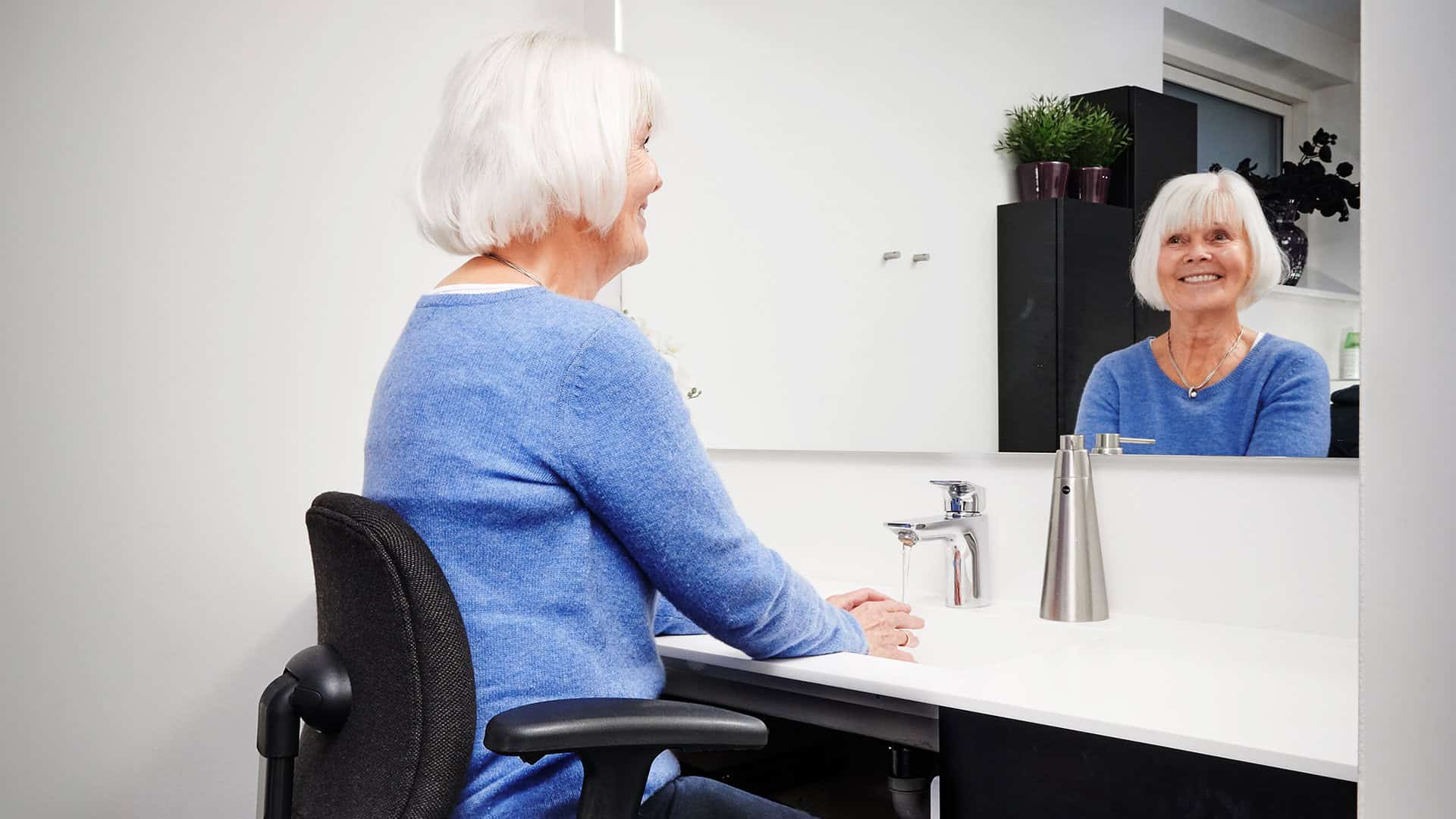
The transition from a nursing home to a more independent living scenario often comes with challenges, primarily concerning mobility and maintaining personal independence. Solutions are essential for helping older adults stay comfortable and self-reliant in their own homes. The landscape of mobility aids has recently evolved to include connected and intelligent devices. For example, the VELA chair stands out as a medically approved mobility aid designed for home use. It enhances safety and freedom of movement while seated, facilitating daily activities such as cooking, dressing, or transferring, and easing the burden on informal caregivers. Complementing traditional aids, today’s options also include wearable systems with smart alerts, fall detection, and communication capabilities, enabling consistent remote support by caregivers.Mobility Solutions for Seniors Assistive Technology Outcomes and Benefits
Making an Informed Decision
Choosing the right assisted living community involves several significant considerations:
- Personal Needs: Evaluate both current and future care requirements, the desired level of independence, and specific health condition management. Take into account whether advanced technology—such as AI-powered monitoring devices or mixed-reality therapy tools—can supplement or enhance these care needs for a more personalized experience.CSUN 2025 – Top 5 Assistive Technologies
- Financial Resources: Critically assess the monthly budget, including assets, insurance coverage, and potential family support, to accurately plan for assisted living expenses.
- Visits and Reviews: Conduct thorough tours of multiple facilities, engage with staff and residents, sample the meals, and review state inspection reports to ensure the chosen facility aligns with your family’s needs and expectations. Seeking out local accessibility and assistive technology fairs or summits can provide firsthand experience with new solutions and guidance from technology experts. Princeton University Accessibility Fair
Assisted living placement in Princeton requires diligent research and careful decision-making. By understanding cost structures, exploring diverse living options, and prioritizing independence through solutions like VELA chairs and the latest in smart assistive technologies, families can make informed decisions that enhance their loved ones’ quality of life. For further recommendations, consider consulting resources like A Place for Mom, which provides expert advice on finding the right assisted living placement in Princeton.
How Mobility Solutions Like VELA Make a Difference
Seniors striving to remain independent at home benefit substantially from mobility solutions like the VELA Chair. This specialized chair addresses essential issues such as safety, energy conservation, and ease of transfers. Features like a central brake enhance safety by preventing accidental slips, while electric height adjustability allows for seamless transitions between sitting and standing. The ease of movement while seated empowers seniors to maintain an active lifestyle, reducing the need for nursing home care. Imagine preparing meals or enjoying leisure activities with newfound ease and safety. Such tools not only promote autonomy but also preserve dignity and relieve some of the physical demands on caregivers. Emerging smart technology platforms further expand these benefits—enabling live video connections with support volunteers, AI-powered fall detection, and real-time communication to encourage both user and caregiver confidence.CSUN 2025 – Top 5 Assistive Technologies Senior Mobility Support Such solutions are increasingly recognized at community and educational forums as transformative for quality of life and social connectedness.AT Summit for Education