

Updated September 2025: We have updated the article with new findings on AI-driven smart assistive devices, brain-computer interface prosthetics, advanced smart wheelchairs, wearable health-monitoring technologies, and the latest smart home and telehealth integration trends improving quality senior care. Policy and funding changes, as well as ergonomic and user-friendly design innovations, are also reflected.
Synthesizing Policy with Practice for Optimal Senior Care
Understanding assisted living policies and procedures is crucial for ensuring high-quality and safe care for senior residents. With over 80% of residents in assisted living facilities managing chronic conditions like arthritis and dementia, comprehensive and adaptable policies play a vital role. The economic aspect is also critical, as residents face a national median cost of $4,500-$5,000 monthly for assisted living, highlighting the need for efficiently managing quality care costs. According to AHCA’s 2025 Policy Priorities, effective policies are essential for balanced and sustainable care.
Comprehensive Overview of Assisted Living Policies and Procedures
Core operational aspects in assisted living include structured policies covering infection control, medication management, and resident rights to uphold residents’ health, dignity, and autonomy. Facilities follow dual oversight from state and federal regulations, offering a harmonized care approach. Real-world examples, such as one facility achieving 95% medication adherence through detailed policies, underscore their importance in promoting residents’ well-being. For detailed guidelines, refer to the NCAL Policy Manual.
State and Federal Oversight: Balancing Compliance in Assisted Living
Balancing state-specific requirements with federal mandates is complex, especially for facilities using Medicare/Medicaid. For instance, a facility in a high-cost urban area successfully adapted to 2025 regulatory updates, showcasing the dynamic nature of compliance. The challenges in urban settings highlight the importance of a robust understanding of these demands. Explore more at the State Regulations Resource.
Prioritizing Safety and Quality Standards in Assisted Living for 2025
Safety benchmarks and training standards elevate care quality in assisted living communities. Fall prevention strategies and rigorous infection control measures are key safety initiatives. The successful implementation of fall prevention programs in highly-rated facilities reduces injurious falls and contributes significantly toward compliance with the Joint Commission’s 2025 National Patient Safety Goals. These goals are elaborated by the Joint Commission. Additionally, advances in real-time health monitoring both through wearable devices and AI-enabled systems provide immediate detection of falls and changes in vital signs, enabling quicker intervention and further strengthening community safety protocols. For the latest on wearable health-monitoring devices improving resident safety and wellness, see Senior Living Technology Trends 2025 and Emerging Senior Living Trends [1][5].
Enhancing Mobility and Independence with Adaptive Equipment
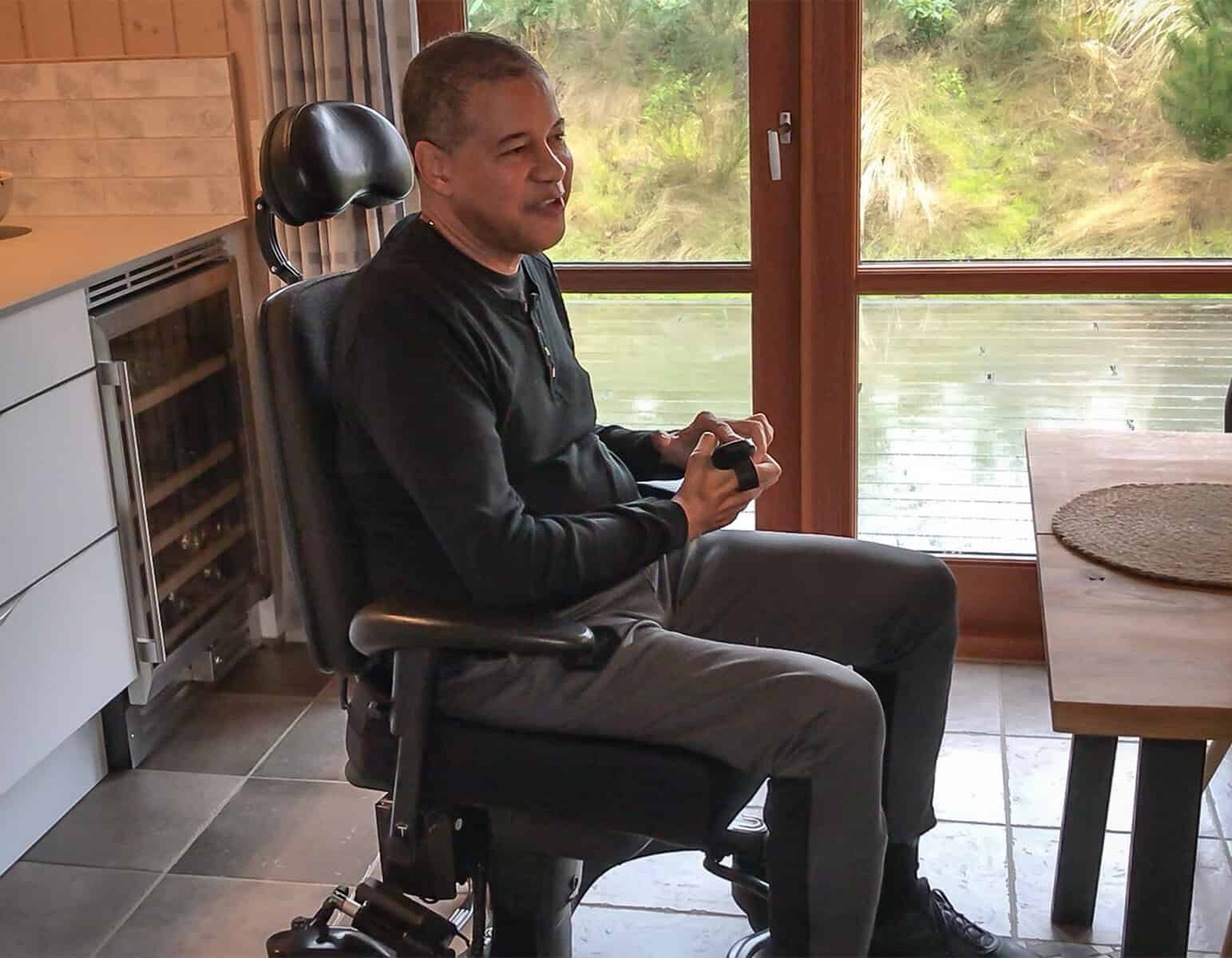
Mobility and independence are essential for dignity in assisted living. Today’s adaptive equipment includes not only classic supports like the VELA chair but also advanced smart mobility devices and technologies. AI-powered smart wheelchairs now feature autonomous navigation, pressure sensors, and integration with mobile applications, allowing improved user safety and independence. Recent innovations include smart glasses that support real-time environmental awareness and navigation, brain-computer interface prosthetics that enable more natural movement, and wearable health devices that continuously monitor user status for prompt assistance as needed [2][8]. These new solutions provide customizable and ergonomic designs tailored to seniors with varied needs and dexterity levels, making independence attainable for many more residents [3][6]. Innovative products like the VELA Independence Chair, and advanced smart wheelchairs, offer enhanced safety, freedom of movement while seated, and support for essential activities—significantly reducing the burden on informal caregivers. Updated funding strategies and new insurance pathways are increasing access to these advanced mobility devices [7].
Synthesizing Policy Practice
In conclusion, comprehensive policies and procedures in assisted living are crucial for maintaining safety and quality. To achieve optimal outcomes for residents, future strategies need to integrate leading-edge technology: AI-driven assistive devices, continuous wearable health monitoring, smart home systems, and telehealth platforms for integrated care delivery. Emphasizing ergonomic, accessible, and customizable equipment will ensure that more residents maintain autonomy while care providers improve efficiency and responsiveness [1][3][5][7]. For authoritative recommendations, refer to the NCAL Policy Manual. Understanding and applying these strategies ensures exceptional and adaptive senior care that meets today’s evolving demands.
How Mobility Solutions Like VELA Make a Difference
Mobility solutions such as the VELA Independence Chair now operate alongside new AI-powered devices, smart wheelchairs, and brain-computer interface prosthetics to enable seniors to stay independent longer at home [2][8]. Features like safety brakes, electric height adjustability, autonomous navigation options, and remote monitoring integrate with other smart home technologies for holistic support. These chairs and adaptive equipment address safety, conserve energy, and facilitate easy transfers. By supporting everyday activities and integrating with smart home and telehealth systems, these tools can delay a move to a nursing home. The practicality and user-adaptability of such equipment—together with recent funding and insurance improvements—ensure more seniors benefit from these solutions than ever before [1][7]. Discover more about these solutions at Mobility Solutions for Seniors. This holistic, innovative approach ensures that seniors remain active, safer, more autonomous, and well-supported in their daily lives.
Sources:
- Senior Living Technology Trends 2025 [1]
- The Best Assistive Tech Gadgets in 2025 [2]
- The Future of Senior Living: Smart Homes, Telemedicine, Wearables [3]
- Recent trends in assistive technology for mobility [4]
- 5 Emerging Senior Living Trends [5]
- Innovations in Assistive Technology [6]
- Senior Living Technology and Operational Efficiency [7]
- Exciting Assistive Technology: Smart wheelchairs and sensor tech [8]