

Updated February 2026: We have updated the article to reflect the latest trends in assisted living, including AI-powered health monitoring, smart home technology for mobility and safety, wearable fall detection systems, telehealth integration, and inclusive ergonomic home modifications. The content now also addresses user concerns about privacy and technology adoption while referencing authoritative 2026 sources for further exploration.
Evaluating Assisted Living Options: A Balanced Perspective
Choosing the right senior care option is a complex and crucial decision, with “assisted living pros and cons” at the forefront of many discussions in the realm of elder care. With over 30,500 assisted living communities across the United States and an industry valued at $91.8 billion, the significance of this choice is evident. In 2025, the average monthly cost of assisted living is projected to be $5,676, highlighting the substantial financial consideration involved. According to The Senior List, making informed decisions requires understanding both the benefits and the drawbacks of this lifestyle.
Comprehensive Support Services in Assisted Living
Assisted living communities offer a variety of support services that contribute to residents’ quality of life. These facilities provide assistance with activities of daily living (ADLs), such as bathing, dressing, and medication management, as well as housekeeping and transportation services. According to Consumer Affairs, these services are designed to alleviate the challenges of everyday tasks for seniors, thus enhancing their overall well-being. For instance, Mrs. Johnson, an elderly resident with mobility limitations, benefits from daily assistance in moving around the facility and meal preparation, allowing her more opportunities for social interaction and engagement with others.
Social and Safety Benefits of Assisted Living
One of the most notable advantages of assisted living is the enhanced social environment it provides. Facilities are structured to foster interaction through organized activities and community events, which can significantly reduce feelings of isolation. As highlighted by WTOP, a senior like Mr. Smith, who previously felt isolated at home, may find renewed happiness and a sense of connection by participating in these community activities. Safety is also a priority, with 24-hour staffing and design features aimed at fall prevention, which collectively create a secure and reassuring environment for residents. Recent advancements have seen AI-powered health monitoring, wearable fall detection systems, and smart home features such as automated lighting and voice-activated controls become core components in assisted living. These tools support real-time care adjustments and provide proactive interventions to reduce hospitalizations for residents at risk Senior Housing NewsMcKnight’s Home CareAANP.
Financial and Lifestyle Considerations in Assisted Living
The financial implications of assisted living constitute one of the primary concerns for prospective residents and their families. Assisted living can be expensive, with costs averaging around $5,900 monthly in 2024. Eden Senior HC emphasizes that these expenses, which are not covered by Medicare, can pose significant financial burdens. Additionally, lifestyle adjustments, such as the loss of some privacy and adherence to set schedules, can pose challenges during the transition to assisted living. For example, the Thompsons, a couple used to their independence, may reconsider their options when faced with these costs and the need for more personalized medical care. It is also important to consider emerging concerns related to privacy and data security, as the increasing presence of AI-driven technologies and health monitoring devices raises questions about the handling of sensitive resident information. Technology adoption can present barriers for individuals who are less familiar with digital tools, underscoring the need for solutions designed with empathy and accessibility in mind McKnight’s Home Care.
Quality of Care and Facility Variations
The quality of care in assisted living facilities can vary widely, making thorough research essential before making a choice. According to PMC, discrepancies in care quality are a real concern, with the potential for elder neglect in inadequately managed facilities. As such, families often invest considerable time in comparing various facilities to ensure their loved ones receive the high standard of care they deserve. Understanding these variations, including staff training and facility accreditation, is a crucial step in selecting the right facility.
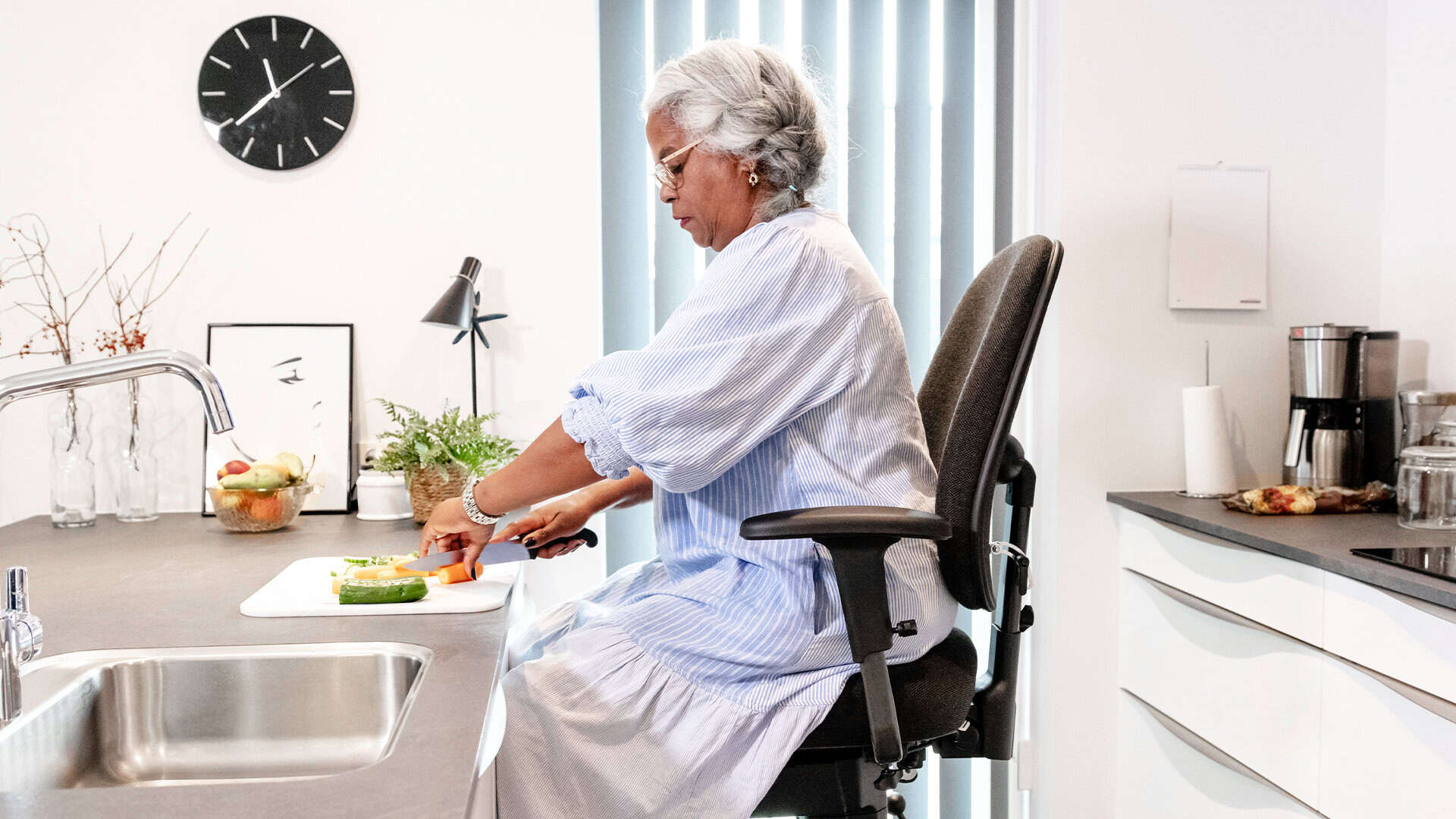
As we consider the challenges associated with nursing homes, such as potential loss of independence and the need for personalized care, it becomes essential to explore solutions that allow older adults to remain comfortable and supported in their own homes. The assistive technology landscape has advanced rapidly, with AI-powered assistants, wearable technologies, and smart devices making daily tasks and communication more accessible for seniors. The global assistive technology market is projected to reach $25.2 billion by 2025, reflecting growing demand and integration of inclusive design World Health Organization. One such promising solution is the VELA Independence Chair. This mobility chair, medically approved for home use, offers enhanced safety, freedom of movement while seated, and supports daily activities like cooking, dressing, or transferring. By reducing strain on family caregivers and increasing the individual’s autonomy, the VELA Chair can be a pivotal tool in supporting independent living for seniors. Recent advancements in ergonomic design and AI integration—including predictive analytics to prevent health declines and voice-activated controls—are influencing both product development and rehabilitation practices, further enhancing support for independent living NIDILRRMayo ClinicProvider Magazine.
Exploring Alternatives to Nursing Homes
Traditional nursing homes are not the only option for aging in place, and tools like the VELA Independence Chair represent practical alternatives. Designed with safety in mind, features such as a central brake offer security against falls, addressing critical concerns often associated with assisted living.
With electric height adjustability and smooth wheels for easy movement, these chairs enhance independence. Mobility Chairs for Enhanced Independence can extend a senior’s ability to stay in their home environment and maintain their dignity and freedom. The integration of smart home devices, AI assistants, and user-centric ergonomic advancements—including stairlifts, grab bars, voice-activated controls, and telehealth standards—further strengthens these alternatives, supporting both the safety and autonomy of seniors European Union Health PolicyJournal of Rehabilitation Research & DevelopmentProvider MagazineSenior Housing News. By alleviating the burden on caregivers, VELA Chairs contribute to a more sustainable and independent lifestyle for both seniors and their families. While this solution might not be universal, it’s certainly a validated option worth considering for those seeking alternatives to traditional elder care.