

Updated September 2025: We have updated the article to reflect recent advancements in AI- and IoT-enabled assistive living technologies, including wearable AI assistants, aging-in-place innovations, user-centered design principles, regulatory updates, and expanded caregiver recommendations for new digital tools.
Crafting an Effective Assisted Living Resume: A Guide for the Senior Living Sector
In the senior living sector, an “assisted living resume” is more than just a document — it is your key to unlocking opportunities as an Assisted Living Coordinator, Administrator, or Caregiver. Given that the median resident age in these facilities is 85 years, showcasing your skills and experiences effectively is crucial. According to the CDC, these facilities serve approximately 811,500 residents, highlighting the sector’s importance in healthcare. Ensuring your resume reflects the unique demands and opportunities of this sector can set you apart as you embark on your career journey.
What Skills and Certifications Should an Assisted Living Resume Highlight?
Crafting an effective resume begins with emphasizing essential skills—empathy, communication, and organizational prowess. Empathy allows you to connect with residents and provide compassionate care; communication is critical for sharing resident updates with families and staff; and organizational skills ensure efficient care plan management.
Certifications further strengthen your candidacy. Acquiring CPR, First Aid, and specialized dementia care training signifies competency and readiness for emergencies. According to Distinctive Living, possessing these certifications is necessary as the industry trends toward more comprehensive resident care. Applying these skills may involve handling an agitated resident with dementia or coordinating an event that brings joy to your community, attesting to your practical experience and dedication.
Building on core care skills, today’s assisted living professionals are now expected to demonstrate familiarity with emerging digital tools such as AI-enhanced assistive devices and wearable technologies. AI-driven hearing aids, smart prosthetics, and IoT-connected mobility solutions can dynamically adapt support to users’ needs, improving both resident autonomy and the quality of care delivered. Additionally, adopting user-centered approaches—where caregivers help residents meaningfully participate in technology selection and use—aligns with current best practices for inclusivity in assistive solutions.
Cognitivemarketresearch.com, 2025,
Journal of Visual Impairment & Blindness, 2025
How to Showcase Experience in Elderly Care on Your Resume
Highlighting specific caregiving experiences can significantly enhance your resume’s impact. Use action verbs and quantify your achievements to demonstrate results. According to Indeed, incorporating measurable outcomes is vital. For example, stating that you “implemented a new activity program that increased resident engagement by 20%” vividly illustrates your contribution and effectiveness.
Each role presents unique experiences. Whether you’ve initiated an activity program or managed a care team, highlighting these experiences with concrete examples conveys your capability and creativity in meeting resident needs. Consider describing a scenario where you developed a tailored care plan for a resident with specific dietary needs, resulting in improved health outcomes.
Recent advances in caregiving also require experience with technologies supporting independence and well-being. Examples include introducing residents to AI-powered visual interpreting services, virtual or augmented reality tools for rehabilitation and training, or facilitating remote health monitoring. Relevant experience might entail training colleagues on the use of wearable AI assistants to enhance residents’ day-to-day engagement and autonomy.
Letsenvision.com, 2025,
Innocaption.com, 2025
What Are the Latest State and Federal Regulations for Assisted Living Staff?
Staying updated on state and federal regulations is essential. These regulations address infection control, quality requirements, and staff training. The National Center for Assisted Living highlights recent updates, including a focus on infection control and quality improvements.
Being well-versed in these regulations demonstrates not only compliance but also a commitment to resident safety and facility excellence. Sharing a case study where adherence to new guidelines improved facility ratings could strengthen your resume, illustrating your proactive role in maintaining standards.
The regulatory environment is also evolving regarding the adoption and approval of new assistive technologies. Temporary measures during the COVID-19 pandemic fast-tracked the availability of digitally enabled devices to support aging in place and address urgent needs. As these adaptive policies continue to be refined, caregivers benefit from staying informed about pathways for timely device deployment and broader accessibility.
Cognitivemarketresearch.com, 2025
What Is the Typical Resident Profile in Assisted Living?
Residents in assisted living facilities often have chronic illnesses like dementia and diabetes and may face mobility impairments. According to the Journal of the American Medical Directors Association, successful facilities tailor care to meet the functional and cognitive needs of residents. This might involve adapting activities for individuals with mobility challenges or customizing dietary plans for those with specific health needs.
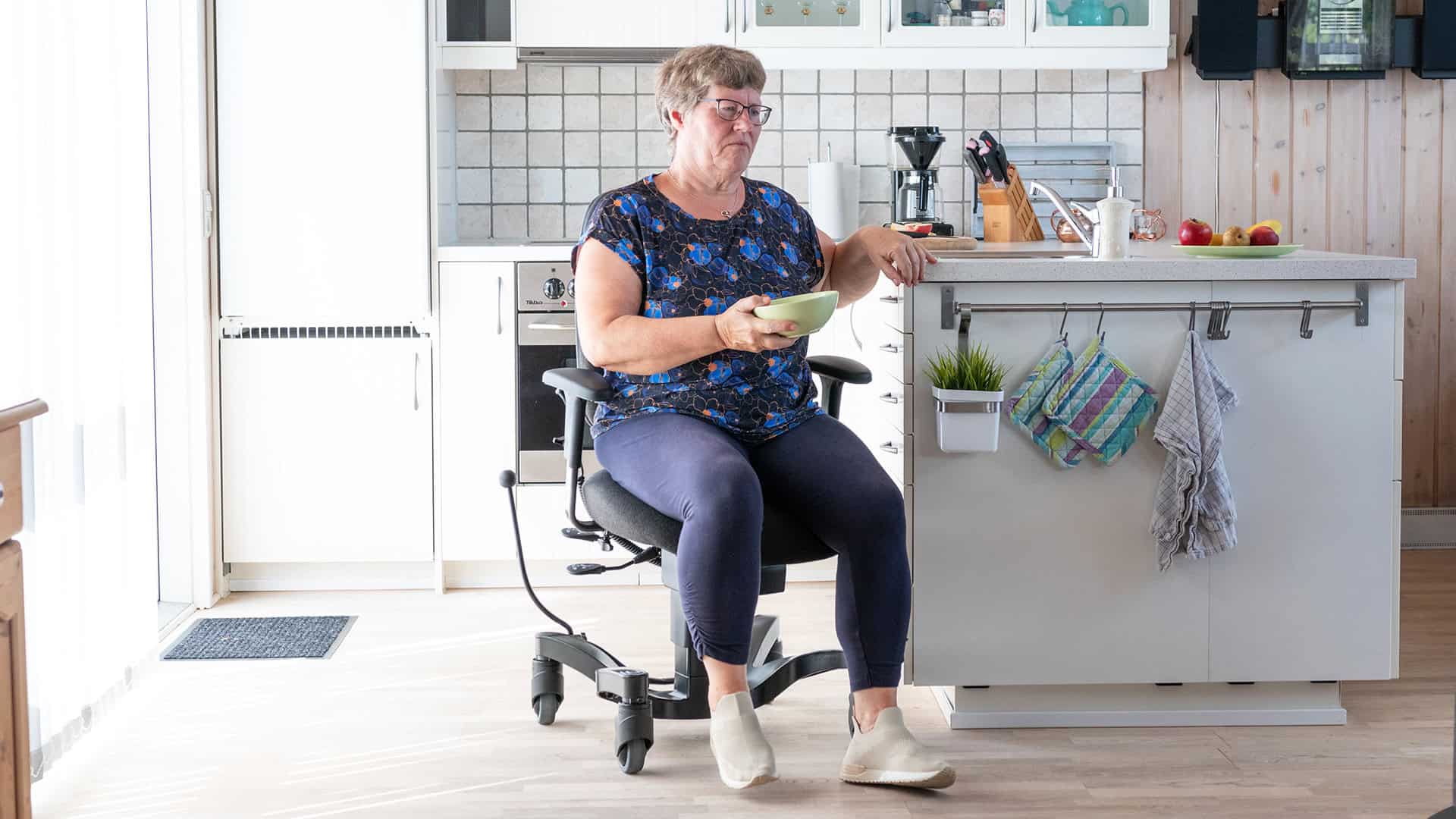
Transitioning seniors to environments where they can remain independent is a priority as many face mobility issues or other limitations. While nursing homes serve a vital role, many older adults seek to maintain autonomy in their own homes. Here, solutions like VELA mobility chairs come into focus, enhancing independence and safety. VELA chairs are medically approved mobility solutions designed for home use, providing enhanced safety, freedom of movement while seated, and support for daily activities such as cooking, dressing, or transferring. This reduces reliance on informal caregivers, extending independence at home rather than transitioning prematurely to a facility.
Modern resident profiles increasingly include the use of integrated AI assistants, wearable devices like smart glasses, and remote monitoring technologies. For example, smart glasses with AI-powered scene interpretation offer visually impaired users real-time information about their environment, promoting autonomy and participation. Remote fall detection, medication management, and adaptive smart furniture now play vital roles in allowing seniors to age in place safely and comfortably.
First Aid for the Blind, 2025,
Clinton Health Access Initiative & ATscale, 2025
An effective assisted living resume integrates skills, certifications, experience, and regulatory awareness. As you craft your path, relying on authoritative recommendations, such as those from Medicare.gov, can provide further insights. By showcasing your readiness and commitment, you position yourself as a valuable asset in the senior living sector—a field where your expertise and compassion can profoundly impact the lives of many.
VELA Chairs represent a practical means of supporting aging in place, allowing individuals to prolong their independence at home. These chairs offer a central brake system that heightens safety and electric height adjustability to facilitate ease of transfers, making everyday activities like cooking or getting dressed more manageable. With the ability to move and maneuver easily while seated, users experience greater freedom, dignity, and energy conservation. This can delay the need for nursing home care considerably. While many solutions are available, VELA is a proven option that combines safety and functionality, helping to reduce caregiver dependency and empower individuals in their daily lives. Assisted Living Mobility Solutions like VELA are essential tools in promoting independence and enhancing the quality of life for seniors.
Sources:
- Cognitivemarketresearch.com — Assistive Technology Market Report 2025
- Letsenvision.com — Future of Assistive Technology & AI Assistants, 2025
- Innocaption.com — Top 5 Technologies at CSUN 2025
- First Aid for the Blind — Meta Ray-Ban smart glasses with Live AI, 2025
- Clinton Health Access Initiative & ATscale — 2025 Assistive Products Market Report
- Journal of Visual Impairment & Blindness — Special Issue, 2025
- Assistive Technology Industry Association — Industry updates, 2025