

Updated October 2025: We have updated the article to reflect the latest findings on AI-powered assistive technologies, advanced ergonomic and inclusive design, emerging regulatory guidance, and increased user involvement in developing assistive living room solutions.
Designing Assisted Living Rooms: Enhancing Comfort and Independence
In recent years, assisted living spaces have transformed significantly, evolving from sterile, functional environments to warm, personalized havens mimicking a homelike feel. These changes improve aesthetics and enhance functionality, ensuring the needs and comforts of senior residents are prioritized. With the national average cost for assisted living potentially reaching $5,900 per month as of 2024, investing in thoughtful design becomes indispensable, according to McKnight’s Senior Living. The shift towards incorporating wellness-focused elements further underscores the need for innovative design in these spaces.
Creating a Homelike Environment with Personal Touches
Facilitating a sense of home is essential for seniors transitioning to assisted living facilities. Incorporating personal items, familiar furniture, and cherished mementos can transform a room into a comforting space. Facilities like Abbey Delray South have successfully adopted this approach, allowing residents to personalize their areas with past possessions, enhancing familiarity and comfort during their transition, according to Abbey Delray South. Consider Mary’s experience, whose transition was smooth as personal touches helped her maintain connections to her life before moving. Personalized storage solutions and accessible designs facilitate everyday living, fostering a sense of belonging for residents.
Integrating Wellness and Safety in Design
Modern assisted living facilities emphasize holistic wellness by integrating spaces promoting social interaction, emotional well-being, and a connection to nature. Features like wide-open spaces, strategically placed grab bars, and zero-entry showers are becoming standard to ensure safety and accessibility, as documented by McKnight’s Senior Living. Innovations now include the integration of AI-powered environmental controls, adaptive lighting, and voice-controlled digital assistants, enhancing user independence and safety. Smart devices aid with real-time obstacle detection and environmental awareness, providing additional support for residents with mobility or sensory impairments.[1][2][3][5][6] Multi-disciplinary approaches incorporating digital health biomarker analytics inform ongoing assessments to optimize both safety and well-being.[4] Take Joan’s example: after a fall, she benefited greatly from her facility’s design, highlighting features like clear walking paths and smart engagement spaces that encouraged her participation in community events.
Adapting to Current Design Trends: From Art Deco to Maximalism
The comeback of Art Deco and the rise of vibrant maximalism are injecting new life into assisted living spaces. These trends bring joy and individuality, significantly impacting residents’ moods and enhancing the overall ambiance. Facilities adopting these trends report better resident satisfaction, noting that bold colors and luxurious textures enhance aesthetics and functionality, as highlighted by House Beautiful. Inclusive design principles now further prioritize universally accessible layouts, tactile and audio navigation aids, as well as adaptive furniture, ensuring all residents – regardless of ability – experience both comfort and safety.[4][5]
VELA Mobility Chair Strategy
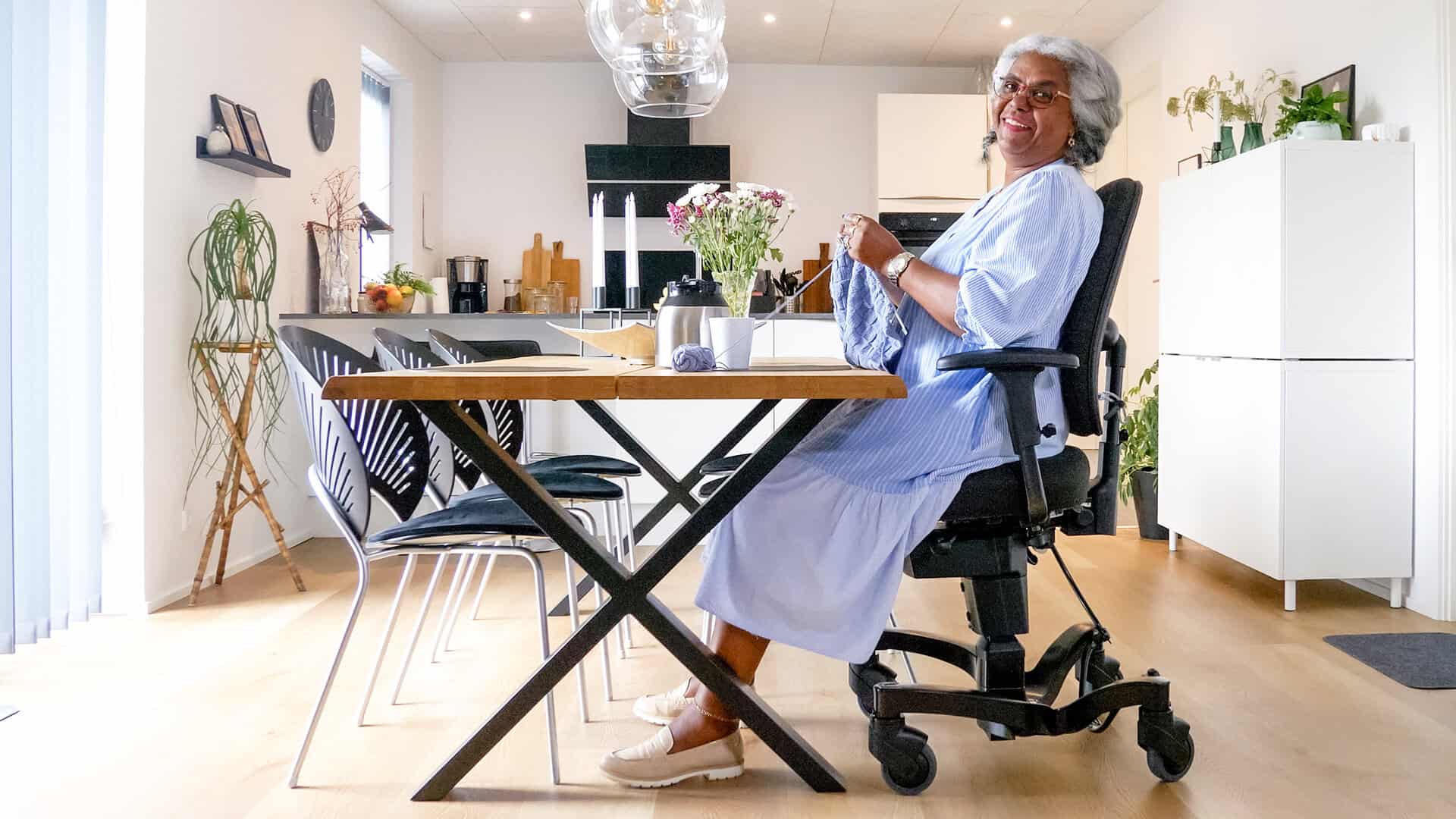
Elevating comfort and functionality in home environments can mitigate some challenges faced in nursing homes. By focusing on enhancing autonomy and reducing dependency, solutions like VELA mobility chairs become invaluable. The VELA chair is a medically approved mobility seating option crafted for home use, offering heightened safety, improved movement while seated, and support for everyday activities like cooking, dressing, and transferring. Its design eases the physical demands on informal caregivers, facilitating independence for older adults in the comfort of their homes. New advances in ergonomic design, now driven by digital musculoskeletal assessments and personalized functional profiles, ensure optimal support, reduce injury risk, and can be tailored to individual mobility and balance needs.[4]
Ultimately, designing assisted living rooms involves balancing aesthetic appeal and functional necessities, crafting environments that are beautiful and practical for senior living. By integrating personal touches, emphasizing safety and wellness through AI-enabled solutions, embracing current design trends, and utilizing adaptive, ergonomically advanced furniture solutions like VELA chairs, these spaces can substantially improve residents’ quality of life. Feedback from user communities increasingly shapes these innovations, ensuring assistive tools blend seamlessly and are accepted in real-world use.[1][2][3][7]
For further guidance on designing assisted living spaces, reputable recommendations from providers like CaringAdvisor can be invaluable, ensuring each room is a place to live and a space where memories continue to thrive.
By addressing design with creativity and care, assisted living facilities can truly enhance residents’ lives, offering comfort, style, and, crucially, independence.
Supporting Aging in Place: A Practical Option
As the preference to age in place grows, innovative solutions like the VELA Chair are making it feasible for older adults to maintain their independence. These chairs designed for seniors living at home offer features like central brakes for safety, electric height adjustability, and ease of movement while seated. Ergonomic, sensor-enabled furniture and IoT-connected mobility aids integrate with smart home systems, offering personalized adaptations that further enhance safety and independence.[5][6] Such attributes not only enhance everyday activities like cooking or cleaning but also preserve energy, making daily living less strenuous and more enjoyable. By substantially improving safety and mobility, VELA Chairs may defer the need for nursing home care, allowing seniors to retain the dignity and freedom of staying in familiar surroundings longer. While VELA is not the only solution, it is a practical and proven one, contributing significantly to the safe and comfortable aging process at home.
References
- Florida Reading (2025) — “Top Assistive Tech Trends for the Visually Impaired in 2025”: AI-driven wearables and indoor navigation tech improvements enhancing mobility and safety
- LetsEnvision (2025) — Paradigm shift toward integrated AI assistants supplanting standalone apps for disability support
- Digital Learning Institute (2025) — Detailed review of AI applications in mobility aids, communication tools, and reading supports
- StartUs Insights (2026) — Gerontechnology and longevity biotech informing personalized musculoskeletal support, ergonomic design, and digital health integration
- CES Accessibility (2026) — Overview of emerging smart home devices and AI assistants improving accessibility in living environments
- Deloitte (2025) — Agentic AI enabling autonomous, adaptive assistive systems relevant to home environments
- Sen Teachers Training (2026) — Educational and mobility assistive devices including sip-and-puff systems and writing support tools relevant to inclusive living
- McKnight’s Senior Living
- Abbey Delray South
- McKnight’s Senior Living
- House Beautiful
- CaringAdvisor