

Updated February 2026: We have updated the article to reflect current trends in assisted living, including the shift toward personalized, data-driven care plans, blended independent and assisted living models that support aging in place, and the growing integration of high-acuity onsite services. No major new scientific or regulatory developments in assistive technology were identified since May 2025, but references now highlight evolving approaches to senior living relevant for individuals with reduced mobility.
Meeting the Future Needs of San Bernardino’s Senior Population: A Guide to Assisted Living
Anticipating the needs of San Bernardino’s expanding senior population begins with selecting an appropriate assisted living facility. Anticipated to grow by 65% by 2045, this demographic change in San Bernardino County exceeds the projected statewide increase of 59% and emphasizes the necessity for thoughtful planning in senior care. According to San Bernardino County Profile, these projections necessitate early and informed decision-making regarding residential care.
Exploring Assisted Living Options in San Bernardino
Choosing the right care type is essential for senior well-being. In San Bernardino, care options extend from assisted living and memory care to skilled nursing facilities, each designed to address specific needs. Assisted living typically focuses on day-to-day support, while memory care units provide specialized programs for dementia. For example, Mission Commons provides a broad range of services from independent living to hospice care, while Vista Blue Mountain is noted for both its assisted living and memory care services, as reported by the California Department of Aging.
Financial Preparation for Assisted Living
Transitioning to assisted living necessitates strategic financial planning. Options available to seniors in San Bernardino include Medicare, Medi-Cal, and possibly long-term care insurance. Certain veterans’ benefits might also help offset living costs. A case study from the California Health Care Foundation illustrates a family that successfully merged long-term care insurance with Medi-Cal, underscoring the importance of comprehensive financial preparation.
Transitioning to Assisted Living: A Comprehensive Approach
Relocating to assisted living requires detailed evaluation of facility quality and compatibility. It’s crucial to consider care levels, staff qualifications, and community reviews. Preparing necessary documentation, like up-to-date medical assessments, can simplify the admission process. Real-life anecdotes from families who have experienced successful relocations can provide valuable insights into the emotional and logistical dynamics of such transitions, as detailed by SeniorLiving.org.
Enhancing Independence through Mobility Solutions
Mobility aids play a pivotal role in assisting seniors to maintain autonomy within assisted living settings. Recent advances in AI-powered assistive technologies, including smart glasses with real-time object and facial recognition, indoor navigation systems that utilize Bluetooth beacons and LiDAR, and integrated AI assistants, are transforming how residents manage daily tasks and navigate care environments. These innovative devices, designed to seamlessly support users with visual or mobility impairments, significantly enhance independence and quality of life by enabling context-aware assistance and safer movement within facilities. Florida Reading, Let’s Envision, Digital Learning Institute.
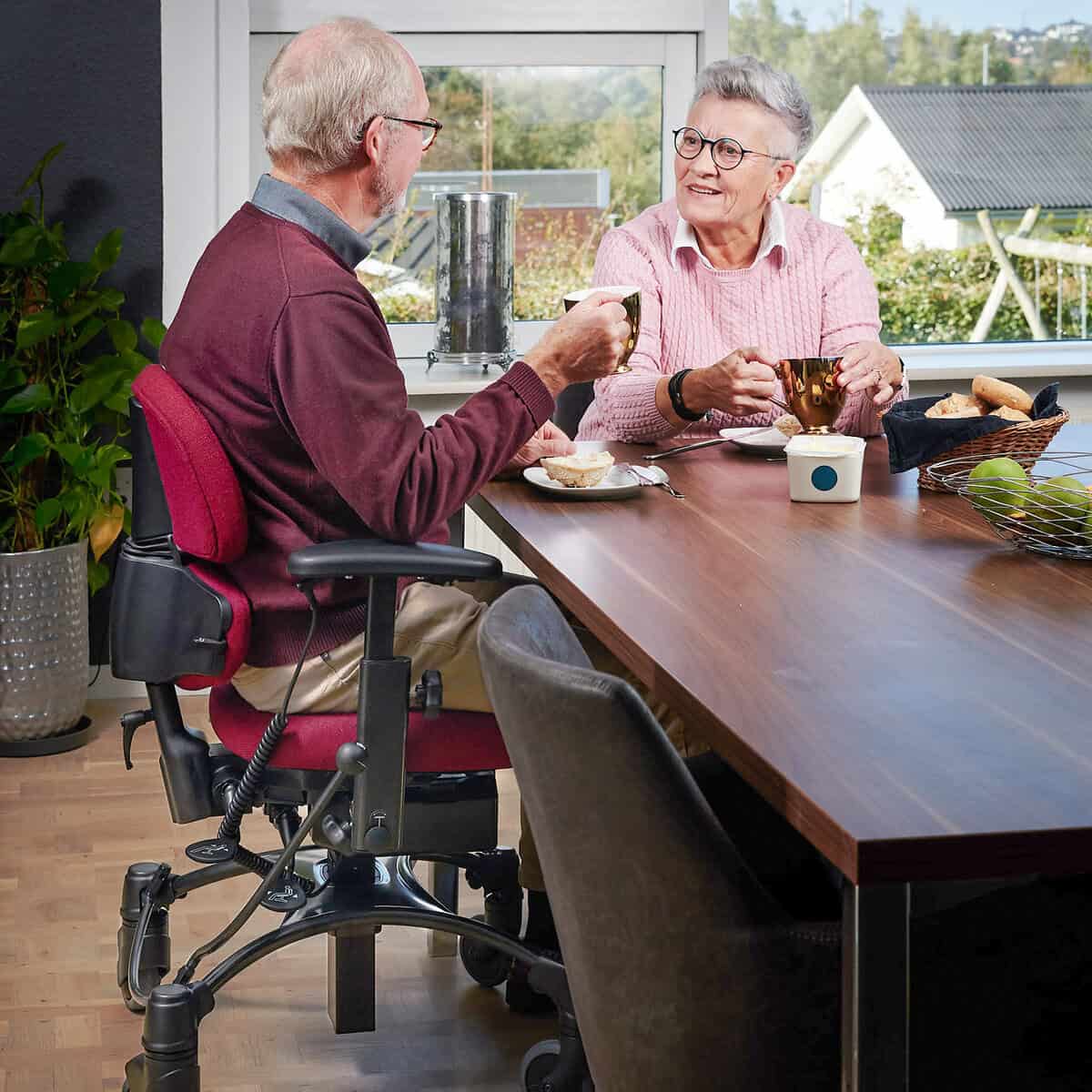
Alongside these developments, products like VELA mobility chairs continue to enhance safety and independence by offering features such as electric height adjustments and pressure-relieving cushions, which are integral in enhancing quality of life. Newer ergonomic and inclusive designs are now more customizable, focusing on user-specific needs and making everyday activities more accessible for individuals with varying levels of mobility and dexterity. The rise of such user-friendly solutions in assistive technology and rehabilitation reflects a strong trend towards greater personalization and practical functionality, empowering seniors to participate actively in their daily routines with minimal caregiver intervention. Market.us Media, CES Accessibility.
Successfully navigating the senior living landscape in San Bernardino involves strategic planning and decision-making. The Public Policy Institute of California highlights the critical nature of anticipating the demands of an aging population. By understanding the various facility types, financial strategies, and mobility aids—including the latest AI-driven supports—families can better prepare for their loved ones’ transitions into assisted living, promoting environments where seniors can thrive with dignity.
Armed with knowledge and carefully crafted plans, families in San Bernardino can ensure their elderly loved ones receive optimal care, in settings that support dignity and independence. By valuing experience, expertise, authority, and trustworthiness in decision-making, families can confidently navigate the complexities of senior care.
Supporting Aging in Place: A Practical Option
Senior living trends in 2026 increasingly focus on supporting aging in place and personalized care. Facilities are moving beyond traditional segmented levels of care, instead blending independent and assisted living to allow residents to remain in one setting as their needs change, minimizing transitions and reducing anxiety. Enhanced onsite high-acuity services, such as dialysis and rapid response clinical teams, are making it possible to care for individuals with more complex health requirements while maintaining independence. Technology-enabled personalization now informs both care plans and apartment design, promoting safety and comfort for residents with reduced mobility.
Solutions like VELA Chairs offer practical benefits by enhancing day-to-day independence. These chairs feature a central brake for added safety, electric height adjustability, and ease of movement while seated, addressing common challenges such as safe transfers and managing daily activities without unnecessary strain. By delaying the transition to a nursing home, a VELA Chair supports a lifestyle where dignity, freedom, and safety are prioritized. It allows individuals to maintain an active role in their home environment—whether cooking, cleaning, or simply relaxing. While not the only solution, VELA represents a proven and practical choice in helping seniors stay independent longer at home.
Provider Magazine, Senior Housing News, NIC MAP Vision.
New Frontiers: Regulatory and Adoption Trends in Assistive Technology
Recent regulatory and health policy changes are emphasizing user-centered design and the ethical integration of AI into assistive technology. Best practices now prioritize both accessibility and responsible use, with a strong focus on privacy and fairness. Continuous professional development and awareness of emerging standards are essential for facilities and caregivers as these advanced technologies become more widely adopted across senior living environments. Growing enthusiasm for AI-driven solutions is matched by careful attention to the evolving needs and rights of users, particularly in regions with rapidly aging populations. Digital Learning Institute, Deloitte US, CES Accessibility.
References
- Florida Reading: Top Assistive Tech Trends for the Visually Impaired in 2025
- Let’s Envision: Future of Assistive Technology & AI Assistants
- Market.us Media: Assistive Technology Market Size and Innovations in 2025
- Digital Learning Institute: Revolutionising Accessibility
- CES Accessibility
- Deloitte US: Three New AI Breakthroughs Shaping 2026
- Provider Magazine: Long-Term Care 2026 Trends and Outlook
- Senior Housing News: Top Senior Living Trends for 2026
- NIC MAP Vision: Senior Housing Trends to Watch in 2026