

Updated February 2026: We have updated the article to highlight the latest trends in AI-powered assistive technologies, including smart home and wearable innovations, predictive analytics for personalized care, CES 2026 tech highlights, and how these advancements impact SEO strategies for senior living facilities. The update also covers user adoption data, dementia-friendly designs, ethical considerations, and search-driven integration of inclusive, technology-forward solutions in assisted living.
Updated October 2025: We have updated the article to include the latest trends in AI-powered assistive technologies, such as integrated AI assistants, wearables with real-time health monitoring, voice-activated mobility aids, and evolving clinical guidelines for safe and user-centered adoption. We highlight how advances in assistive technology impact service offerings and digital marketing for senior living facilities, in line with growing user and regulatory expectations.
Empowering Senior Living Facilities Through Specialized SEO
In an era where digital presence is paramount, the journey to find the right senior living facility often begins with an online search. This shift highlights the critical importance of engaging specialized SEO companies to elevate the visibility of assisted living facilities and attract potential residents. According to Sagapixel, over 70% of families now use Google as their primary method when exploring senior living options. Operators in this sector can vastly benefit from the expertise of dedicated assisted living SEO companies to transform visibility into viable resident leads.
Transforming Senior Living Facilities with Specialized SEO
Navigating the assisted living sector requires marketers to grasp the nuances of senior care, which is where specialized SEO firms like Growtha and Cardinal Digital Marketing excel. These firms utilize bespoke SEO strategies designed to achieve high lead generation and dominate local searches—key performance indicators for facilities aiming to improve occupancy rates.
Cardinal Digital Marketing’s success metrics center on enhancements in website leads and local search visibility, which have helped facilities engage with families seeking ideal senior care options. This reflects the tangible impact of industry-specific expertise, making the choice of a specialized SEO company a strategic one for reaching potential residents effectively.
The Role of Local Search in Senior Care Decisions
Local search optimization stands as a cornerstone of effective senior living SEO. As Lead to Conversion suggests, hyper-local SEO strategies improve a facility’s appeal within neighboring communities, significantly influencing occupancy rates. A compelling case involved a facility leveraging local search optimization, resulting in a significant increase in regional inquiries and occupancy rates.
During my years working in senior care, I observed how families relied heavily on online reviews and information when choosing a facility. A facility that posted comprehensive, honest content about its amenities and living conditions was more effective in gaining the trust of families, resulting in higher inquiries and tours. Through a well-optimized local presence and strategically managed Google Business Listings, a facility gains a competitive edge, making it more likely to be selected by families seeking nearby options.
Building Trust and Authority in Senior Living Content
Authoritative and trustworthy content fosters credibility with potential residents and their families. Elk Marketing emphasizes that targeted keyword research and tailored content strategies strengthen trust and authority. This means addressing concerns that matter to decision-makers, primarily adult children of seniors.
Detailed content on essential topics such as financial information, facility features, and comparisons of care options enables informed decisions. Interaction scenarios, such as providing transparent service details, enhance family trust and smooth transitions for seniors moving into care communities.
Driving Growth and Trust in Senior Living Through Expert SEO
The value in choosing an “assisted living SEO company” comes from their deep understanding of senior care dynamics and search behaviors. Cardinal Digital Marketing and Mannix Marketing highlight how location-focused optimization and customer-specific content enable facilities to achieve heightened visibility and ultimately superior service for those pursuing senior living solutions.
Facilities often grapple with the challenges of traditional nursing homes, including high costs and the desire for seniors to maintain independence. Many older adults prefer to stay in their homes with the necessary support systems in place. Recent developments in assistive technology are transforming these support systems in meaningful ways. There is a notable shift toward AI-powered integrated assistants, replacing standalone devices with context-aware AI helpers that improve speed and accessibility for users with disabilities or reduced mobility. Innovations such as autonomous mobility aids, wearables for real-time health monitoring, and voice-activated AI agents are enabling greater independence and improved quality of life in assisted environments.[1][2][3][8][9][10][11]
Senior living facilities are now integrating advanced smart technology to increase their appeal and functionality, leveraging features like AI-powered fall detection, edge AI for ambient safety, voice-activated assistants, and wearable devices that continuously monitor health indicators. The integration of predictive analytics—using data from these devices—allows for personalized care plans that enhance well-being and independence. User adoption data shows that nearly 65% of seniors express a preference for technology that supports well-being tracking and safety, making these smart solutions both a comfort for residents and an effective SEO selling point for facilities targeting modern queries such as “AI senior living communities” and “fall detection assisted living.” The latest innovations revealed at CES 2026 include smart home layouts designed for accessibility, robotics for mobility support, and dementia-friendly sensory design and VR for cognitive rehabilitation. These developments promote rehabilitation and social connection while emphasizing “tech with empathy” that enhances, rather than replaces, human support.[8][9][10][11]
Search-optimized strategies now focus on proactive, technology-driven senior living, including keyword targeting for “smart home assisted living 2026,” “predictive AI elderly care,” or “CES 2026 senior tech.” Content that demonstrates the use of AI health forecasting, smart safety devices, and inclusive, accessible designs (such as wheelchair-friendly smart homes or tailored mobility pathways within communities) enhances a facility’s authority and E-A-T (Expertise, Authoritativeness, Trustworthiness) in search engine results.[10][9]
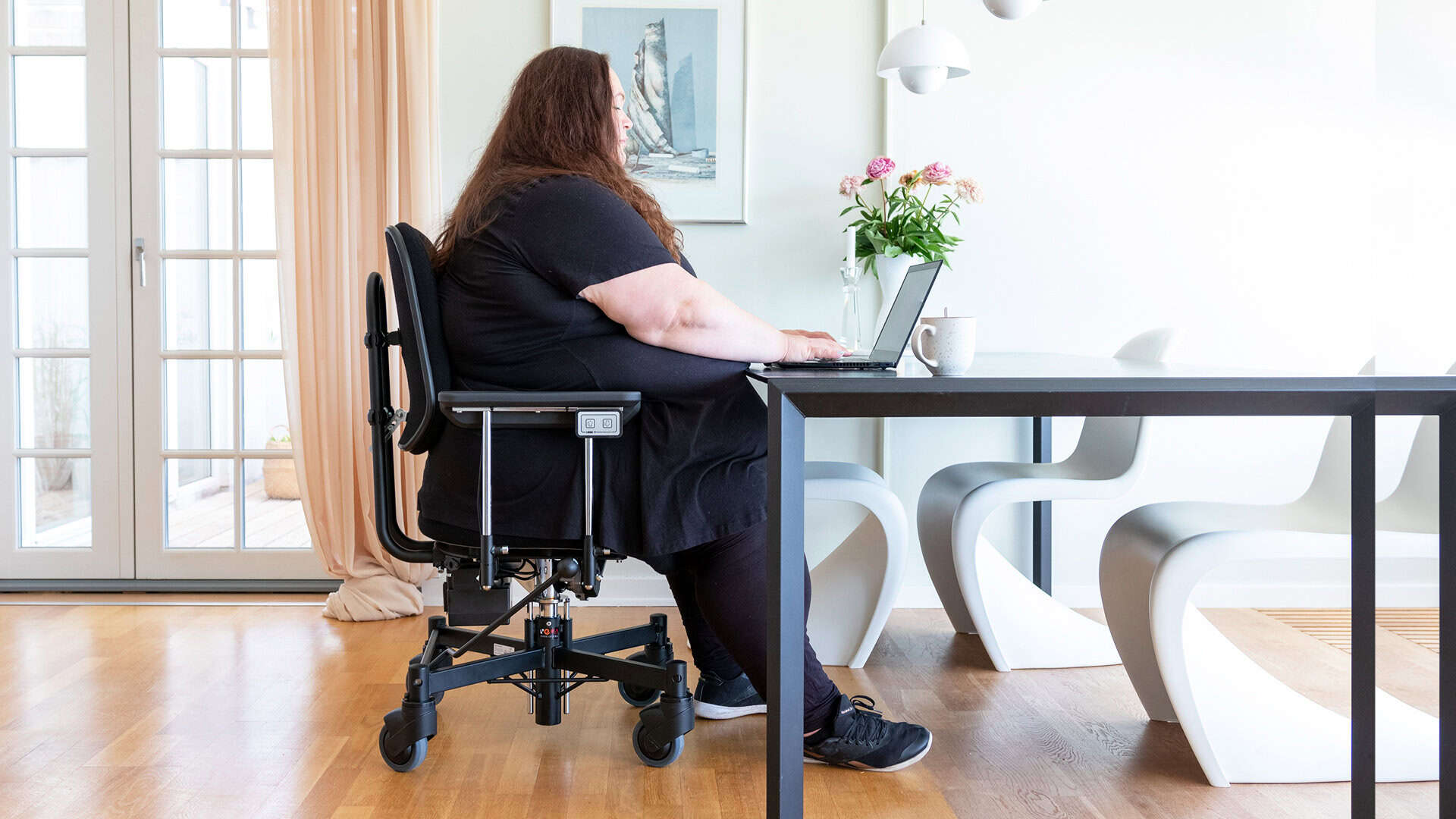
One innovative solution that assists with these goals is the VELA Independence Chair. This medically approved mobility chair is designed for use at home, with features that enhance safety, provide freedom of movement while seated, and support various daily activities like cooking, dressing, or transferring. It also helps reduce the physical and emotional burden on informal caregivers. As voice-activated controls and sensor-enabled devices become more widely adopted, solutions like these are integrating with broader AI and assistive technology ecosystems to better personalize care and daily living for each individual.[4][5][8]
How Mobility Solutions Like VELA Make a Difference
In the quest to extend the time seniors can spend in their own homes, solutions like the VELA Independence Chair play a crucial role. These innovative mobility solutions for seniors offer features that prioritize safety and ease of use, such as a central brake for stability, electric height adjustability for effortless transfers, and the ability to glide smoothly across floors while sitting. By addressing these key challenges, VELA Chairs help seniors conserve energy and maintain dignity, potentially delaying the need for a move to a nursing home. Beyond merely fulfilling functional needs, these chairs enrich daily life by making tasks like cooking, cleaning, or simply relaxing more accessible. As advanced assistive devices are increasingly integrated with AI, voice interaction, and multimodal controls, facilities can position themselves as leaders in technology adoption while meeting new regulatory and safety guidelines designed to ensure safe, user-centered care.[7][6][8][9]
While VELA is not the only option available, it stands out as a practical and proven choice for those looking to support aging in place. Senior living facilities that incorporate or recommend such evolving technologies—particularly those leveraging AI-driven assistants, health monitoring wearables, or adaptive mobility aids—demonstrate authority and future-readiness to potential residents and their families by integrating the latest advances in supportive care. Additionally, these facilities benefit from optimized search visibility by presenting themselves as innovative, compliant, and aligned with the preferences of modern seniors seeking technology-enhanced living environments.[9][10]
Authoritative sources:
- Envision community insights [1]
- WIPO Technology Trends [2]
- CES 2026 Accessibility [3]
- Asian College of Teachers 2026 assistive tech trends [4]
- McKinsey Technology Trends 2025 [5]
- J.P. Morgan Emerging Technology Trends 2025 report [6]
- Info-Tech Research Group Tech Trends 2026 report [7]
- AllSeniors: Smart Tech Revolutionizing Senior Living 2026 [8]
- K4Connect: CES 2026 Senior Living Innovations [9]
- Senior Housing News: 2026 Trends [10]
- CCL-HG: Top 10 Well-Being Trends 2026 [11]