

Updated February 2026: We have updated the article with the latest advancements in assistive technology for seniors, including smart mobility and fall detection systems, AI-powered health monitoring, robotic companions, and advanced IoT integration. The article now reflects the increased adoption of AI tools among older adults and addresses emerging trends such as predictive health analytics and socially supportive technologies in assisted living.
Assisted Living in Stow, Ohio: A Comprehensive Guide
With a burgeoning elderly population, Stow, Ohio, has witnessed an increased demand for senior care solutions. Ranked above the national average, 17.67% of Stow’s residents are aged 65 and over, underscoring the need for quality assisted living services. According to the Centers for Disease Control and Prevention, prevalent conditions in assisted living facilities such as dementia, hypertension, and mobility challenges necessitate comprehensive care strategies. This guide examines the local assisted living landscape, addressing service offerings, costs, innovations, and more.
Comprehensive senior care solutions in Stow
Assisted living facilities in Stow offer a suite of services tailored to the elderly, including personal care, medication management, and diverse social activities designed for engagement. Unlike nursing homes that provide medical care or independent living scenarios focusing on self-sufficiency, assisted living balances support with independence.
Innovation is increasingly core to resident experience. Many Stow-area facilities now integrate modern assistive technology to improve safety and independence. The latest AI-powered fall detection systems use room-based sensors—such as radar, cameras, and sound analysis—to proactively predict and prevent falls before they occur, helping reduce reliance on personal pendants and wearable buttons.1 These ambient sensors blend seamlessly into senior living environments, offering discreet and effective monitoring that supports both residents and caregivers.3
Facilities are also embracing enhanced smart home ecosystems. In addition to voice assistants, residents may benefit from gesture controls, AI-driven automation for lighting and medication reminders, and personalized safety features. The adoption of IoT integration now enables seamless communication between devices, remote caregiver monitoring, and even personalized exercise guidance. Some progressive communities provide “tech concierge” services, offering residents hands-on help to adopt and troubleshoot new technologies, further removing barriers to digital access and positive user experience.38
Emerging solutions such as robotic companions and exoskeletons are also beginning to address both physical mobility limitations and the risks of social isolation, helping foster engagement and emotional well-being.13
For instance, Maplewood at Cuyahoga Falls is known for its high resident satisfaction, providing a nurturing environment supported by testimonials like, “The staff is exceptionally caring. My mother’s transition was seamless.” Similarly, Danbury Woods is praised for its attention to personalized dietary and mobility needs, highlighting the facility’s commitment to personalized care.
Meeting the unique health care needs of Stow’s elderly population
Understanding Stow’s elderly population is crucial in meeting their healthcare requirements. Predominant health conditions such as dementia and hypertension are common, with families often seeking facilities that offer specialized care plans. According to the National Center for Assisted Living, assisted living’s objective is to cater to activities of daily living while promoting resident autonomy.
Sophisticated, AI-driven monitoring enables more proactive care for chronic health needs. Customizable devices—including AI-powered smart glasses for navigation and object recognition, as well as fitness wearables—allow seniors and caregivers to monitor health indicators, mobility patterns, or medication adherence in real time. These wearables and smart devices are now part of a broader shift to predictive analytics, enabling early detection of health issues such as urinary tract infections, nutritional deficiencies, and disease progression.48
These technologies also allow for virtual consultations and enhanced daily oversight, especially for those with mobility limitations. Global innovation and inclusive design have brought affordable, adaptable devices—such as customizable controllers and smart home adaptions—making assistive technology more accessible. Significantly, recent statistics show that 30% of older adults are now using AI tools, with increased interest in health-focused applications, though residents and caregivers remain attentive to best practices for privacy and data security.56
Consider a scenario where a senior with mobility limitations requires specialized care—local facilities like Eden Vista Stow are equipped to manage such scenarios effectively. These institutions offer tailored mobility solutions, assuring families of a supportive environment.
Financial considerations for assisted living in Stow
Financial planning is a critical component of transitioning to assisted living. In Stow, monthly costs range from $4,623 to $5,390, influenced by care level and amenities offered. According to A Place for Mom, while these costs are slightly below Ohio’s state average, they hover above national averages, reflecting the tailored services provided locally.
In a typical scenario, a family planning for a senior’s transition might compare costs and amenities among facilities, such as Vitalia Senior Residences, helping them select a setting that balances budgetary constraints with the requisite care quality.
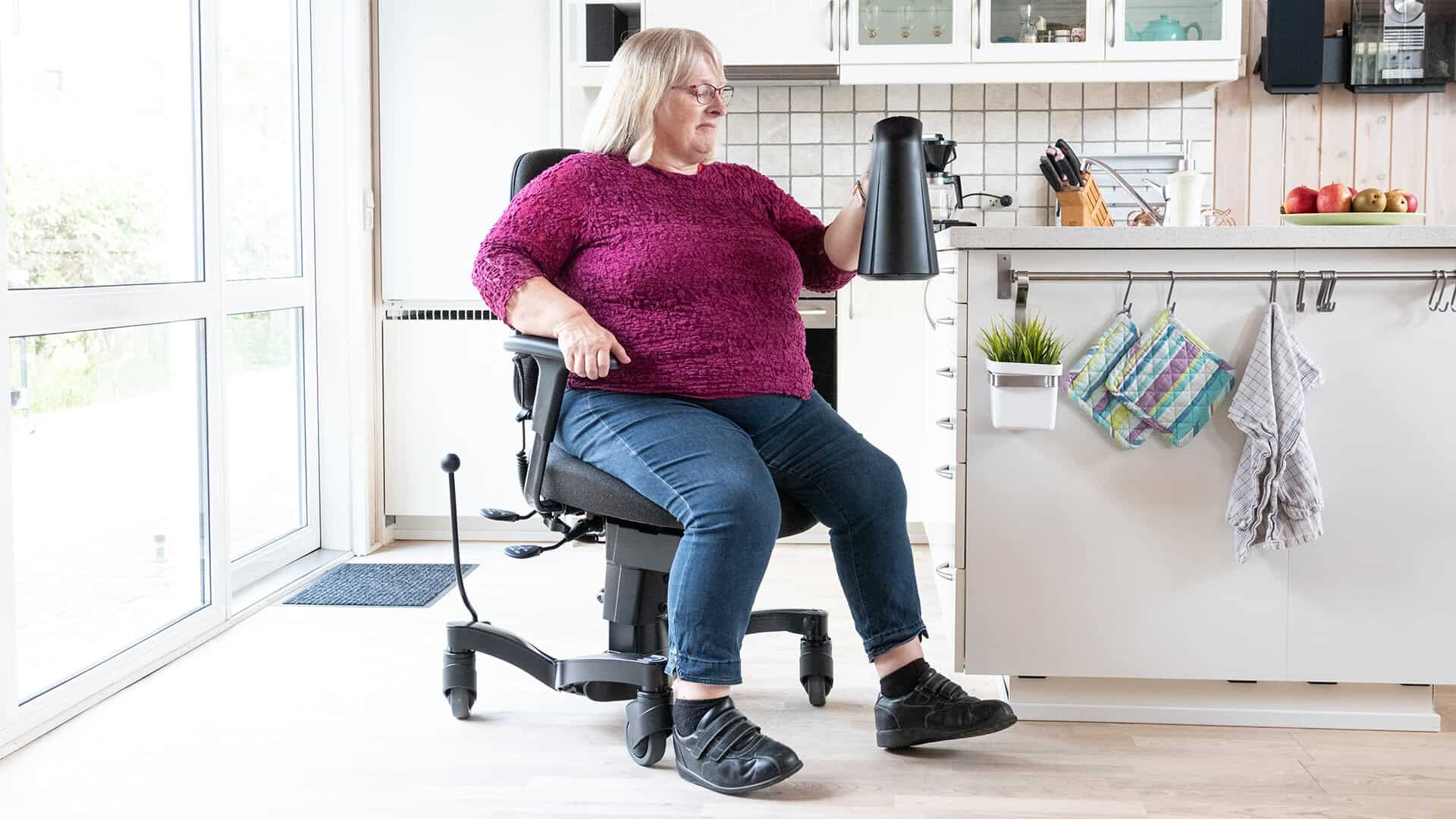
Facilities support residents in various ways, but maintaining independence in daily activities can still be a challenge. For individuals facing mobility issues, support tools like the VELA Independence Chair offer a promising solution. This medically approved mobility chair is specifically designed for home use, prioritizing safety, freedom of movement, and easing daily routines such as cooking, dressing, and transferring, while simultaneously alleviating the stress on caregivers. VELA chairs, known for their mobility and fall-prevention capabilities, are integrated among many local facilities.
These chairs embody a fusion of safety features, offering powered height adjustments and secure transfer operations—pivotal in fostering independence among residents. Such innovation not only aids residents but also eases caregiver responsibilities, creating a holistic care environment.
Final thoughts on assisted living choices in Stow
Choosing the right assisted living facility significantly influences a senior’s quality of life. Emphasizing personalized care and integrating modern solutions like assistive technologies, Stow’s offerings stand out. The ongoing adoption of ambient sensors, AI monitoring, and connected smart home ecosystems helps facilities align with best practices, including integrated care models such as PACE (Program of All-Inclusive Care for the Elderly), which combine medical, social, and technological supports to help seniors age in place successfully.1 Recommendations from the Ohio Department of Aging underscore the importance of assessing facilities’ compliance with regulatory standards and exploring innovative care solutions like those offered by local providers. With thoughtful consideration, families can find a supportive environment that meets their elder’s needs, promoting dignity and well-being in their golden years.
- 2025 Top Trends in Aging Services – Health Dimensions Group
- Technology for Aging 2025 Market Overview – Aging and Health Technology Watch
- A Guide to Useful Technology for Older Adults in 2025 – Seniors Bluebook
- Assistive Technology Statistics and Facts (2025) – Market.us Media
- Disabled and Elderly Assistive Device Market 2025–2030 – NextMSC
- The Future of Senior Living: What Seniors Can Expect in 2026 – Standards Sunrise Foundation