

Updated January 2026: We have updated the article with the latest advancements in AI-powered and autonomous mobility aids, including smart wheelchairs with lidar navigation, stair-climbing robotics, neural interface technologies, new options for app-based control and pressure monitoring, and recent trends and awards from CES 2026. These updates highlight both emerging solutions and greater emphasis on ethical, equitable access in assisted living.
Exploring Assisted Living Opportunities in Torrington, CT
Finding the perfect assisted living community can be a daunting task, but Torrington, Connecticut stands out as an appealing destination for retirees, thanks to its affordability, safety, and high quality of life. Situated in Litchfield County, Torrington boasts an aging population with 16.56% of its residents aged 65 and older, mirroring the national average, according to Neilsberg Insights. These statistics underscore the city’s reputation as a “dream town” for seniors, offering a vibrant, well-regulated environment for quality elder care. According to the Connecticut Department of Public Health, strict regulations are in place to ensure assisted living facilities provide superior care and uphold resident rights.
Understanding Assisted Living Choices in Torrington, CT
Assisted living serves as an optimal solution for older adults who need more support than independent living can offer but still wish to maintain autonomy. Typically, seniors benefiting from these services are those who experience mobility issues, chronic health conditions, or a desire for improved social engagement. In Torrington, facilities like Keystone Place at Newbury Brook provide supportive environments where seniors can thrive. A common scenario involves seniors with mobility limitations finding a supportive community in places like Keystone, where specialized programs and facilities enhance their quality of life. Recent innovations in assistive technology, such as the integration of AI-powered exoskeletons, smart prosthetics, and autonomous wheelchairs with app-based controls and lidar navigation, are contributing further to enhanced independence and wellbeing for residents in these communities [1] [2] [3].
Top-Rated Assisted Living Facilities in Torrington
- Keystone Place at Newbury Brook: This community is highly praised for its upscale amenities and strong emphasis on wellness programs, as detailed in Senior Living. Residents and their families appreciate the friendly staff and comfortable living arrangements.
- The Cottage at Litchfield Hills: Known for its dedicated memory care and community-driven approach, this facility offers an enriching environment that focuses on safety and vibrant social programs, according to a review summary from Caring.com.
- Litchfield Woods Health Care Center: Offering a continuum of care approach, this center provides a seamless transition for residents as their healthcare needs evolve. It stands out for its personalized care and homelike atmosphere, as noted on their official site.
Testimonials from residents highlight the supportive environments and attentive staff that make these facilities special parts of the Torrington community. Particularly, Litchfield Woods Health Care Center is recognized for its rehabilitative services that allow residents to age in place comfortably. In addition to traditional approaches, leading communities are embracing the latest in assistive technology: smart mobility solutions now include autonomous wheelchairs with AI-powered obstacle detection, app-based controls, lidar-guided navigation, and intuitive voice or gesture interfaces. Devices such as the Robooter X40 and LUCI smart wheelchairs, spotlighted at CES 2026, exemplify these recent advancements. Add-on propulsion systems like WheelMove (with up to 25 km range, launching mid-2026) and all-terrain robotic chairs such as the XSTO X12 for stair climbing are also expanding options for accessible, personalized care and improved autonomy [2] [3].
Affordability and Funding Options for Assisted Living
Assisted living in Torrington generally costs around $5,200 monthly, which is comparable to the state average, according to Paying for Senior Care. This cost typically includes housing, meals, housekeeping, and healthcare services. Funding these services can be a concern, but options exist to alleviate financial burdens. Medicaid assistance and state-specific financial aid programs are available to qualifying residents, providing crucial support. In response to the latest wave of innovation in assistive technology, public and private programs, insurance, and policy incentives increasingly help fund the integration of advanced devices such as modular upgrades, all-terrain solutions, and brain-computer interface systems in assisted living. Highlighted at CES 2026, exhibitors such as WheelMove, XSTO, and MaaS-Bridge are bringing attention to broader funding accessibility and insurance tools for smart mobility solutions. Ethical and equitable access remains a focus at leading industry conferences, such as Duquesne University’s and University of South Carolina’s 2026 events, where discussion centers on ensuring emerging technologies are accessible to all [2] [3] [7] [9].
Enhancing Quality of Life: Mobility and Social Engagement Solutions
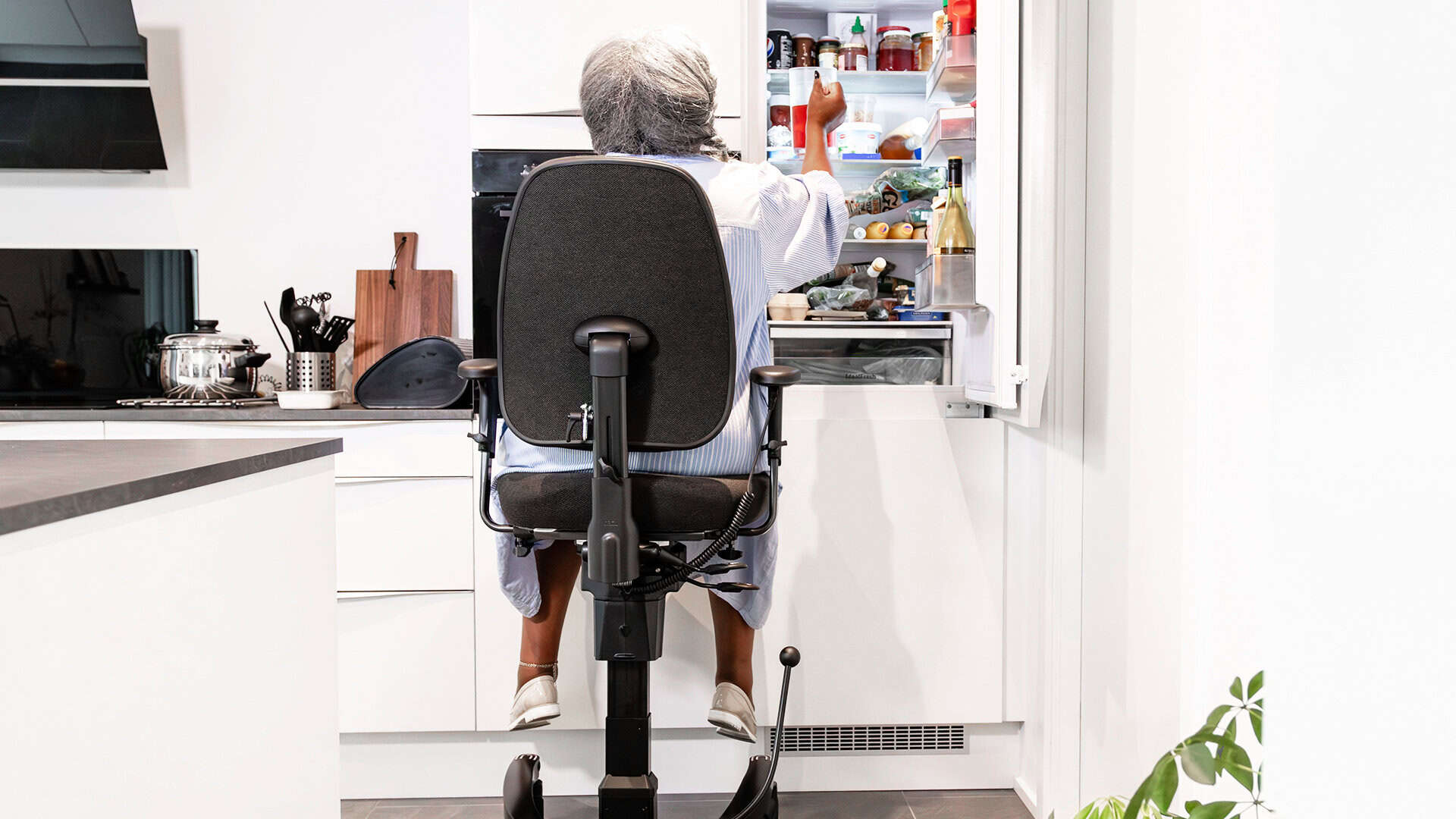
In assisted living communities, social engagement and wellness programs are essential for promoting a high quality of life. Encouraging participation in various activities fosters a sense of community and enhances mental well-being. For elderly individuals facing the challenges of maintaining independence within their own homes, solutions like the VELA Independence Chair offer invaluable support. This medically approved mobility chair is specifically designed for home use and provides enhanced safety and freedom of movement while seated. With features supporting daily activities such as cooking, dressing, or transferring, it reduces the physical burden on informal caregivers, thereby promoting a more autonomous lifestyle for older adults.
Recent advances introduce not only wearable AI-powered smart glasses (such as iSee) for navigation and text/image recognition, but also brain-computer interface (BCI) prosthetics and neural implant trials bridging spinal injuries to restore natural mobility. All-terrain wheelchairs, pressure and posture sensing systems, and accessible controls including sip-and-puff and mobile app interfaces support high engagement and safety. Smart wheelchairs integrate autonomous navigation, lidar obstacle avoidance, mixed-traffic awareness (as with the CES-awarded SEERU platform), and real-time health monitoring, giving residents greater independence and peace of mind. These developments emphasize user-centered, ergonomic design and involve feedback from caregivers and healthcare professionals to ensure practical daily benefits and improved mental health outcomes [2] [3] [6] [7] [9].
Supporting Aging in Place: A Practical Option
For many seniors, the ability to remain in their own home is a cherished goal. Mobility solutions such as the VELA Independence Chair play a crucial role in helping individuals achieve this by providing essential support that enhances their quality of life. These chairs are designed to address specific challenges related to safety, energy, and ease of movement. Features like electric height adjustability and a central brake mechanism ensure safety and comfort, making it easier for users to engage in daily activities such as cooking and cleaning. With the help of such senior chairs to promote safety and comfort, seniors can delay or avoid transitioning to a nursing home, preserving their dignity and independence for longer. In addition to established products, options now include wearable robotic exoskeletons, neural interface-controlled mobility aids, modular power add-ons, and stair-climbing solutions. These developments support aging in place and are increasingly integrated with smart home technologies and remote care systems. Current best practices, highlighted at industry conferences and in award programs, also emphasize ethical implementation and the promotion of equitable access for all, particularly in resource-limited settings [2] [3] [6] [7]. The World Health Organization’s recommendations continue to emphasize universal access, affordability, and safety standards for all forms of assistive technology.