

Updated September 2025: We have updated the article to include new guidance on integrating smart technologies, AI-driven health systems, telehealth infrastructure, wearable devices, and regulatory compliance into your assisted living tour checklist, reflecting the latest trends and priorities in resident-centered design and technological integration.
Comprehensive Assisted Living Tour Checklist: A Detailed Guide for Families
Embarking on the search for the ideal assisted living community for yourself or a loved one is a substantial endeavor. An organized tour checklist is crucial for systematically evaluating potential residences. This guide aims to assist you in assessing essential attributes of communities, enabling informed and confident decision-making.
Evaluating First Impressions and Community Ambiance
Your initial visit to an assisted living facility can reveal much about the environment:
- Neighborhood Safety: Is it a serene area conducive to regular family visits?
- Facility Attractiveness: Are the buildings and grounds visually appealing and well-kept?
- Staff Interactions: Observe how staff engage with residents to gauge their commitment to personalized care.
Warm and genuine staff interactions can significantly impact family decisions. As noted by A Place for Mom, personal connections cultivate trust and confidence.
Emphasizing Safety and Security Features
Safety features are fundamental when choosing an assisted living community:
- Emergency Systems: Verify the presence of comprehensive protocols and 24/7 assistance.
- Mobility Accommodations: Check for essential accessibility features like grab bars and handrails.
- Smart Access Controls: Ask about smart building automation and mobile device-enabled access for residents and controlled remote safety oversight by staff.
- AI-Enhanced Safety Technologies: Determine if AI-driven monitoring systems or predictive analytics are employed for fall detection and health event alerts.
In a documented case, a resident found increased safety through robust emergency protocols, underscoring their crucial role. Raya’s Paradise highlights that a detailed review of these features is vital for peace of mind. Modern communities increasingly rely on AI and smart technologies to improve resident security and well-being [ButterflyMX, 2025].
Customizing Resident Living Spaces for Comfort
The personalization of a resident’s space profoundly impacts their comfort and emotional well-being:
- Privacy Options: Consider if the facility offers a choice between private or semi-private quarters.
- Room Customization: Can residents personalize their living spaces with familiar items?
- Wearable Health Technology Compatibility: Confirm the facility supports wearable health monitors such as smartwatches and rings that enable continuous monitoring of resident well-being.
One family shared how personalizing their mother’s room eased her transition into the community, as noted by Freedom Pointe, emphasizing that comfort is integral to resident satisfaction. Updated community models further encourage technological integration for health tracking and personal safety [HBR Health Care, 2025].
Exploring Dining and Engagement Opportunities
The quality of dining options and resident activities heavily influences overall satisfaction:
- Meal Quality and Variety: Assess the quality and variety of meals and the dining ambiance.
- Lifestyle Programming: A robust and engaging activity schedule is vital for resident well-being.
- Telehealth & Virtual Services: Inquire about the availability of on-site or in-apartment telehealth infrastructure for remote medical consultations and mental health support.
- Technology for Social Engagement: Check if the community leverages technology to promote social activities and easy access to resident-centered programs.
Real-world examples demonstrate that communities offering diverse and engaging programs result in higher resident satisfaction. Caring.com’s checklist underscores the importance of a well-rounded lifestyle offering. Best-in-class facilities now integrate telemedicine and wearable monitoring to enhance overall engagement and healthcare on-site [A Place for Mom, 2025].
Balancing Emotional and Practical Considerations
A comprehensive assisted living tour checklist ensures you evaluate potential communities thoroughly, balancing emotional warmth with practical necessities. This approach aids in selecting a facility that aligns with both the resident’s and family’s needs. According to Senior Living Residences, making an informed choice involves focusing on quality care, amenities, and fostering a welcoming atmosphere that feels like home. Today, it is also important to evaluate ergonomic, sensory-friendly, and cognitively supportive design elements for memory care, alongside smart technology that is intuitive for residents to use [Juniper Communities, 2025].
Key Considerations Before Making a Decision
After your tours, consider the following steps:
- Conduct Follow-up Visits: Revisit top communities at different times and days for varied perspectives.
- Create a Comparison Chart: List pros and cons based on your priorities for each community.
- Financial Review: Have contracts reviewed by a financial advisor to understand all costs and commitments.
- Consider Trial Stays: If available, a trial stay can provide firsthand experience of the community.
- Plan for Transition: Discuss the move-in process and orientation for new residents.
- Check Regulatory Compliance: Ensure the facility demonstrates transparency about health monitoring platforms, data security, interoperability with healthcare providers, and compliance with outcome-based care standards.
- Assess Technology Support: Ask about resident education on new technologies to promote independence without undue complexity.
This comprehensive checklist not only guides you through evaluating community attributes but also prepares you for making a considerate and well-informed decision that aligns with your priorities and resources. Contemporary best practices recommend ensuring communities adopt technology as a seamless aspect of daily living, facilitating autonomy and safeguarding personal dignity [ButterflyMX, 2025] [HBR Health Care, 2025].
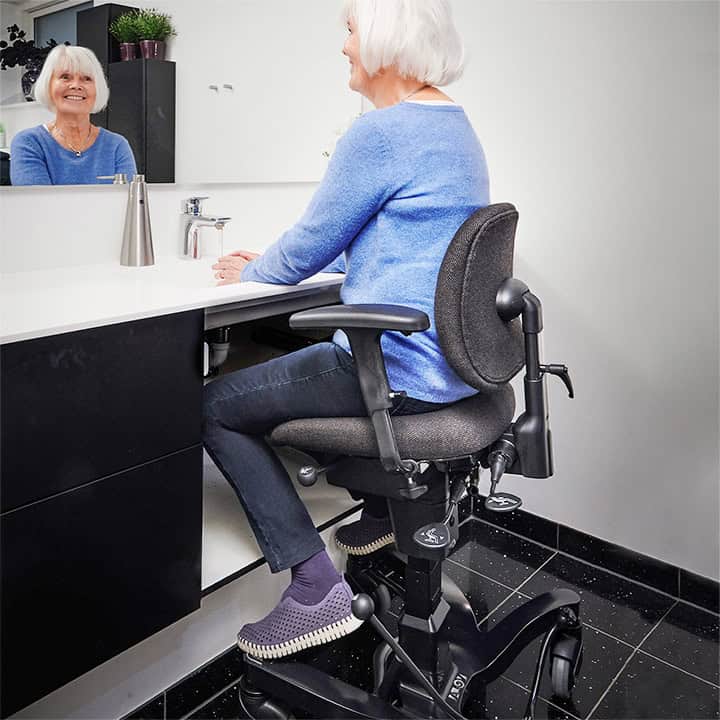
VELA bridges the gap between the challenges associated with nursing homes and the desire to maintain independence at home. Intended directly for home use, the VELA Independence Chair is a medically approved mobility chair that enhances safety and independence, while reducing caregiver burden. It provides freedom of movement while seated, making it easier for older adults to perform daily activities such as cooking, dressing, and transferring, ensuring they remain comfortably in their own homes longer.
Supporting Aging in Place: A Practical Option
Mobility solutions such as the VELA Independence Chair for enhanced daily living are key to helping individuals maintain independence at home. The chair addresses critical issues discussed earlier, like safety and ease of movement. With features like a central brake for stability, electric height adjustability, and smooth wheeled mobility, it empowers seniors to safely participate in daily activities, from meal preparation to relaxation. By offering these enhancements, the chair can help delay the transition to a nursing home. This aids in preserving the dignity, freedom, and energy of its users, emphasizing how a strategic piece of furniture can significantly improve quality of life. While VELA is a proven option, it’s essential to explore all available choices to ensure the best fit for individual needs.