

Updated September 2025: We have updated the article to reflect recent advancements in assistive technologies, new rehabilitation modalities such as virtual reality and tele-rehabilitation, updated regulatory and clinical guidelines promoting technology integration, and expert insights on the adoption of wearable devices and smart home systems in assisted living settings. These additions clarify how technological innovation impacts care quality, safety, resident independence, and future cost considerations for assisted living in Tucson.
Understanding Assisted Living Costs in Tucson: An In-Depth Analysis
When exploring assisted living options, understanding the cost is a crucial factor, especially in Tucson, which offers a diverse range of pricing. According to CareScout’s Cost of Care Study, as of 2025, the average monthly cost for a private, one-bedroom assisted living community in Tucson is $6,669. This statistic provides a starting point for families and seniors to gauge potential expenses. However, various factors contribute to this financial commitment, which we’ll explore to help you make an informed decision on assisted living in Tucson.
Factors Driving the Cost of Assisted Living in Tucson
Facility Type and Level of Care
The costs of assisted living can vary significantly depending on the facility type and the level of care required. For instance, facilities like The Oasis Assisted Living use a pricing strategy that combines the style of apartment with a set rate for care levels. This flexible pricing model means costs differ based on whether residents need basic assistance or comprehensive, around-the-clock care (Fellowship Square).
Amenities and Services
In Tucson, wellness facilities like fitness centers, transportation services, diverse dining options, and specialized care programs for conditions such as dementia play a significant role in determining pricing. Premium features often lead to elevated costs, but they also enhance residents’ quality of life (Solterra Senior Living).
Emerging Technologies and Their Impact on Care
Recent trends in assisted living include the adoption of advanced assistive technologies that support mobility, health monitoring, and safety. AI-powered mobility aids, smart home integration, and wearable health monitors are becoming prevalent, enabling real-time data sharing with caregivers and improving residents’ independence. These innovations, along with advancements in ergonomic and inclusive device design, help personalize mobility solutions for varying needs and abilities (WHO 2025 Guidelines; PubMed 2025; Harvard.edu Center for Geriatric Innovation 2025).
While the integration of these technologies can enhance quality of life and safety, they may also influence costs—either by reducing the need for intensive human support or, depending on the facility, adding to the base price for specialized tech-enabled services. Facilities that incorporate digital monitoring, virtual rehabilitation, and adaptive devices often provide a more comprehensive care environment in line with recently updated clinical guidelines (MedlinePlus.gov 2025).
Rehabilitation Practices and Resident Engagement
The use of virtual reality (VR) and tele-rehabilitation is expanding in Tucson’s assisted living communities, supporting both mobility and cognitive health for residents. These tools allow for personalized exercise regimens and enable remote therapy sessions, increasing accessibility and effectiveness of rehabilitative care. Such practices can lead to greater engagement, improved recovery outcomes, and foster resident independence, which may help reduce long-term care needs (MayoClinic.org 2025; PubMed 2025).
Real-Life Example
Bridgewater Assisted Living provides an insightful case, with costs ranging from $2,907 to $6,300. This range underscores the variability in pricing, influenced by the types of accommodations and levels of personalized care offered (Bridgewater Assisted Living).
Comparative Analysis: Assisted Living vs. Other Care Types
Regulatory Changes and Clinical Guidelines in 2025
Recent updates to accessibility standards and interoperability requirements for assistive technologies have been implemented by authorities such as the WHO and US health agencies (WHO 2025 Guidelines; MedlinePlus.gov 2025). These changes encourage assisted living communities to integrate technology-assisted care plans, combining traditional support with digital health monitoring and smart home systems to optimize safety and well-being. Compliance with these standards may influence both operational practices and pricing structures.
Navigating Financial Assistance for Tucson Seniors
For many Tucson seniors, understanding available financial assistance programs is crucial in managing assisted living expenses.
- Veterans Benefits: Aid and Attendance benefits can offer substantial support to veterans and their surviving spouses, helping to alleviate some of the financial burdens.
- Insurance Options: Policies like life insurance conversions and long-term care insurance provide avenues to fund part of the assisted living costs.
- Section 8 Vouchers: These offer rental assistance for eligible low-income individuals, playing a pivotal role in making assisted living more accessible (Paying for Senior Care).
Programs and financial strategies are available to help seniors comfortably transition to assisted living, as noted by Paying for Senior Care. As technology adoption in senior care advances, consideration of whether tech-enabled features are included in your chosen community’s base price or offered as optional add-ons may become increasingly important when budgeting for future costs (MayoClinic.org 2025).
Expert Perspectives and Resident Outcomes
Geriatric care experts recommend a hybrid approach that combines skilled human support with assistive technologies to improve quality of life for residents and ease caregiver workload. Adoption trends indicate positive outcomes in independence and well-being where seniors utilize wearable health devices and smart home safety systems specifically designed for usability and privacy (Harvard.edu Center for Geriatric Innovation 2025). User feedback highlights greater satisfaction in communities that offer adaptable, technology-forward environments.
Enhancing Independence with VELA Mobility Chairs
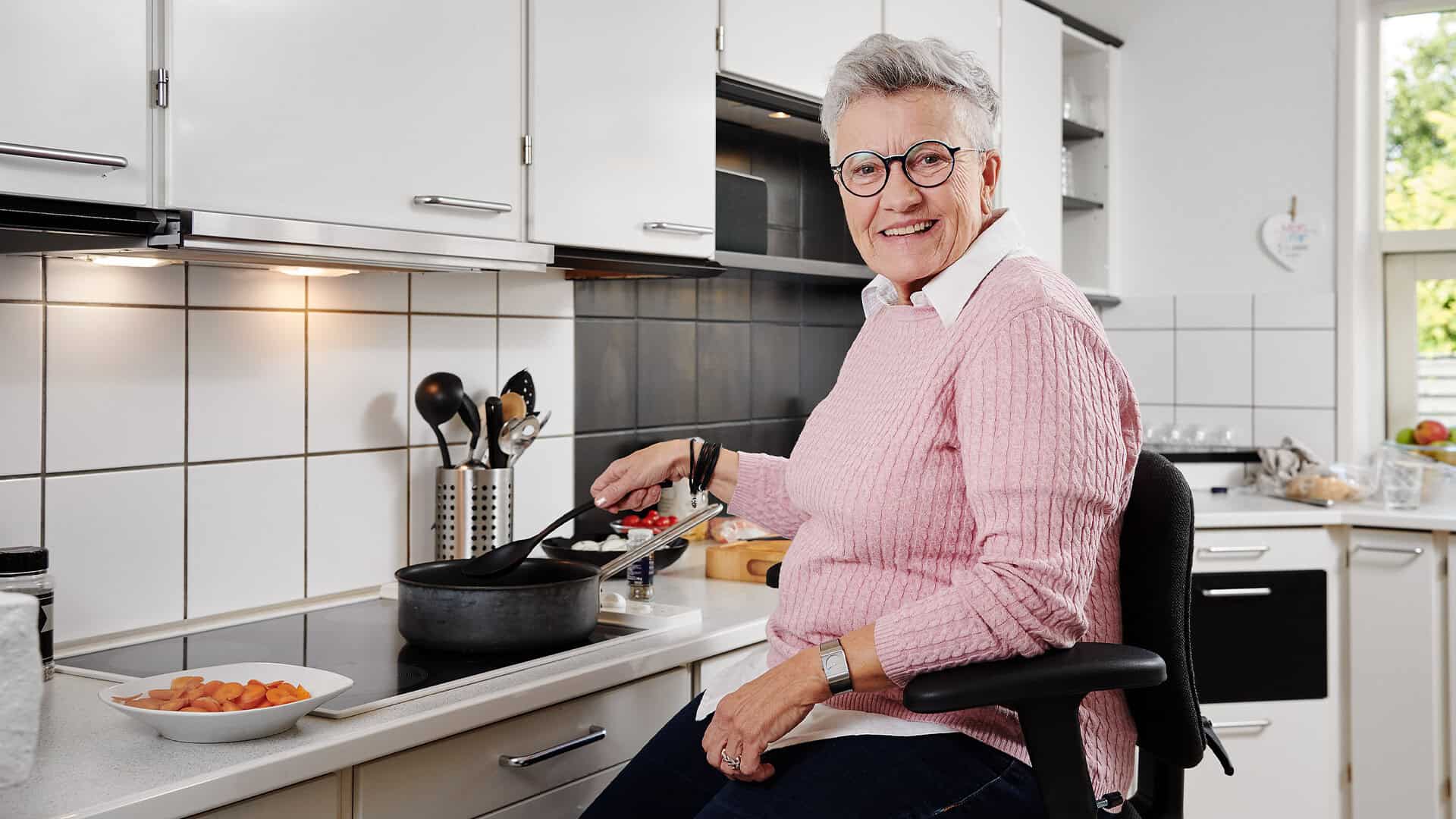
In light of challenges in nursing homes, there is a growing interest in alternative solutions that enable older adults to remain independent in their own homes longer. One such solution is the VELA Independence Chair, a medically approved mobility chair designed specifically for home use. It enhances safety and freedom of movement while seated, supporting daily activities like cooking, dressing, or transferring. This innovation helps reduce the burden on informal caregivers while allowing seniors to maintain their independence and quality of life.
Navigating the financial waters of assisted living in Tucson requires carefully considering several critical factors. From understanding the specific level of care required, evaluating amenities and services, to recognizing the value of financial assistance programs, these aspects must align with lifestyle preferences and long-term financial plans. According to Vista Winds Retirement, proactive financial planning ensures sustainability in care choices, underscoring the importance of making informed and strategic decisions.
By analyzing these cost dynamics and exploring financial support options, seniors and their families can select an assisted living arrangement that delivers both peace of mind and quality care in Tucson.
Supporting Aging in Place: A Practical Option
As seniors look to maintain independence and extend the comfort of their homes, mobility solutions like the VELA Independence Chair become invaluable. These chairs are expertly designed to overcome common challenges faced at home, such as safely moving around and completing daily activities. Key features such as a central brake system ensure stability, while electric height adjustability aids with effortless transfers and engagements in activities like cooking or cleaning. Such enhancements not only foster a sense of dignity and freedom but also conserve energy, maintaining a safe and comfortable living environment. Although VELA chairs are one of many solutions, they present a proven option for reducing the need for more intensive care settings, enabling seniors to stay active, safe, and independent longer at home.