

Updated September 2025: We have updated the article with the latest advances in AI-powered assistive technologies, brain-computer interfaces, integrated AI assistants, aging-in-place solutions, and regulatory updates, reflecting current trends and best practices for independent living and quality care in Victoria. Expanded coverage now includes innovations in smart mobility aids, remote health monitoring, and the integration of assistive features into mainstream consumer electronics, as well as a greater focus on inclusive and user-centered design.
Assisted Living in Victoria: Understanding the Growing Demand
As the demand for assisted living in Victoria, BC, rises, gaining a solid grasp of this essential service’s dynamics is increasingly critical. According to the BC Office of the Seniors Advocate, the average age for entry into assisted living in Victoria is 81, with 71% of its residents being female. Alarmingly, there is a 49% high-risk factor for placement into long-term care and a 24% rise in wheelchair usage over the last five years. These statistics underscore the needs of Victoria’s elderly population and emphasize the vital role of assisted living facilities in catering to these needs.
Eligibility, Services, and Options
Eligibility for assisted living in Victoria involves a careful evaluation of health, mobility, and cognitive functions. Prospective residents typically experience moderate health impairments that hinder independent living without necessitating the round-the-clock medical care found in nursing homes. Services include accommodation, meal provision, medication management, and the right staffing levels, all structured to support daily activities while fostering resident independence.
In Victoria, both public and private assisted living options are available. Public facilities often come with subsidies and require qualification based on income and health assessments. Private facilities, conversely, present a variety of amenities and experiences at a higher, unsubsidized cost. According to Island Health, transitioning into assisted living typically involves detailed assessments conducted by health authorities.
Comparing Public vs. Private Assisted Living in Victoria
Cost analyses are vital when weighing public against private assisted living. Public facilities compute fees based on income, with costs ranging from $1,200 to $3,200 per month, while private facilities charge between $2,500 and $6,000 or more, contingent on the services. Waitlists for subsidized housing often result in placement delays, prompting many to consider private alternatives, despite the higher price. Quality of care can vary substantially between public and private settings, with private ones often delivering more personalized services. As indicated by reports from the BC Seniors Advocate via CBC News, some seniors find public options adequate and affordable, while others prefer the improved amenities and reduced wait times available in private care.
Innovations and Adaptive Equipment in Victoria’s Assisted Living
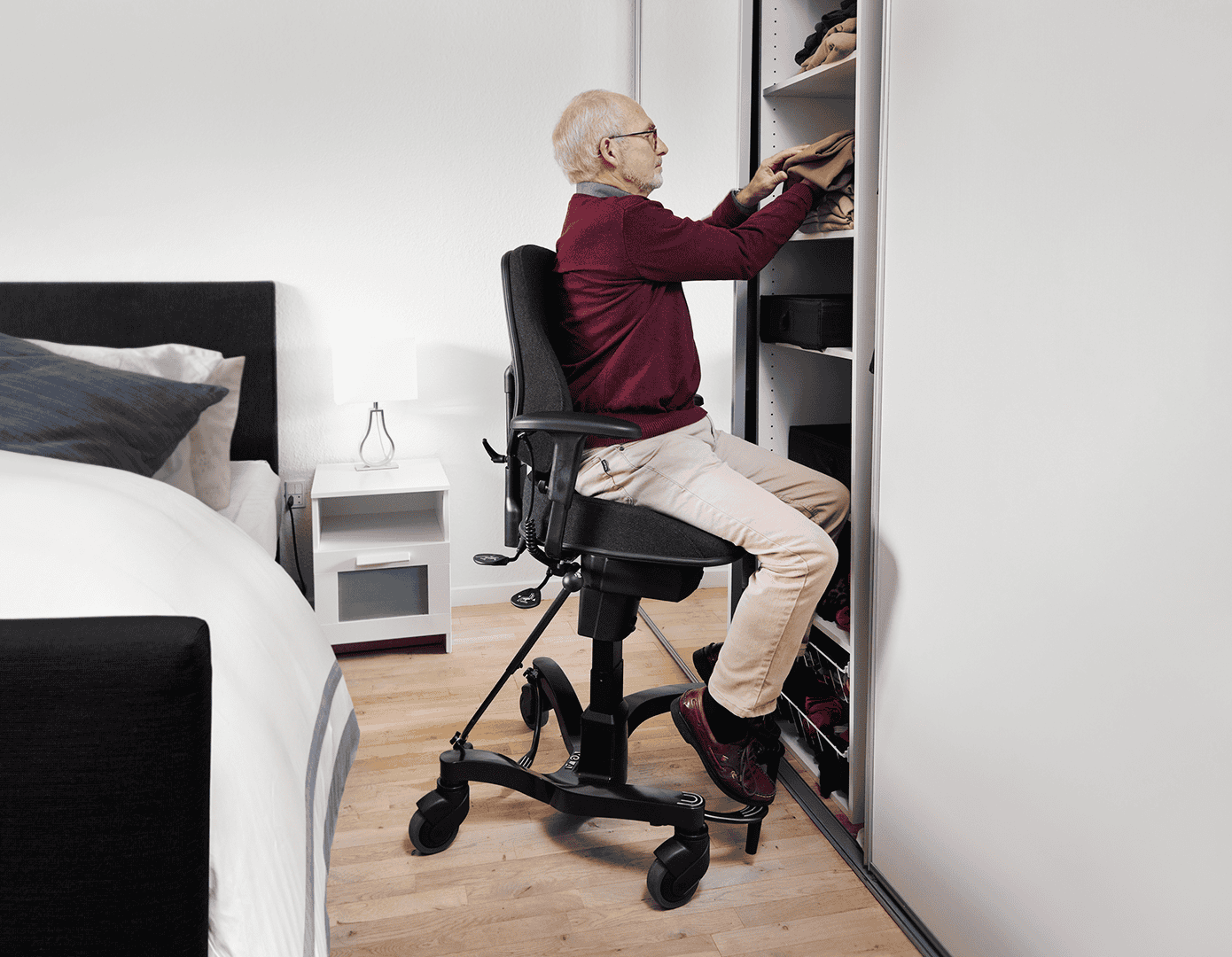
Navigating the challenges of nursing homes, such as limited mobility and dependency, leads families and healthcare providers to explore solutions that uphold seniors’ independence. Innovations in adaptive equipment have become integral to enabling older adults to remain autonomous in their own homes. Enter the VELA Independence Chair, which is revolutionizing how seniors can maintain their lifestyle. This medically approved mobility chair is designed for at-home use, offering enhanced safety through features like a central brake, as well as greater freedom of movement while seated.
Providing support for daily activities such as cooking, dressing, or transferring, the VELA chair effectively reduces the physical burden on informal caregivers, thereby promoting a supportive and independent home environment.
Recreational therapies designed to maintain physical and cognitive health are becoming increasingly sophisticated. These specially tailored programs are vital in promoting active lifestyles within assisted living communities. According to the BC Assisted Living Regulations, such innovations are essential in developing inclusive, supportive environments for seniors.
Advances in Assistive Technology and Aging-in-Place Solutions
Recent advances in assistive technology greatly expand the options for supporting independence in assisted living. AI-powered assistive devices, such as smart glasses with real-time environment description and navigation, as well as brain-computer interfaces for intuitive prosthesis control, now empower residents with enhanced mobility and communication capabilities. Smart wheelchairs with self-driving features and IoT-integrated mobility aids dynamically adapt to both user needs and environmental contexts, offering a new level of personalized support ThinkBeyondTheChair, 2025.
The integration of AI assistants consolidates multiple assistive functions like reading, navigation, and scheduling into conversational interfaces, improving accessibility for a wide range of users LetsEnvision, 2025. Aging-in-place technologies—including remote health monitoring, fall detection, and adaptive furniture—are increasingly emphasized to foster safe, independent living at home Cognitive Market Research, 2025. The COVID-19 pandemic has further accelerated adoption, with updated regulatory frameworks streamlining device approval while maintaining safety standards Cognitive Market Research, 2025.
Inclusive and user-centered design principles now shape the latest assistive solutions. These developments incorporate direct feedback and co-design from end users, resulting in greater usability and acceptance Journal of Visual Impairment & Blindness, 2025. Mainstream consumer electronics are also evolving, with features such as visual enhancement in smart devices and adaptive tools being integrated to further support accessibility in daily and professional life Accessibility.Com & WIPO, 2025.
Conclusion
Navigating the complexities of assisted living in Victoria calls for familiarity with all available options and the role of innovative solutions in enhancing resident safety and autonomy. As underlined by the BC Office of the Seniors Advocate, the integration of tools like VELA chairs is essential to meet the varied needs of the aging populace. In addition, current breakthroughs in AI-powered and smart technologies, inclusive design, and remote monitoring become key to enabling safe, dignified, and independent living. By tailoring adaptive solutions to the specific requirements of senior living, Victoria can continue to offer high-quality care that prioritizes the well-being and independence of its residents.
- ThinkBeyondTheChair, “The Best Assistive Tech Gadgets in 2025: Enhancing Independence Through Innovation” (2025)
- Cognitive Market Research, “Assistive Technology Market Report 2025” (Global edition)
- LetsEnvision blog, “What’s Next for 2025: The Future of Assistive Technology & AI Assistants” (2025)
- Accessibility.Com & WIPO Report on Assistive Technology Innovations (2025)
- CSUN 2025 Assistive Technology Conference Highlights, Innocaption report (2025)
- First Aid for the Blind, “Assistive Technology Roundup: August 2025 Update” (2025)
- Journal of Visual Impairment & Blindness (JVIB), Call for Papers on 2025 Special Issue on Assistive Technology Innovations