

Updated September 2025: We have updated the article with new trends in assistive technology, including AI-driven smart home systems, wearable sensors, and tele-rehabilitation tools in senior living. The latest ergonomic and inclusive design advancements and recent regulatory updates on staffing and dementia care are also included, along with insights on hybrid living models and technology user experiences.
Understanding Assisted Living vs Independent Living Facilities
When considering senior living options, understanding the distinction between “assisted living vs independent living facilities” is crucial in making informed choices that best meet the needs of seniors and their caregivers. Assisted living communities are designed for individuals who require help with daily activities but do not need round-the-clock medical care. According to the National Institute on Aging, these facilities are ideal for seniors needing support with tasks like bathing, dressing, or medication management. In contrast, independent living facilities cater to those who are generally self-sufficient, offering a community-oriented living environment with social and lifestyle amenities without extensive daily assistance.
A common scenario illustrating these distinctions is when a senior begins in an independent living facility, enjoying the social interactions and lifestyle opportunities. However, as their care needs grow, they may transition to assisted living. This evolution helps maintain their quality of life by adapting to their increased assistance needs while allowing for personal choice and autonomy source.
Key Differences in Services, Care Levels, and Lifestyle
The main differences between these facilities lie in the services, care levels, and lifestyle they offer. Assisted living facilities provide more comprehensive care services, including assistance with activities of daily living (ADLs), medical support, and personalized care plans. Independent living focuses on maintaining freedom, offering amenities like housekeeping, dining, and recreational activities without the extensive daily assistance offered in assisted living.
In recent years, assisted living facilities have increasingly integrated AI-driven smart home systems and wearable sensors. These technologies monitor gait, fall risks, and vital signs, connecting residents to staff in real time and enabling personalized interventions that improve safety and independence source. Additionally, regulatory guidance in some regions now requires higher staff-to-resident ratios and improved training in dementia care, further raising care standards source.
Residents in assisted living benefit from structured support, enhanced now by smart technologies, which can also support medication adherence and emergency response. On the other hand, independent living allows for more autonomy and choice in daily activities, which often includes social events and greater privacy. Advances in universal design mean that both settings are adopting ergonomic and multifunctional furniture and devices, aiming to make living environments more accessible and comfortable for people with diverse disabilities source. Providers like Brookdale Senior Living share testimonials highlighting how staff support levels, technology use, and interaction can vary significantly, impacting resident satisfaction and well-being.
Who Is a Candidate for Independent vs Assisted Living?
Independent living is typically suited for seniors with minimal care needs, often in the late 60s to mid-70s, who wish to maintain an active lifestyle among peers. These residents usually have chronic conditions that are well-managed without daily assistance source. Conversely, assisted living serves older seniors, generally aged 80 and above, requiring help with daily tasks due to chronic health conditions or mobility challenges. According to a study published in JAMDA, appropriately matching seniors to the correct care setting significantly enhances their satisfaction and reduces hospital visits.
Emerging hybrid models now bridge the gap between independent and assisted living, providing customizable levels of support enabled by integrated technology. User experience studies emphasize high satisfaction with technology that promotes autonomy but highlight the importance of easy-to-use interfaces and robust privacy controls source.
Cost Comparison & Payment Options
Financial considerations for these living options can be significant. Independent living typically ranges from $2,000 to $3,100 monthly, covering essential living expenses, while assisted living costs are higher, approximately $4,000 to $4,995 per month, reflecting the increased care provided source.
According to insights from Medicare.gov, payment options include private pay, long-term care insurance, and limited Medicaid availability. Families often strategize on the financial front by combining personal savings with insurance benefits to ensure a sustainable solution for senior care costs.
Integrating Mobility and Fall Prevention Tools: Spotlight on VELA Chairs
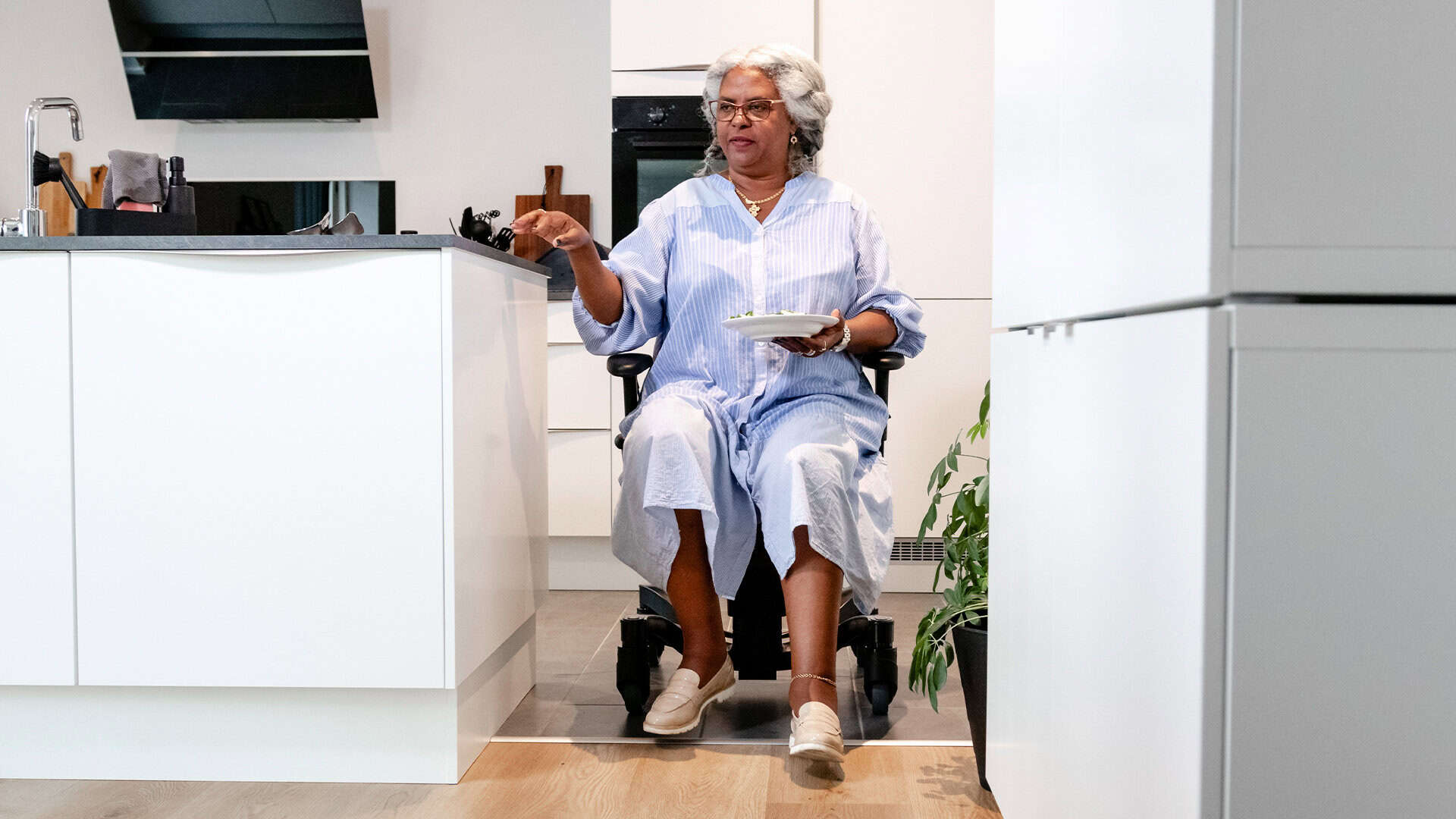
As older adults face the challenges of maintaining their independence while managing increasing care needs, solutions that support staying at home longer become invaluable. One such approach is the use of innovative mobility aids that enhance safety and ease daily activities, reducing the strain on informal caregivers. VELA chairs offer medically approved mobility solutions specifically designed for home use. These chairs provide enhanced safety and freedom of movement while seated, supporting daily activities such as cooking, dressing, and transferring—allowing elders to maintain autonomy and reduce caregiver burden effectively.
New options in rehabilitation, such as virtual reality (VR) and tele-rehabilitation, are being increasingly used in assisted living facilities to provide physical therapy and cognitive exercises remotely. This not only expands access to specialists but also helps maintain mobility, balance, and cognitive health within the facility itself source source. By integrating such tools and therapies, seniors benefit from a personalized, flexible approach to care that meets evolving needs.
Ultimately, choosing between assisted and independent living rests on understanding the specific needs, preferences, and financial capabilities of the senior and their family. Both options provide unique advantages—assisted living for those requiring daily care support and independent living for those prioritizing autonomy within a community setting. Recommendations from authorities like the National Institute on Aging can further guide families as they navigate these vital decisions.
By carefully considering these factors and utilizing resources like mobility assistance tools, seniors can enjoy a suitable, safe, and vibrant lifestyle tailored to their evolving needs. Families, with informed choices, can ensure a fulfilling and comfortable living environment for their loved ones.
Staying Independent at Home with Support
For many seniors, the ability to remain at home, where familiarity and cherished memories reside, is a treasured goal. By incorporating tools like the VELA Chair, independence can be sustained for longer periods, delaying the need for more intensive residential care. These mobility solutions address safety and ease of movement, featuring central brakes for stability, electric height adjustability for getting in and out of the chair, and options for seamless movement while seated. Life with a VELA Chair means participating in household activities—cooking, cleaning, and relaxing—without fear of falls or exertion. It adds dignity and freedom, making everyday tasks less daunting. While VELA is among the practical solutions, each senior’s needs are unique, requiring a personalized approach for optimal home support.
References and Further Reading
- PubMed: AI and sensor technologies in assisted living
- World Health Organization: Ageing and health
- Mayo Clinic: Senior care & rehabilitation
- Harvard Medical School: Aging brain & rehabilitation
- US Administration for Community Living (ACL)/NIDILRR: Assistive technology in senior care
- European Union: Regulatory framework updates in assisted living
- Center for Inclusive Design and Environmental Access (IDEA): Universal design and ergonomics