

Updated February 2026: We have updated the article with 2024 national cost medians for assisted living and skilled nursing facilities, clarified Medicare and Medicaid coverage rules, and included a note on enhanced assisted living as a hybrid care option for higher mobility or chronic medical needs.
Updated October 2025: We have updated the article with recent developments on AI-powered mobility aids, inclusive ergonomic design practices, and new guidelines requiring greater technology integration and interdisciplinary care in assisted living and skilled nursing facilities.
Overview: Assisted Living vs SNF—Key Definitions
Choosing between assisted living and a skilled nursing facility (SNF) is a crucial decision impacting seniors and their families. According to Medicare.gov, “Skilled nursing care is for patients who need daily involvement of skilled nursing or rehabilitation staff, while assisted living provides help with daily activities, but not intensive medical care.” Understanding these distinctions sets the foundation for informed decision-making.
Assisted living facilities support seniors needing help with daily activities like bathing, dressing, and medication management while allowing independence. This setting suits those who don’t require intensive medical supervision. SNFs, however, cater to individuals needing frequent medical attention, including therapy and 24-hour nursing care. The National Institute on Aging states that assisted living is best for those needing some help but remaining independent, while nursing homes are suited for continuous medical supervision.
Who Needs Assisted Living? Who Needs Skilled Nursing?
Assisted living residents often have mild cognitive impairment or mobility limitations, needing assistance with activities of daily living (ADLs) but still engaging socially and living semi-independently. In contrast, SNF residents often have complex medical needs like post-surgical care, chronic illness management, or recovery from hospitalizations. As shown by the CDC, 70% of skilled nursing residents in 2023 were over 80, with 90% needing help with three or more ADLs.
A case study in “The Gerontologist” highlights family decision-making, where an SNF was chosen to meet intense rehabilitation needs post-surgery, emphasizing the importance of matching care environments to health requirements.
Medical Services & Daily Support: A Detailed Comparison
Assisted living facilities offer help with ADLs and foster a vibrant social environment. Conversely, SNFs provide comprehensive medical services, including medication management, therapy, and continuous nursing care. Dr. Linda Green from the American Geriatrics Society explains, “For seniors needing medication management, daily medical oversight, or therapy after a hospital stay, SNF is appropriate.”
Advances since 2025 have led to the increasing integration of AI-powered mobility aids, smart wearable devices, and robotic exoskeletons in both assisted living and skilled nursing environments. These technologies, along with fall detection systems with real-time alerts, provide enhanced resident safety and greater opportunities for independence beyond what traditional walkers or wheelchairs offer. Both assisted living and SNFs are also incorporating digital assessment tools and 3D-printed customized devices to support personalized rehabilitation, comfort, and function for diverse physical and cognitive needs. These approaches reflect a broader move toward universal and inclusive design standards in senior care.
For instance, at Brookdale Westlake Hills, assisted living residents enjoy vibrant social interactions and private living spaces. Meanwhile, a resident at Austin SNF might require rigorous medical monitoring after hip surgery, illustrating the contrast in service intensity. Technology-enabled rehabilitation and monitoring are now a key part of care in both environments, further supporting health and autonomy.
Cost and Coverage Considerations
As of 2024, the national median monthly cost for assisted living is approximately $5,900, while a semi-private skilled nursing facility room averages around $9,277 per month. These figures help families anticipate potential expenditures when weighing care options. Medicare typically only covers short-term skilled nursing stays following a qualifying hospital admission. Medicaid coverage for assisted living varies by state and is often limited, in contrast to broader coverage for long-term skilled nursing facility care for eligible individuals.
Enhanced Assisted Living: A Hybrid Model
Enhanced assisted living is emerging as a hybrid care model for those with greater medical or mobility needs who do not require a full transition to a skilled nursing facility. These settings may offer higher staff-to-resident ratios, access to some medical care, and assistive technology supports, bridging the gap between traditional assisted living and SNF environments.
Regulatory Requirements & Quality Standards
Assisted living and SNFs operate under different regulatory frameworks. Assisted living facilities are primarily governed by state regulations ensuring safety, staffing, and care quality. In contrast, SNFs adhere to both state and federal standards set by the Centers for Medicare & Medicaid Services (CMS), mandating minimum staffing levels and care criteria to ensure comprehensive resident safety and care quality.
Recent policy and guideline updates from leading geriatric and rehabilitation organizations, such as the American Geriatrics Society and CMS, emphasize the earlier adoption of technology-assisted rehabilitation and enhanced interdisciplinary coordination in skilled nursing facilities. Some regions now require facilities to demonstrate technology readiness, including monitoring systems, to improve resident outcomes. Adoption of technological innovation in assisted living is also accelerating, driven by the demand for enhancing autonomy while maintaining safety. Challenges persist, particularly regarding staff training and digital literacy, but user feedback shows a growing acceptance and positive outcomes associated with these advances.
According to the Journal of the American Geriatrics Society, these regulatory requirements greatly influence transition outcomes and resident well-being, emphasizing the importance of compliance with quality standards.
Additional sources: National Institute on Aging (2025), American Geriatrics Society Clinical Guidelines (2025), CMS Skilled Nursing Facility Technology Requirements (2025), Journal of Rehabilitation Research and Development (2025), WHO Universal Design Guidelines for Elder Care (2025), AARP Technology Acceptance Report (2025), Health Affairs (2025).
VELA Integration
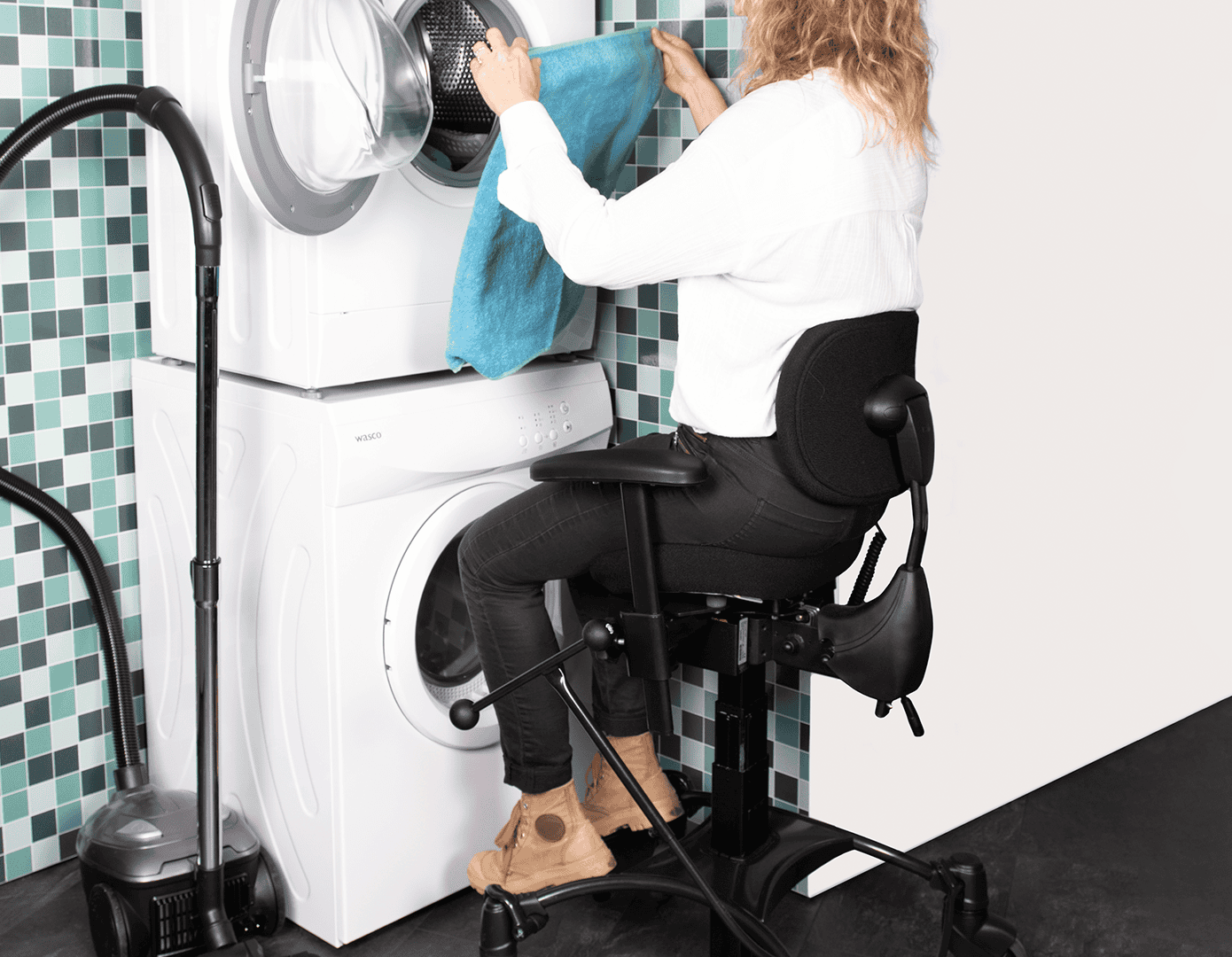
Navigating the complexities of healthcare needs, many seniors and their families struggle to balance maintaining independence with receiving necessary care. A practical solution that bridges this gap is the VELA Independence Chair. This medically approved mobility chair is designed for home use, enhancing safety and freedom of movement. It supports daily activities such as cooking, dressing, or transferring, all while reducing the burden on informal caregivers, enabling seniors to remain in their homes longer.
Understanding distinctions between assisted living and SNFs ensures families make decisions aligned with loved ones’ medical and lifestyle needs. Assisted living provides vibrant social engagement and independence, whereas SNFs deliver intensive medical care. Recent technology and ergonomic advances continue to improve comfort, safety, and outcomes in both settings. Insights from authoritative sources, like Medicare.gov and the National Institute on Aging, serve as valuable guides in navigating these options. Ultimately, assessing individual needs, insurance coverage, and long-term care goals will guide families toward the right choice for senior care.
Supporting Aging in Place: A Practical Option
Staying independent at home is increasingly desirable, and mobility solutions like the VELA Independence Chair can be instrumental in achieving this goal. The chair’s features, such as a central brake for safety and electric height adjustability, provide essential support that can enhance daily living activities. These features help prevent falls and reduce strain during transfers, allowing seniors to manage tasks like cooking and cleaning with ease. With such aids, many seniors can delay or even avoid the transition to a skilled nursing environment, preserving their dignity and freedom. While VELA is not the only solution, it is a proven option for enhancing independence at home, as organizations such as VELA Chairs underscore through their focus on Products for Aging in Place.