

Updated September 2025: We have updated the article to reflect new trends in assisted living, including the integration of smart assistive technologies, wearable health monitoring devices, AI-powered analytics, modern telehealth solutions, ergonomic and sensory-friendly facility designs, enhanced resident engagement platforms, and the importance of data security and interoperability. These developments demonstrate a shift toward resident-centered, technology-enabled care and greater independence.
Discovering the Right Choice in Auburn Hills Assisted Living
When it comes to finding the perfect assisted living arrangement for seniors in Auburn Hills, making an informed decision is vital for ensuring a high quality of life. According to the Centers for Disease Control and Prevention (CDC), over 1.2 million older adults resided in residential care communities in 2022. Moreover, the National Institute on Aging (NIH) notes that assisted living residents typically need help with daily activities rather than 24-hour nursing care. Such data highlight the importance of selecting a community that balances independence with necessary support.
Understanding Your Choices: Assisted Living in Auburn Hills
Navigating the options for assisted living in Auburn Hills involves understanding the variety of services available. From independent living arrangements that promote autonomy to those offering more robust assistance with activities like medication management and personal care, there’s a choice to fit every need. It’s crucial to recognize the difference between assisted living and nursing homes; the former offers a higher degree of independence while still providing essential care.
For instance, facilities like The Courtyard at Auburn Hills exemplify personalized care, allowing seniors to live well on their own terms. Such facilities comply with the State of Michigan’s Licensing and Regulatory Affairs (LARA) safety protocols, ensuring resident welfare is always prioritized. Today’s leading communities are also embracing advanced assistive technologies—such as smart home systems, remote door and lighting controls, and wearables—to create environments that are both safe and adaptable for a range of needs.[1]
Selecting the Right Community: Key Factors and Red Flags
Choosing an assisted living community involves evaluating key factors to ensure a compatible fit. Important questions to consider include: What is the staff-to-resident ratio? What activities are offered? How is emergency medical care handled? The answers to these can illuminate whether a community is a right fit.
Facilities like Meadows of Auburn Hills are known for their emergency medical monitoring and pet-friendly policies, highlighting desirable features. According to JAMA Network Open, resident-centered care models can significantly improve well-being and reduce rehospitalization, which should be a cornerstone of your evaluation process.
Recent advances in wearable health monitoring—such as real-time vital sign tracking, fall detection, and hydration monitoring—are also being adopted in progressive communities, providing proactive healthcare and greater peace of mind for both residents and their families.[3] AI and predictive analytics tools are being used to optimize staffing and personalize care plans, supporting clinical decisions and allowing for early intervention.[5]
Managing Costs and Planning for Assisted Living
Understanding the financial aspects of assisted living is crucial for effective planning. Costs can range from affordable to premium pricing, depending on the services and amenities offered. At facilities like Meadows of Auburn Hills, affordable options cater to retirees with fixed incomes, illustrating that quality care does not have to be out of reach.
Financial planning is essential, and it’s important to explore all resources, such as insurance coverage, to manage expenses effectively. According to Medicare.gov, it’s essential to note that Original Medicare does not cover assisted living costs, so alternative financial strategies should be identified early on. Modern communities may also be integrating technology solutions that help streamline administrative and billing processes, enhancing transparency for residents and families.[4]
Maintaining Independence and Mobility
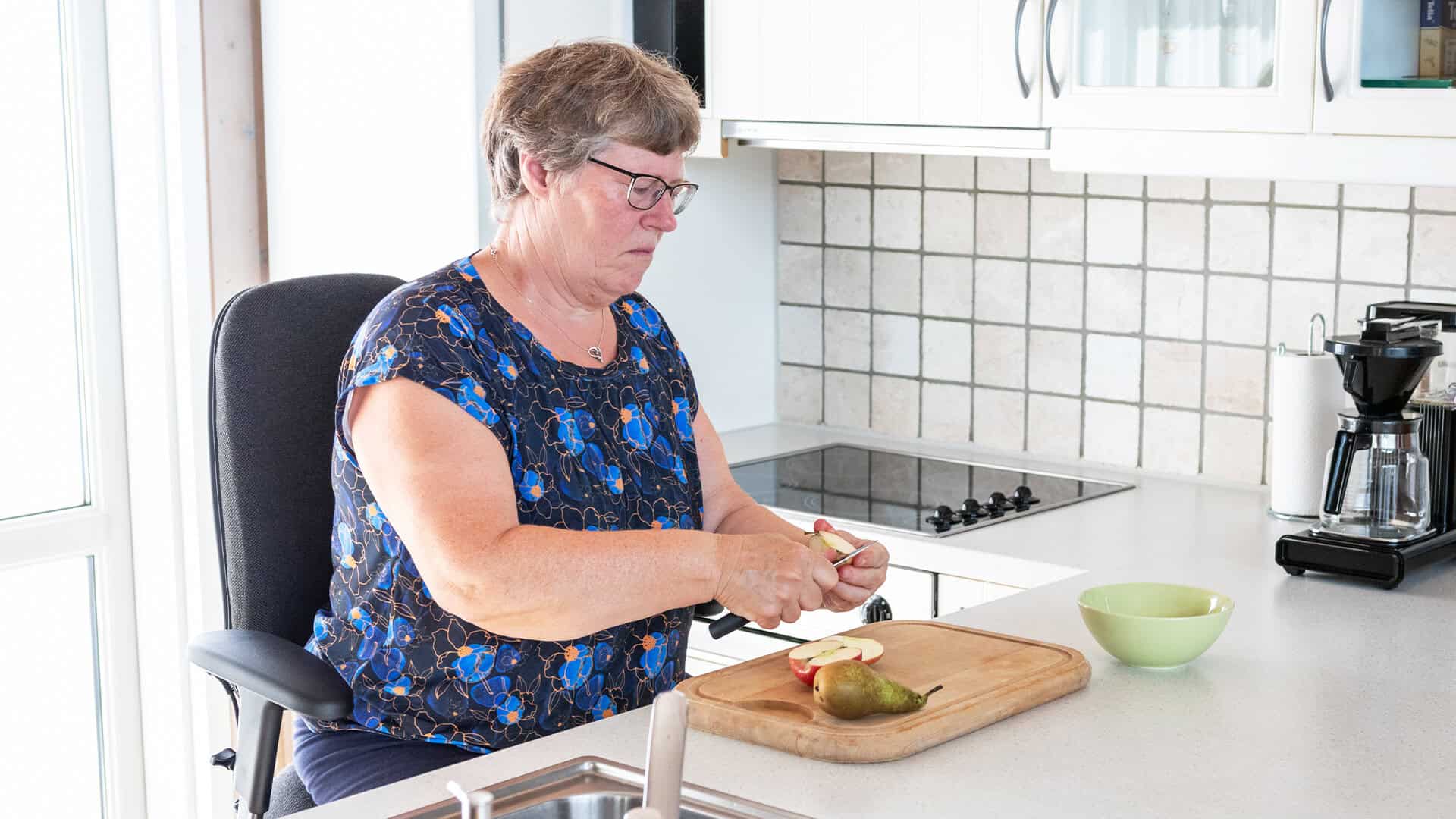
With the nuanced understanding of nursing home challenges and the quest for maintaining independence, solutions that enable older adults to remain self-sufficient are pivotal. One such innovation is the VELA Independence Chair, a medically approved mobility chair specifically designed for home use. It provides enhanced safety by reducing fall risks, assists users in moving freely while seated, and supports daily activities such as cooking, dressing, and transferring. This chair not only helps improve quality of life but also eases the caregiving burden on families. With its focus on promoting freedom and safety, the VELA chair is a viable solution within the spectrum of tools that foster independent living.
Many Auburn Hills communities are now incorporating advanced mobility and accessibility features, including smart access controls, voice command-enabled doors, and building automation that empowers residents in daily life.[6] These integrations help seniors maintain autonomy while ensuring safety and comfort, reflecting a broader shift toward technology-enabled independence.
Staying Independent at Home with Support
For many seniors, remaining in their familiar home environment constitutes an essential part of their quality of life. Mobility solutions like the VELA Independence Chair play a significant role in this by offering the necessary support without compromising dignity. With features such as an intuitive central brake system, electric height adjustability, and ease of movement while seated, the VELA Chair addresses critical needs like safety and efficient transfers. It provides energy-saving support for activities such as cooking or relaxing, which helps individuals conserve their strength throughout the day. This innovative chair is a prime example of how thoughtful design can help delay the transition to a nursing home, supporting aging in place effectively while reducing the load on informal caregivers. Although it’s not the only solution available, the VELA Independence Chair stands as a proven and practical option for those seeking enhanced independence at home. Assisted Living Mobility Solutions offer insights into how such chairs improve quality of life, underscoring the importance of tailored solutions in assisted living environments.
In today’s assisted living setting, further support is available through telehealth services, remote consultations, and resident engagement platforms designed to encourage social connection, physical activity, and cognitive wellness while respecting individual preferences.[7] [8]
Modern facilities are also prioritizing ergonomic and sensory-friendly design for memory care, moving away from clinical confinement in favor of comfortable, engaging environments that enhance dignity and personal well-being.[2] As technology advances, communities are obligated to ensure robust data privacy, security, and interoperability for all digital systems, safeguarding sensitive resident information while promoting collaborative care.[1]