

Updated February 2026: We have updated the article with new developments in assisted living, including the integration of AI-powered predictive health monitoring, privacy-focused edge AI safety features, advanced smart wearables, and trends showcased at CES 2026 such as ambient intelligence, robotics, and voice-activated systems. Additional updates highlight data-driven rehab, telemedicine expansion, and the increasing adoption of smart technologies for proactive, personalized care and improved independence in Billerica senior communities.
Navigating Assisted Living Choices in Billerica
Billerica, Massachusetts, stands out as a welcoming community for seniors, with 17.94% of its population aged 65 and over—well above the national average. As an Age-Friendly Community, Billerica is committed to providing an array of senior care options, making it imperative to explore the diverse assisted living facilities it offers. According to Massachusetts Healthy Aging Collaborative, Billerica’s efforts to support its aging population are commendable, offering various programs and community resources tailored to senior needs.
Exploring Senior Living Options in Billerica
When considering senior living options in Billerica, understanding the differences between assisted living, memory care, and independent living is crucial. Assisted living facilities cater to seniors who require assistance with daily activities such as bathing and medication management. Memory care units specialize in supporting individuals with dementia or Alzheimer’s, providing specialized cognitive support. Independent living is designed for seniors who seek a low-maintenance lifestyle without substantial assistance. Massachusetts regulations ensure high standards in these facilities, delivering peace of mind regarding safety and quality care, as outlined by the state’s Department of Public Health (Mass.gov).
In particular, Kennedy Meadows provides an all-inclusive package, making the complex process of choosing care simpler for families. Their offerings include meals, housekeeping, and social activities that encourage community interaction and ease the transition for new residents.
Modern Innovations in Billerica Assisted Living
Recent trends in assisted living reveal a significant integration of advanced technologies and evidence-based rehabilitation into daily operations. Facilities in Billerica are now rapidly adopting AI-powered predictive health monitoring and edge AI for privacy-focused safety features, such as auto-shutoff stoves and adaptive lighting. These innovations empower residents with greater independence and proactive care, helping to prevent incidents before they occur and increasing resident safety and peace of mind (Senior Housing News; AllSeniors; K4Connect).
Artificial intelligence (AI) and predictive analytics are making notable contributions to staffing optimization, fall detection, personalized care planning, and real-time health monitoring. Wearables and ambient sensors now go beyond basic vitals tracking and are integrated with smart home platforms to support personalized wellness plans, enable early intervention for chronic conditions, and monitor signs of acute illness such as infection risk. CES 2026 has also brought attention to ambient intelligence in assistive devices, including smart toilet seats for early disease detection and robotics that support daily tasks and mobility for those with reduced movement capabilities (Provider Magazine; AllSeniors; K4Connect).
AI-powered fall detection systems, as well as advanced wearables, are now instrumental in reducing falls and emergency interventions. Voice-activated controls, telemedicine capabilities, and data-driven rehabilitation have expanded, allowing more seniors to access healthcare and tailored rehab plans from the comfort of their living community (Senior Housing News; AllSeniors).
Product development continues to emphasize inclusive and dementia-friendly designs, with emerging tools like VR therapy now present in forward-thinking Billerica communities. These solutions are developed to enhance usability, safety, and well-being, especially for residents with memory challenges. Facilities are prioritizing environments optimized for accessibility, integrating features such as personalized lighting and biometric security to meet new standards in privacy and regulatory compliance (K4Connect; AllSeniors).
Evaluating the Right Fit for Your Loved One
Choosing the right facility involves asking precise questions during visits. It’s vital to inquire about staff-to-resident ratios and staff qualifications, as these directly impact care quality and resident well-being. Facilities should also have robust safety protocols, including emergency response systems. Benchmark Senior Living at Billerica Crossings is notable for its high staff retention rates, suggesting a stable and experienced team cares for residents, which is crucial for maintaining consistency in care delivery.
As technology integration expands, it is also important to consider a facility’s adoption of telehealth services and digital monitoring platforms, which can boost both resident safety and individualized care plans. Facilities at the forefront use AI and data-driven methods to adapt care to each resident’s evolving needs, while adhering to current regulatory guidelines and staff training for these tools. After 2025, more facilities participate in national AI task forces and invest in ongoing digital literacy programs for both staff and residents (Argentum; Senior Housing News).
Financial Planning for Assisted Living in Billerica
Understanding the financial aspects is integral when planning for assisted living. Costs vary by facility and level of care needed. Many facilities in Billerica offer a monthly rental structure, which can be more flexible compared to large entrance fees. For example, Kennedy Meadows provides an all-inclusive rate starting at $2,975 per month. Payment options often include private assets, social security, pensions, veterans benefits, and insurance policies. Brightview Concord River designs its rental structure to assist planning, offering multiple financial pathways for families to explore.
Many modern assisted living communities now assess how investments in technology-driven safety and health solutions—for example, remote monitoring, AI-powered fall detection, and smart wearables—can offer cost efficiencies, improved outcomes, and flexibility for residents and their families. With notable increases in adoption (65% of seniors report favoring technology for well-being tracking), communities are able to optimize resources and reduce overall hospital visits and acute incidents (Distinctive Living; K4Connect; AllSeniors).
Transitioning to Assisted Living
Transitioning to assisted living can be challenging, but structured support eases the process. Practical steps such as downsizing support and relocation services make the transition smoother. Facilities like Kennedy Meadows actively facilitate social integration through planned activities, allowing residents to adjust and form new relationships within the community.
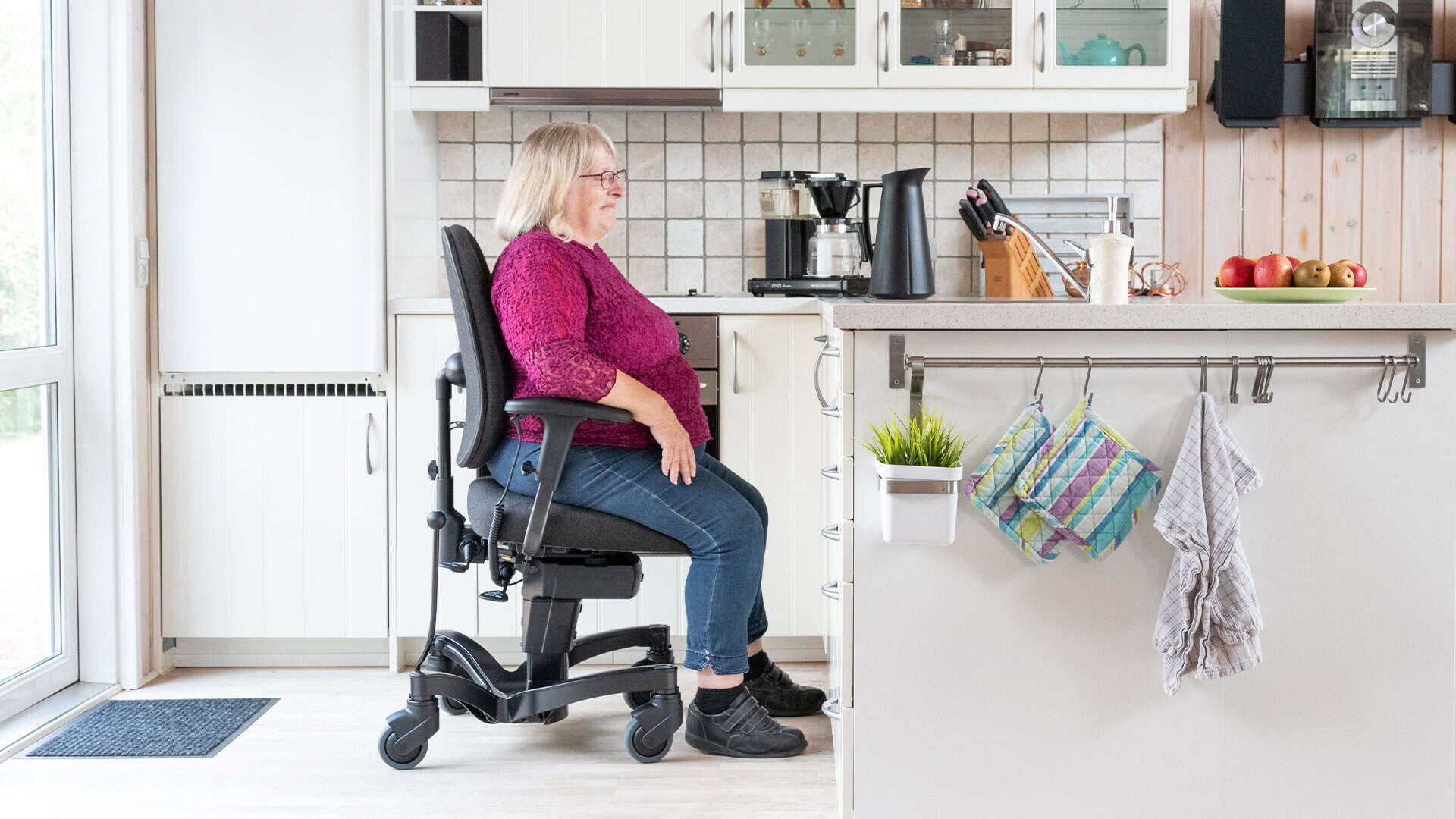
Bridging the gap between the need for assistance and the desire for independence, solutions like the VELA Independence Chair offer practical support that can help older adults remain in their own homes longer, thus delaying the need for nursing home care. The VELA chair is a medically approved mobility chair designed for home use, providing enhanced safety, freedom of movement while seated, and support for daily activities like cooking, dressing, or transferring. It also reduces the load on informal caregivers, offering a balanced approach to maintaining autonomy.
Supporting Independence and Safety in Assisted Living
Maintaining independence is vital for seniors in assisted living. Mobility solutions like Mobility Solutions for Seniors are crucial for ensuring safety and autonomy, supporting mobility, enhancing fall prevention, and fostering independent living. Trustworthy resources for mobility strategies, such as those offered by VELA, provide in-depth insights into maintaining safety and comfort in assisted environments.
Best practices now embrace ergonomic innovation, evidence-based rehabilitation, and an expanded use of AI-powered fall management, ambient sensors, and personalized intervention strategies. The implementation of ambient intelligence systems and robotics, as seen at CES 2026, supports not just safety but also the autonomy and daily task performance of seniors with reduced mobility (MorningStar Senior Living; Provider Magazine; AllSeniors; K4Connect).
Supporting Aging in Place: A Practical Option
Aging in place has become an appealing option for many seniors. The use of mobility aids such as the VELA Independence Chair can play a significant role in supporting this lifestyle. Features like the central brake enhance safety, while electric height adjustability allows seniors to perform everyday activities with minimal strain, conserving energy and reducing the risk of falls. This adds comfort and security, making it possible for seniors to enjoy cooking, cleaning, or even leisurely activities like reading or watching television without discomfort or excessive help. While VELA is not the only option, it represents a proven and effective method to prolong independence at home, preserving dignity and reducing caregiver burden.
New breakthroughs in smart home technologies—such as edge AI privacy features, voice-activated assistants, and adaptive environmental controls—work alongside telemedicine and remote monitoring to further promote an independent, safe lifestyle for seniors choosing to age in place. Smart toilet seats, non-invasive vital trackers, and biometric security also support early diagnosis and privacy needs, reflecting regulatory and user priorities in 2026. These tools, now more widely adopted, are backed by expert recommendations and growing user confidence among seniors and caregivers (Placitacare; Senior Housing News; K4Connect).
The convergence of personalized care experiences, ergonomic product innovation, and technology-driven wellness programs positions Billerica as a forward-thinking community for seniors and their caregivers. This approach reduces caregiver burden and creates a safer, more autonomous environment for all residents (McKnight’s Senior Living).
References
- ButterflyMX: Senior Living Technology Trends 2025: Shaping the Future of Care
- Distinctive Living: Senior Living Amenities to Offer in 2025
- The Care Concierges: How Technology Will Transform Senior Care in 2025
- Argentum: How Senior Living is Embracing Technology Innovation
- CarePatrol: Embracing Technology: How Smart Home Devices Enhance Senior Living in 2025
- MorningStar Senior Living: Role of Technology in Senior Living
- McKnight’s Senior Living: Seven Trends in Senior Living That Will Define 2025 and Beyond
- Placitacare: How the 2025 Senior Tech Boom is Making Aging in Place Easier
- Senior Housing News: HDG Execs on 6 Trends Reshaping Senior Living in 2026
- Provider Magazine: Long Term Care 2026 Trends and Outlook
- K4Connect: The Future of Senior Living at CES 2026
- AllSeniors: How Smart Tech is Revolutionizing Senior Community Living in 2026