

Updated February 2026: We have updated the article with the latest developments in AI-driven assistive technologies now standard in senior living communities, including edge AI safety features, predictive health monitoring, smart home systems, robotics, and CES 2026 innovations. New sections highlight how Boulevard ALP integrates these advances for enhanced mobility, personalized care, and increased independence, reflecting current trends and expert outlooks in the senior care industry.
Comprehensive care and independence at Boulevard ALP
Boulevard ALP Assisted Living stands out as a premier choice for senior care in New York City, boasting locations in Flushing and Brooklyn, licensed by the New York State Department of Health. With an Assisted Living Program license supporting 200 beds out of a total capacity of 239, Boulevard ALP offers a wide range of services to meet the diverse needs of senior residents. According to the New York State Department of Health, this facility is designed to provide affordable and comprehensive care, making it an appealing choice for Medicaid-eligible seniors in light of the median monthly assisted living cost in New York State, which exceeds $5,800, as per the AARP Public Policy Institute.
Understanding assisted living: what Boulevard ALP offers
As defined by the National Institute on Aging, assisted living provides a blend of independence with necessary health and personal care support for older adults, different from the intense medical care of nursing homes. Boulevard ALP excels with enriched housing programs that feature on-site medical professionals and personalized care for residents with conditions like diabetes or dementia. This focus on dignity and respect ensures residents maintain their independence while receiving essential support, epitomizing Boulevard ALP’s commitment to quality care.
Key amenities and medical services at Boulevard ALP
Boulevard ALP is renowned for its spacious accommodations and essential safety features such as emergency call systems. According to the Journal of the American Medical Directors Association, coordinated care efforts, like those provided at Boulevard ALP, significantly enhance resident well-being. The facility includes on-site medical directors and licensed home care services that offer fall prevention programs and routine health assessments which are pivotal in elderly care.
In 2026, the landscape of assistive technology in senior living has rapidly progressed, with smart home standards and AI-driven innovations now central to daily life. Boulevard ALP has adopted AI-powered safety systems, such as edge AI for ambient monitoring (including auto-shutoff kitchen appliances and adaptive lighting), and predictive analytics enabled by integrated sensors throughout the community[10][11]. Wearable devices now not only track health metrics but also predict changes in mobility and health status by analyzing patterns in gait, sleep, and daily routines, allowing care plans to shift from reactive to proactive[12][13].
Smart home environments at Boulevard ALP increasingly feature voice-activated controls, unified data platforms for personalized care, and privacy-first local data processing to address resident and family concerns. New smart medication management systems have reduced staff burdens while increasing adherence, and fall detection is now enhanced by advanced sensors with fewer false alarms[14][15].
Smart mobility aids, such as AI-powered wheelchairs, continue to provide obstacle detection, route optimization, and voice/gesture controls for autonomous navigation[1][2]. Smart glasses and wearable AI interpret environments in real time for visually impaired residents, further advancing inclusive design[3][4]. CES 2026 innovations—such as dignity-preserving smart toilets for health analytics, robotic companions for daily tasks, and rehabilitation technologies—are being implemented to boost both safety and engagement[11][12]. Notably, robotic exoskeletons and mobility-assisting robots are beginning to supplement standard rehabilitation for those with chronic or advanced mobility needs.
The integration of artificial intelligence also extends to health and rehabilitation. Personalized AI assistants offer residents enhanced access to information and task management, supporting those with sensory or cognitive impairments[5]. Rehabilitation practices are incorporating robotic exoskeletons, although broader adoption depends on ongoing clinical refinement and usability[6]. Care models are moving toward personalized, AI-driven wellness plans, departing from generic protocols, and encouraging first-floor accessible living with smart upgrades for high inclusivity—preferences expressed by 88% of residents[17].
Resident experiences: reviews and community life
The community at Boulevard ALP thrives on its nurturing staff and engaging social activities. As reflected in reviews on Caring.com, residents consistently report feelings of safety and respect. For instance, Alice’s family commended Boulevard ALP for providing a community that felt like family, where Alice felt safe and respected. Such testimonials highlight the vibrant community life at Boulevard ALP that promotes mental and emotional wellness.
The recent adoption of AI technologies and robotics is consistently noted in resident reviews and surveys as a contributor to increased independence and peace of mind. Services like Aira—AI-powered visual interpreting—are increasingly used by residents in education, retail, transportation, and social settings, giving residents new options for engagement and control[7]. Robotic companions and interactive devices foster social engagement and mitigate feelings of isolation, with unified platforms allowing staff and families to coordinate care effectively.[15]
Costs, payment options, and Medicaid eligibility
For potential residents and their families, understanding the costs associated with assisted living at Boulevard ALP is crucial. The facility offers both semi-private and private rooms, with recent data showing a semi-private room at approximately $8,669 per month and a private room at around $9,733 per month, as detailed by Senior Living Guide. These costs, covering meals, housekeeping, and health support, can be more manageable for Medicaid-eligible seniors through the NYS Medicaid ALP waiver program, as highlighted by the Centers for Medicare & Medicaid Services.
New regulatory frameworks in 2026 require thorough assessments of assistive technologies, ensuring transparency in clinical effectiveness, accessibility, and cost efficiency. Policies now prioritize AI-integrated health solutions and strong privacy safeguards, with technology rollouts led by expert task forces in senior living[17][15]. Health technology assessment (HTA) guidelines review efficacy, accessibility, ethics, and cost, aligning Boulevard ALP with leading standards for resident safety and digital dignity[8][9].
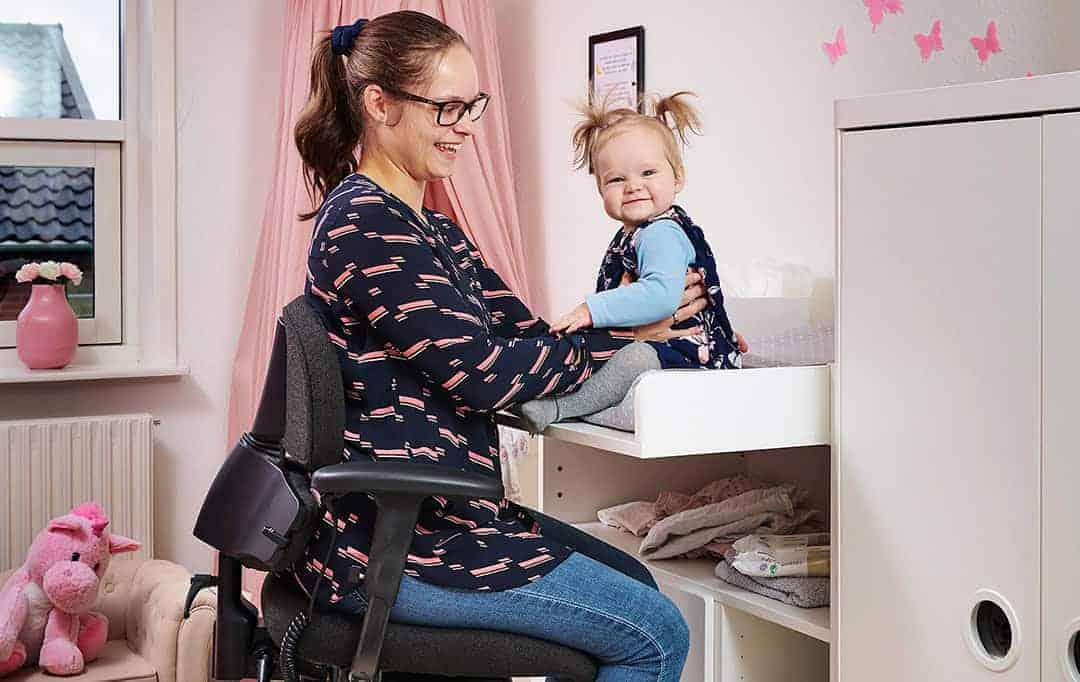
With the complexities and challenges that often accompany traditional nursing home settings, solutions that promote independence for aging individuals are increasingly essential. Facility-wide mobility and monitoring systems paired with flexible assistive furniture—like the VELA Independence Chair—help older adults maintain autonomy within their homes and adapted environments. The VELA chair is medically approved for residential and communal use, enhancing freedom of movement, safety, and enabling daily activities such as cooking or safe transfers. Such features lessen the burden on caregivers and support the dignity and independence of seniors in both private homes and assisted living settings.
Supporting aging in place: a practical option
Investing in mobility solutions like the VELA Independence Chair can significantly influence how long elderly individuals can stay in their homes or community settings. The chair’s central brake and electric height adjustment improve daily efficiency and safety—capabilities further amplified when integrated with smart sensor environments. As smart home and health innovations become the standard, these types of adaptive supports delay the need for more intensive care and boost quality of life, meeting resident demand for technology-enabled independence. Other options are available, but the VELA Chair stands out as a robust solution for independence and dignity. For more on assistive seating solutions, visit the available resources.
References:
[1] Think Beyond The Chair
[2] Keyway Medical
[3] First Aid for the Blind
[4] Digital Learning Institute
[5] Let’s Envision
[6] PMC
[7] Innocaption
[8] ATIA
[9] World Health Organization
[10] AllSeniors.org
[11] K4Connect
[12] Build Senior Living
[13] HBRHC
[14] Dosepacker
[15] Argentum
[16] HBRHC
[17] Senior Housing News