

Updated September 2025: We have updated the article with the latest findings on the integration of AI-powered, wearable, and context-aware assistive technologies in boutique assisted living, advances in user-centered design and rehabilitation practices, and new trends in regulatory guidance for personalized senior care.
Boutique Assisted Living: A Personalized Approach to Senior Care
As families seek more personalized care solutions for their elderly loved ones, boutique assisted living stands out as a premium option. Defined as a residential environment that combines intimate, home-like settings with high-end amenities and personalized care, boutique assisted living is increasingly favored for its ability to enhance residents’ quality of life. According to the Journal of Aging & Social Policy, these settings are linked to improved psychological outcomes and greater resident satisfaction compared to traditional facilities. Supporting this trend, the CDC’s National Center for Health Statistics highlights a growing preference for smaller, specialized homes for seniors, emphasizing personalized attention.
Understanding the Boutique Assisted Living Model
Boutique assisted living facilities prioritize individualized care in cozy, home-like environments. These residences typically cater to seniors aged 75 and above, often dealing with chronic health issues such as arthritis, heart disease, or cognitive impairments like dementia. According to the National Institute on Aging, personalized models improve social integration and resident satisfaction. For example, Shepherd Premier Senior Living exemplifies this with its community-focused approach, boasting a 1:5 staff ratio, while High Point Residence is renowned for its gourmet dining experiences, ensuring residents enjoy quality, tailored meal options.
How Boutique Homes Differ from Traditional Senior Facilities
The primary distinction lies in the size and scope of care. Boutique homes generally offer lower staff-to-resident ratios, resulting in more personalized attention and care. This setup fosters stronger social connections among residents, a significant factor in enhancing well-being and engagement. A report from The Gerontologist indicates that smaller residential models are linked to higher quality-of-life metrics. For example, Brookeville House emphasizes maintaining a small community, ensuring each resident receives personalized attention, contributing to its success.
Amenities and Wellness Services in Boutique Residences
Boutique assisted living facilities boast upscale amenities designed to promote resident health and happiness. Personalized meal plans, wellness activities, and specialized memory care programs are standard features. These offerings contribute significantly to improved psychological outcomes and reduced fall risks, as noted by the Journal of Aging & Social Policy. High Point Residence, for example, provides individualized memory care programs alongside luxury amenities that enhance the overall resident experience.
Integrating Advanced Assistive Technology and User-Centered Design
Recent advances in assistive technology are transforming boutique assisted living with the introduction of AI-powered, integrated, and wearable devices. These technologies—such as smart glasses with embedded AI assistants—provide real-time, context-aware support for residents, facilitating everyday tasks without the need for complex input. For example, innovations presented at leading industry events now include real-time visual interpreting services and haptic devices, greatly enhancing accessibility for individuals with visual, hearing, or combined sensory impairments. The shift from isolated applications towards multi-functional, hands-free solutions allows for improved interaction, orientation, and independence in daily life Envision Community Blog, Innocaption, Helen Keller Services, First Aid for the Blind.
In addition, user-centered design and inclusive development are playing a larger role. Direct involvement of people with disabilities in product feedback ensures that new technologies are both effective and widely adopted. Boutique assisted living residences that incorporate these modern approaches are better positioned to personalize care, support rehabilitation, and advance resident autonomy Journal of Visual Impairment & Blindness, ATIA.
Who Benefits Most from Boutique Assisted Living?
Residents who thrive in intimate environments with a focus on personalized and attentive care particularly benefit from boutique setups. According to Brookeville House, these environments offer tailored services that are ideal for seniors requiring customized care plans to manage specific health conditions. Such settings can be particularly advantageous for those needing memory care support or enhanced mobility assistance, as they ensure individualized attention.
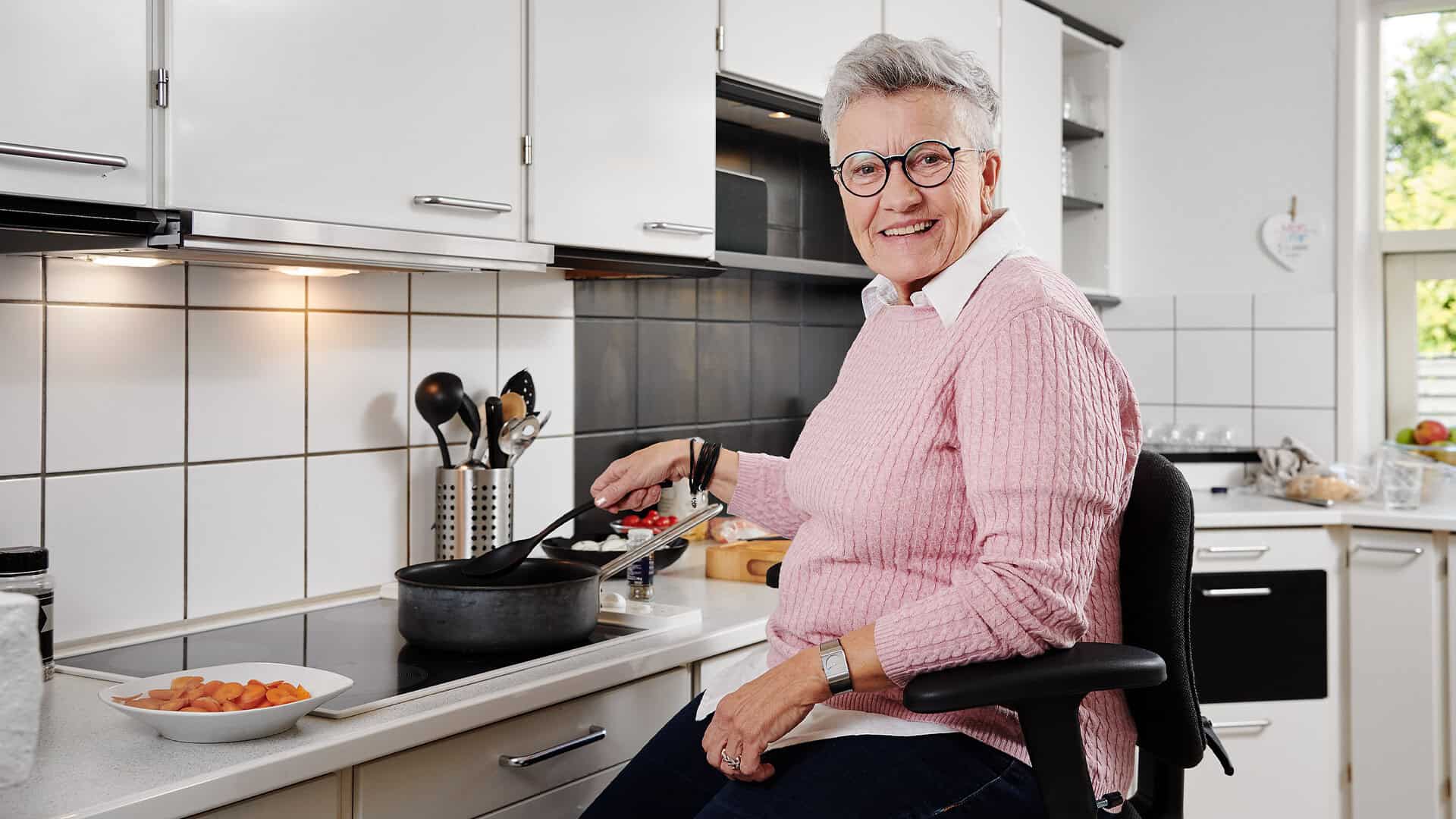
While boutique assisted living settings excel in providing high-quality, personalized environments, traditional nursing homes often grapple with challenges related to scale and individualized care. Senior residents sometimes struggle with maintaining their independence in these traditional settings, highlighting the need for solutions that prioritize personal autonomy. Among such solutions, the VELA Independence Chair offers a practical approach, enabling seniors to maintain independence within their own homes. This medically approved mobility chair is tailored for home use, providing enhanced safety features like a central brake and electric height adjustability, combined with swivel functionality. It supports daily activities such as cooking, dressing, and transferring, easing the workload on informal caregivers while fostering freedom of movement and reducing the risk of falls.
Reducing Caregiver Burden Through Smart Seating
For seniors who wish to stay independent longer at home, innovative mobility solutions like the VELA Independence Chair can make a significant difference. These chairs offer key features such as a central brake for enhanced safety, electric height adjustability to facilitate easier transfers, and smooth swivel functionality to aid movement while seated. Such features directly address common challenges associated with mobility, energy conservation, and fall prevention, potentially delaying the need for a move to a nursing home. With VELA chairs, everyday activities—from preparing meals to engaging in leisurely pursuits—become more manageable, allowing seniors to maintain a sense of dignity and freedom. While VELA is one of several effective options, it stands out as a practical, proven solution, supporting people in their desire to age in place. For more about these chairs designed for aging in place, explore tailored support that enhances both recipient comfort and caregiver ease.