

Updated February 2026: We have updated the article to reflect the latest advancements in assistive technology, including AI-enhanced smart wheelchairs with autonomous navigation, all-terrain and stair-climbing power chairs, wheelchair range-extending attachments, robotic lifts for transfers, wearable haptic navigation aids, and emerging trends in AI-driven autonomy and adaptive controls. The article now references CES 2026 innovations and highlights how these developments support independence and inclusive rehabilitation in assisted living.
Discovering Bristal Assisted Living in Wayne, NJ: A Premier Choice for Senior Care
The Bristal at Wayne, NJ, holds a distinguished reputation as a leading assisted living facility, combining exceptional amenities with personalized care that addresses the unique needs of Wayne’s senior population. Wayne’s demographics underscore this need, noting that 19.35% of its residents are aged 65 and older, highlighting a significant demand for quality senior care. According to Seniorly, The Bristal has been recognized as New Jersey’s best Assisted Living Community in 2024, further cementing its eminent standing in elder care.
Overview of The Bristal at Wayne, NJ Assisted Living
The Bristal at Wayne blends comfort and care, offering residents a safe and nurturing community. This state-of-the-art facility features specialized memory care units and a diverse array of activities designed to enrich residents’ lives. The institution places a strong emphasis on person-centered care, ensured by a team of highly qualified staff who foster a family-like atmosphere. As evidenced by The Bristal’s reviews, family members often describe the community’s environment as one where residents are treated like family. Joyce Mandato, whose family member resides at The Bristal, echoes this sentiment, highlighting the staff’s compassionate care for residents, akin to an extended family network.
Understanding Wayne’s Senior Population and Their Care Needs
Seniors in Wayne often face challenges such as dementia and chronic illnesses, necessitating specialized care plans. The Bristal at Wayne is particularly adept in this area, tailoring individualized care solutions to cater to these specific needs. Testimonials from residents and their families often spotlight how these care solutions seamlessly integrate into residents’ lifestyles, balancing independence with essential support, as detailed by Wayne Township demographics.
State and Federal Assisted Living Regulations
The Bristal at Wayne complies with rigorous New Jersey assisted living regulations, which ensure high safety and quality standards. The New Jersey Department of Health NJDOH requires adherence to comprehensive operational guidelines, offering families peace of mind knowing their loved ones are in a trusted environment. The Bristal consistently meets these stringent requirements, as evidenced by its exemplary compliance record, providing an extra assurance layer compared to federal standards.
What Makes The Bristal at Wayne Stand Out?
The Bristal distinguishes itself through its commitment to personalized care, creating tailored experiences for each resident. The facility offers specialized memory care services, individualized dietary plans, and a range of customized activities. This focus on personalization is evident in FamilyAssets reviews, where high satisfaction ratings highlight the facility’s meticulous attention to individual needs. A case study from The Bristal’s own site illustrates how one resident flourished with customized care, demonstrating the benefits of personalized attention.
Transition to VELA
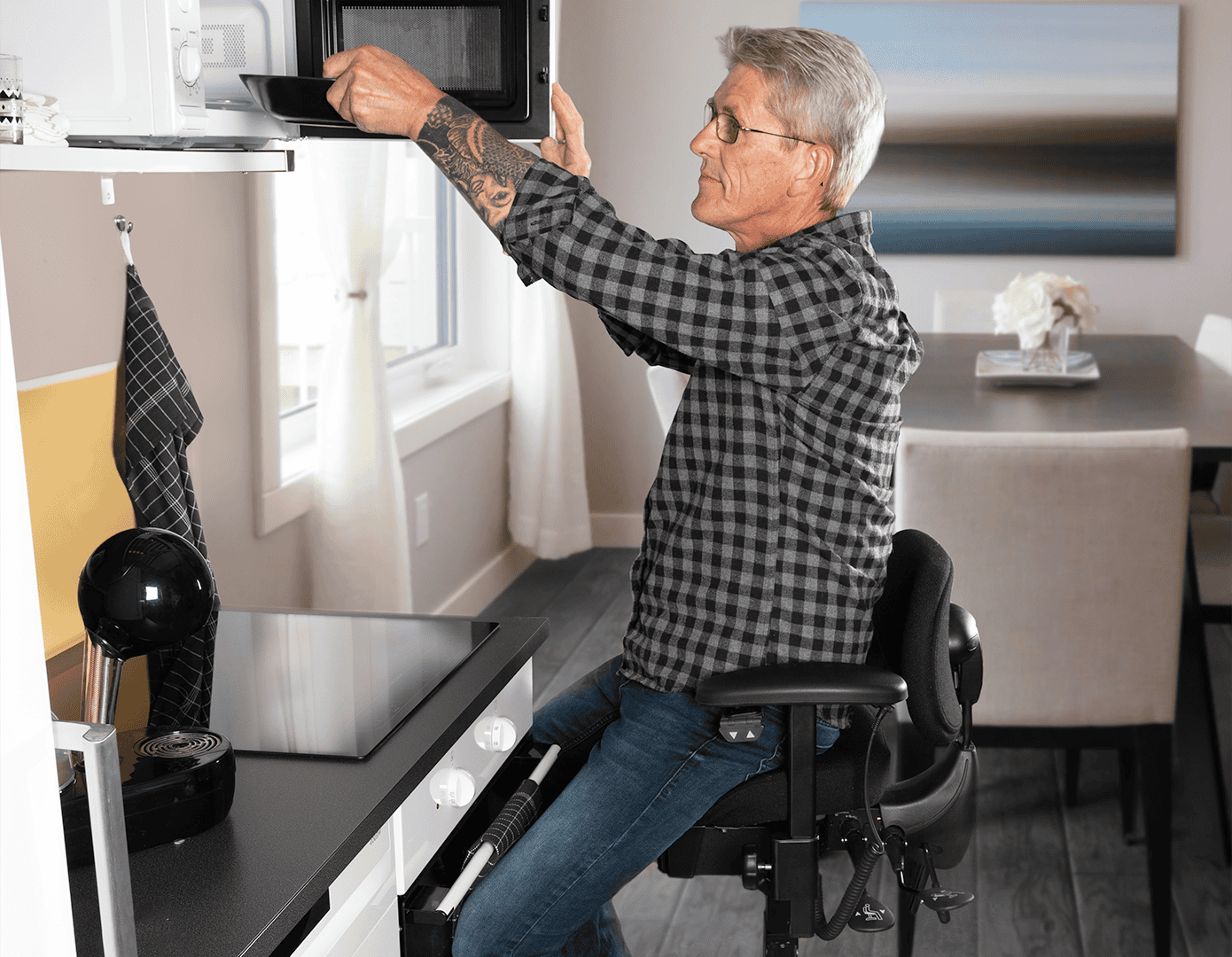
In addressing the challenges faced in traditional nursing home settings, where the need for specialized care can sometimes overshadow personal independence, assisting seniors in maintaining their autonomy becomes crucial. This is where advances such as the VELA Independence Chair can significantly contribute. The VELA chair, a medically approved mobility solution, is designed specifically for home use to enhance safety and facilitate freedom of movement while seated. With features supporting daily activities like cooking, dressing, and transferring, it minimizes physical strain on informal caregivers while empowering seniors to live independently in their own homes. Mobility Solutions for Seniors further exemplify how such innovations can enrich seniors’ lives.
Supporting Aging in Place: Advancements in Assistive Technology
For seniors striving to maintain independence and comfort in their own homes, mobility solutions like the VELA chair remain foundational. Since 2025, the landscape of assistive technology has evolved notably to further enhance independence and quality of life for those with reduced mobility. Recent breakthroughs include the introduction of AI-enhanced smart wheelchairs, such as LUCI add-ons for advanced pressure monitoring and autonomous navigation, as well as innovative models from Adventus Robotics. These systems can help anticipate and prevent hazards, reducing risk and caregiver dependency in everyday scenarios.
New all-terrain and stair-climbing power chairs, like XSTO’s X12, provide residents with the ability to safely traverse both smooth and rugged environments, while attachments such as the upcoming WheelMove extend power wheelchair range up to 25 km per charge. These solutions directly address the growing expectation for real-world autonomy in both residential and communal living settings.
CES 2026 introduced further technologies including MaaS-Bridge AI, which facilitates accessible vehicle-to-pedestrian transfers, SEERU sensors to enhance safety in mixed traffic environments, and robotic lifts like ReviMo Niko for smooth bed-to-chair transfers. Wearable haptic devices such as Hapware Aleye bands support navigation for low-vision users, providing real-time feedback through touch.
The latest trends prominently feature AI integration for increased independence, incorporating adaptive controls such as eye-tracking and sip-and-puff interfaces, along with AI-driven adaptive prosthetics. These tools support customized mobility solutions tailored to individual needs. While regulatory frameworks remain consistent, there is increasing focus on insurance funding and inclusive design to facilitate broader adoption.
Combined with immersive and ergonomic technologies, these advancements support not only comfort and functionality, but also comprehensive, user-friendly rehabilitation and daily living. User-centered and inclusive design, shaped directly by feedback from seniors and caregivers, continues to drive best practices. With ongoing innovation in mobility, rehabilitation practices at communities like The Bristal can now offer evidence-based solutions aligned with the most current global trends in assistive technology. Monitoring authoritative guidance from organizations such as the WHO, FDA, and EU health bodies continues to be advised as the sector progresses.
For those interested in accessing these technologies, recent industry discussion also includes practical toolkits for funding and growing evidence of positive user adoption, reflecting a shift toward more ergonomic, stylish, and seamlessly integrated assistive solutions for seniors.