

Updated September 2025: We have updated the article with new insights on the integration of AI-powered technologies, smart home features, and sustainability initiatives in assisted living and memory care. The latest evidence highlights significant advances in safety, real-time health monitoring, remote care coordination, and building automation, as well as evolving regulatory support and expert perspectives on technology-driven care.
Evaluating Cardinal Court for Your Loved One’s Needs
Choosing the right senior care facility can be both daunting and critical, especially for families seeking specialized memory care or transitional assisted living. Cardinal Court Assisted Living & Memory Care in Strongsville, Ohio, emerges as a prominent choice. According to A Place for Mom, its impressive ratings—scoring consistently between 9.6 and 9.7 out of 10—reflect the facility’s dedication to excellent care and quality service.
Memory Care and Transitional Assisted Living at Cardinal Court
Specializing in memory care, Cardinal Court meticulously tailors its programs to assist residents dealing with dementia and Alzheimer’s. The facility employs Certified Dementia Practitioners and integrates the HOPE BLOOMS™ Life Enrichment Program, a progressive approach inspired by Montessori principles. This program is designed to nurture memory retention in a dignified and respectful manner. A noteworthy case study from Sunshine Retirement Living details a resident’s significant life enrichment through individualized activities that recognize their unique history and experiences.
In addition to memory care, Cardinal Court offers transitional assisted living, striking a balance between independence and minimal support. Anchored in the “Six Pillars of Wellness,” the facility focuses on physical engagement, sensory stimulation, and fostering social connections to support residents’ overall well-being.
Innovations in Technology and Care Environment
The landscape of assisted living has shifted rapidly, and Cardinal Court now incorporates advanced technology to optimize safety and quality of life. Artificial intelligence (AI) and smart technology ecosystems are becoming integral components in resident care. AI-powered predictive analytics support personalized care planning and staff allocation, while ambient monitoring and wearable health devices provide real-time tracking of vital signs and detect falls with a high level of accuracy. Notably, clinical experience with AI-based video monitoring has led to dramatic improvements, showing up to a 40% reduction in falls and 80% fewer emergency room visits in memory care settings (MorningStar Senior Living).
Smart home integration has also advanced. Residents now benefit from voice-activated assistants, automated lighting and thermostats, and smart access controls. These features enhance both convenience and safety, especially for individuals with mobility or cognitive impairments (ButterflyMX; Arkenea).
A Safe and Engaging Environment in Strongsville
Safety and engagement form the bedrock of the living environment at Cardinal Court. The facility is thoughtfully designed with a circular layout and abundant natural light, promoting both physical health and mental well-being. Located in the charming suburb of Strongsville, residents have easy access to urban conveniences like the SouthPark Shopping Mall and healthcare facilities such as the Southwest General Strongsville Hospital—offering peace of mind for residents and their families.
Smart building automation and digital engagement platforms now supplement traditional safety features, empowering residents to interact more independently while supporting social connection and mental stimulation (Health Dimensions Group).
An individual Caring.com review highlights a resident’s enthusiastic participation in weekly escorted outings to local attractions, illustrating Cardinal Court’s commitment to providing a socially engaging yet secure environment.
Quality of Care and Staff Excellence
Cardinal Court’s unparalleled commitment to quality care is evident in its strategic focus on staff excellence. According to Family Assets, consistent and ongoing staff training yields a team known for their compassion and attentiveness—integral to their person-centered care philosophy. The long-standing employment of many staff members fosters deep bonds with residents, ensuring trust and consistency, which are vital for residents, particularly those experiencing cognitive decline.
Recent regulatory updates and clinical guidelines now underscore the necessity of intentional and ethical implementation of AI and digital technologies to maximize patient benefits, while upholding privacy and safety standards (Argentum).
Facilitating Independence Through Mobility Solutions
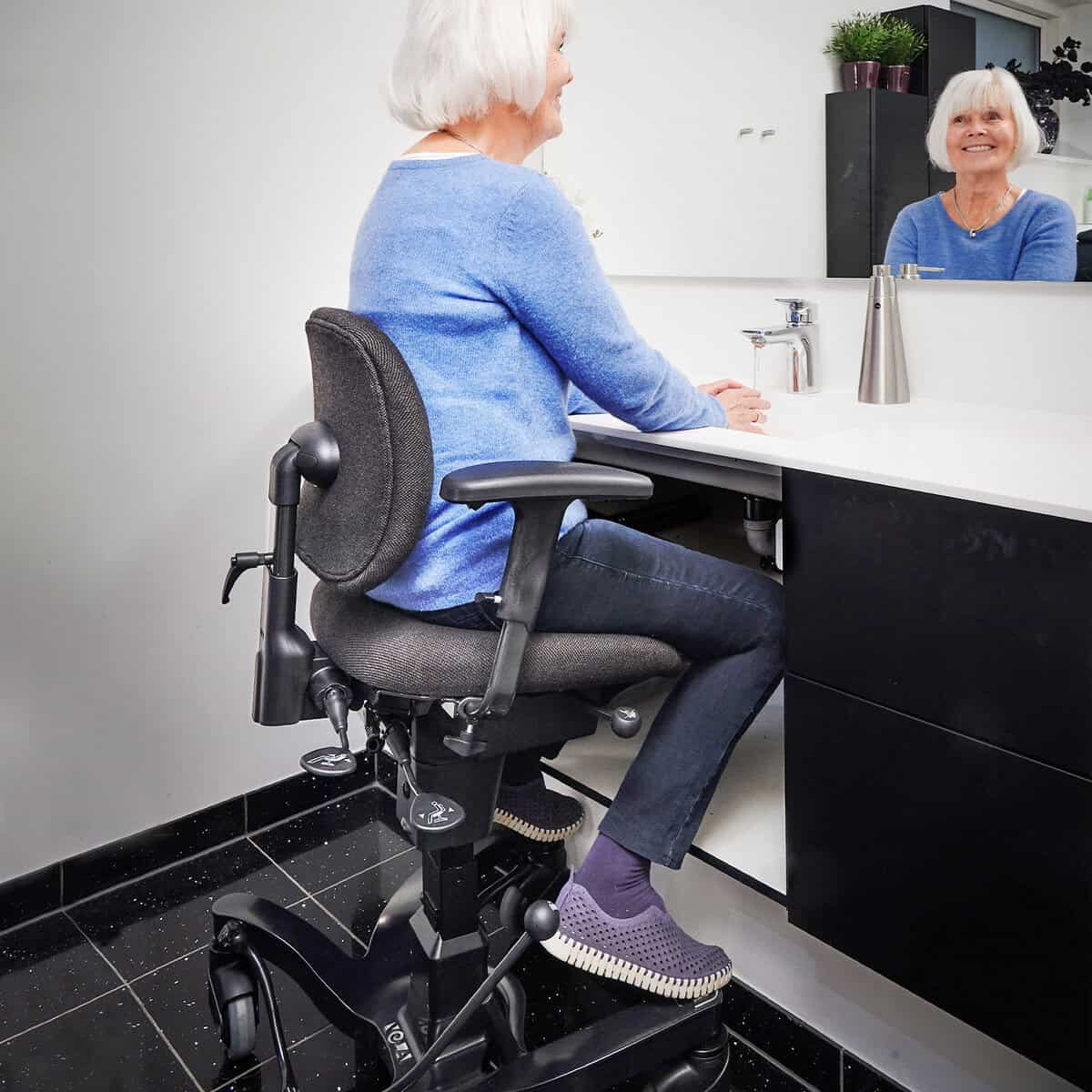
While nursing homes provide a critical refuge for many elderly individuals, the desire to remain independent for as long as possible is paramount. Solutions facilitating this autonomy become crucial, especially for those opting to stay at home or delay entering more restrictive care environments. VELA Chairs represent one such solution, offering medically approved mobility chairs designed to enhance safety, freedom of movement, and support for daily activities such as cooking, dressing, or transferring. These chairs significantly reduce the burden on informal caregivers by combining functionalities such as a central brake for improved safety, electric height adjustability, and ease of movement while seated, thus contributing substantially to sustained independence.
Supporting Aging in Place: A Practical Option
Enabling seniors to maintain independence in their own homes remains a central priority in elder care, and mobility solutions like VELA Chairs play a pivotal role in this goal. With features that directly address concerns such as safety and energy conservation, these chairs promote a sense of dignity and freedom while reducing the reliance on full-time caregivers. The central brake system and electric height adjustability of VELA Chairs enhance safety and facilitate smoother transfers, making everyday activities like cooking or cleaning more manageable. This functional support can delay the need for nursing home care and empowers seniors to enjoy a higher quality of life at home. While options for mobility solutions vary, Assisting Seniors at Home and Beyond remains a testament to how innovative design supports seniors’ well-being and independence effectively.
By exploring options like VELA, families can better support their loved ones in living with dignity and independence for as long as possible.
- Arkenea, 10 Essential Assisted Living Technologies Revolutionizing Care in 2025
- ButterflyMX, Senior Living Technology Trends 2025
- Healthcare Resource Blog, The Future of Senior Living: Trends to Watch in 2025
- Distinctive Living, Senior Living Amenities to Offer in 2025
- Argentum, How Senior Living is Embracing Technology Innovation (2025 report)
- MorningStar Senior Living, Role of Technology in Senior Living
- Health Dimensions Group, 2025 Top Trends in Aging Services