

Updated October 2025: We have updated the article with recent advances in assistive technology, including AI-driven analytics, smart home automation, enhanced wearable devices, and robotics. These updates reflect evolving clinical guidelines and emphasize multi-device ecosystems, inclusive design, and technology-integrated care partnerships that support senior independence and personalized care.
Unlocking the Potential of Care Partners Assisted Living
Navigating senior care requires a thorough understanding of balancing professional support and personal empowerment. “Care partners assisted living” presents a dynamic model that promotes collaboration, inclusivity, and enhances the traditional caregiving approach by prioritizing partnerships. This model caters to the physical, emotional, and social well-being of seniors, ensuring their holistic care.
According to the National Institute on Aging, assisted living supports individuals requiring help with daily activities, allowing them to maintain a degree of independence within a community setting.
What Is “Care Partners” Assisted Living?
Care partners assisted living distinguishes itself by fostering mutual respect and active engagement. Unlike conventional caregiving models, which can be predominantly one-sided, this approach invites residents to actively participate in their care journey. As outlined by NursePartners, Inc., this model emphasizes “doing with” rather than “doing for,” recognizing even residents with dementia as whole, capable participants in their care plans. A practical scenario involves a care partner collaborating with a resident with mild dementia to develop routines that bolster memory retention and enhance quality of life.
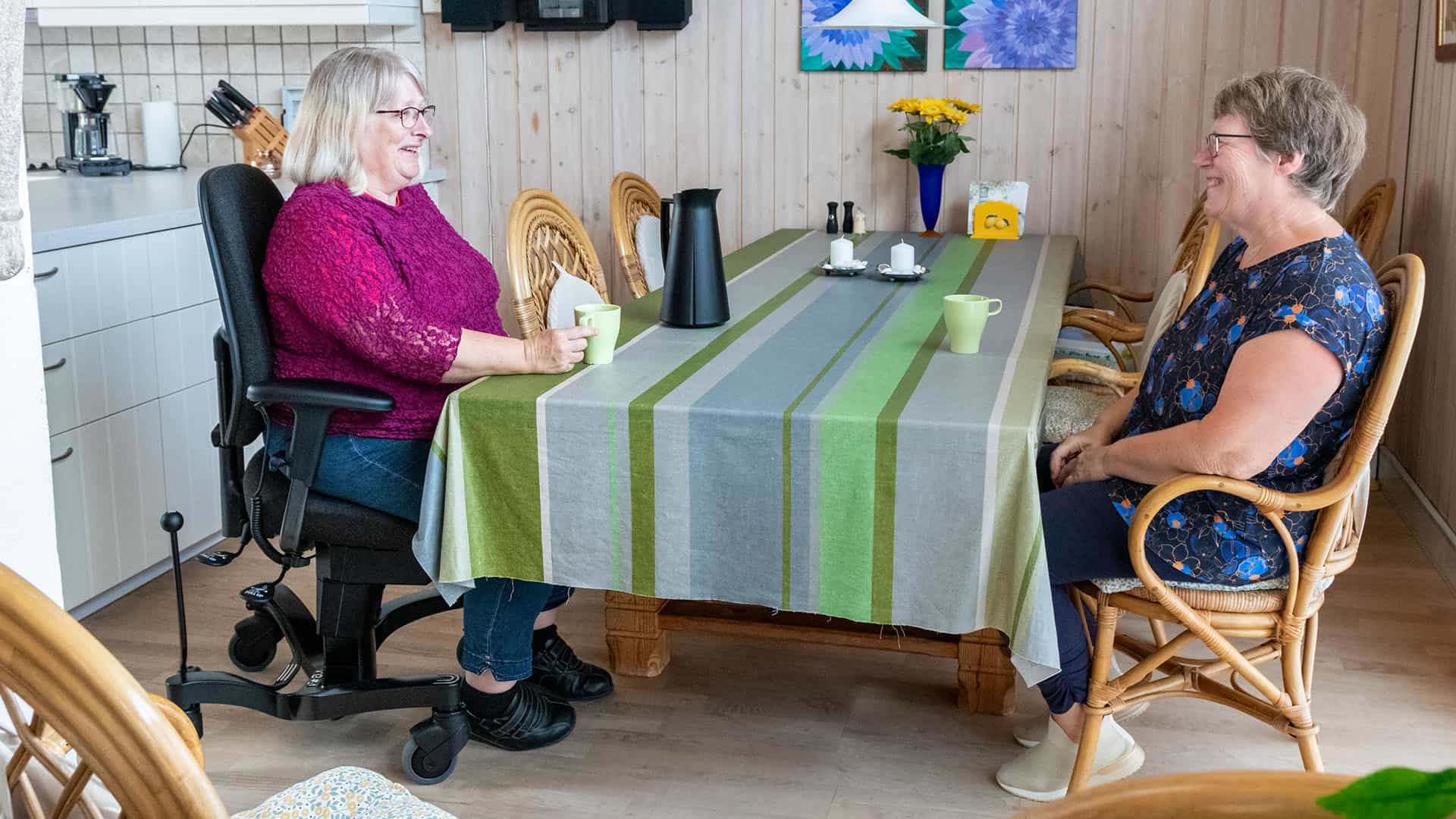
Transitioning from the challenges faced in traditional nursing homes, where residents often encounter barriers to autonomy and engagement, solutions designed for home use, such as the VELA Independence Chair, are redefining senior living. The VELA Chair, a medically approved mobility chair, offers enhanced safety and freedom of movement while seated, supporting daily activities like cooking or dressing. By reducing the physical demands on informal caregivers, it allows older adults to maintain their independence longer in their own homes.
How Care Partnership Enhances Senior Independence
Central to the care partner philosophy is the empowerment of seniors through increased independence. The dignity and autonomy promoted in care partner interactions enable seniors to retain control over their lives. For instance, allowing seniors to choose their meals with a care partner enhances autonomy in daily routines.
Emerging technologies now play a vital role in supporting independence and collaboration. AI-driven predictive analytics help anticipate potential health events such as falls or hospitalizations, enabling care partners to provide proactive interventions. The integration of wearable devices and remote patient monitoring allows for real-time tracking of vital signs, supporting responsive care and reducing hospital readmissions. Robotics have expanded beyond physical assistance to include social companionship and automated support within the home, fostering both safety and engagement for seniors[2].
Practical tools and frameworks, including mobility aids like VELA chairs, are crucial in minimizing fall risks and improving safe navigation through living spaces. These tools build confidence and encourage engagement in daily activities. For more insights on mobility aids, visit Support for Seniors at Home.
Smart home automation and access control are increasingly integrated, supporting safer living environments. Mobile credentialing, cloud-based controls, and intelligent building systems provide both residents and care partners with greater flexibility and security[1]. Innovations in ergonomic, inclusive, and customizable design have made devices easier to use for a wide range of disabilities, ensuring usability and reducing barriers for vulnerable seniors[4].
Core Services Offered by Care Partner-Based Providers
The comprehensive services of care partners extend beyond basic daily living assistance to offering companionship and customized care plans. For example, a resident may benefit from medication management paired with social activities tailored to their preferences, as detailed on Care Partners At Home.
Today’s care plans increasingly leverage multi-device ecosystems. Coordinated use of wearables, smart home sensors, and telehealth platforms support individualized care. This integration not only strengthens safety but also empowers care teams with actionable data for timely decision support. Recent clinical guidelines encourage this technology-enabled approach as essential for modern rehabilitation and aging in place strategies[5].
The introduction of aids like VELA chairs ensures that mobility solutions enhance the caregiving environment, enabling efficient and safe daily task performance. More information on these aids is available at Fall Prevention Strategies.
How Do “Care Partners” Support Memory Care and Dementia?
Supporting those with dementia requires specialized strategies that highlight the care partners’ model. Here, emphasis is placed on acknowledging each resident as an individual beyond their diagnosis. For example, engaging residents with consistent communication and activities that evoke early memories can significantly enhance their cognitive abilities. The facilitation skills from the Mayo Clinic help care partners discover innovative methods to actively involve residents in decisions.
Advancements in assistive technology, such as AI-driven cognitive support tools and social companion robotics, now provide additional resources to enrich the care partner model for dementia and memory care. These innovations increase engagement, offer reminders, and facilitate communication, helping residents maintain a sense of agency and connection[8].
Exploring Alternatives to Nursing Homes
In the quest to remain independent at home, solutions like the VELA Independence Chair offer tangible benefits to seniors. This chair addresses common aging challenges, providing stability with its central brake system, and aiding in fall prevention and energy conservation—critical for activities like cooking and cleaning. With electric height adjustability, it simplifies transfers, empowering seniors to engage in daily tasks safely. Through its thoughtful design, the VELA Chair supports seniors in maintaining their dignity and freedom, potentially delaying the transition to more restrictive care environments. While the chair is a proven and practical tool, it’s one of many solutions available to support aging in place effectively.
References
- ButterflyMX, “Senior Living Technology Trends 2025”
- Definitive Healthcare, “Aging-in-Place Driving Innovation in Tech and Healthcare”
- Market.us Media, “Assistive Technology Statistics and Facts (2025)”
- Health Dimensions Group, “2025 Top Trends in Aging Services”
- Taylor & Francis Online, “Development of AI-Driven Decision Support System for Assistive Technologies”