

Updated February 2026: We have updated the article with the latest 2026 breakthroughs in assistive technology for senior care, including AI-integrated smart walkers, rollators with fall detection and GPS, wearable exoskeletons for gait support, smart wheelchairs with autonomous navigation and pressure monitoring, and AI-powered health monitoring linked to telehealth. The article now highlights how these innovations enhance resident safety, independence, and caregiver support at facilities like Central Parke and details recent trends in technology adoption, device accessibility, and personalized care through advanced connectivity.
Updated October 2025: We have updated the article to reflect the latest advancements in assistive technology for senior care, including AI-powered mobility aids, wearable exoskeletons, AI-driven smart glasses, and smart home integrations. The importance of professional assessment, device adaptability, evolving regulations, and user-centered design is also highlighted, ensuring the information aligns with current best practices and trends.
Meeting the Increasing Demand for Specialized Senior Care: Central Parke’s Unique Offerings
As the demand for senior care facilities continues to grow, communities like Central Parke Assisted Living & Memory Care in Mason, Ohio, stand out by offering tailored services to meet the diverse needs of seniors. With such facilities accommodating over 1 million licensed beds across the U.S. as of 2022, according to the CDC, finding a community that excels in both assisted living and memory care is crucial for families. Central Parke’s exemplary reputation is evidenced by an average rating of 5.0/5.0 from user reviews on Caring.com, reflecting high satisfaction among residents and their families.
Understanding Assisted Living and Memory Care: What Makes Central Parke Unique?
Central Parke offers a comprehensive approach to senior living by combining assisted living with a specialized memory care program tailored for individuals with cognitive impairments. Assisted living provides support with daily activities, while memory care focuses on managing conditions like Alzheimer’s and dementia. The facility adopts a “Person-Centered Care” philosophy, a method endorsed by Certified Dementia Practitioners and enriched with life-enhancing activities such as pet therapy and live music. According to the National Institute on Aging, such approaches nurture an environment promoting dignity and engagement for residents.
Who Are the Ideal Residents? Age, Health Needs, and Socio-Economic Factors
Central Parke typically serves residents aged 75 and older facing health challenges such as Alzheimer’s, mobility impairments, and chronic conditions like diabetes or hypertension. Financially, potential residents usually belong to mid-to-upper income levels and finance their care using a mix of private funds, long-term care insurance, and sometimes Medicaid, where applicable. Insights from Haven Senior Investments and the State of Ohio Department of Aging indicate that financing options play a crucial role in senior care accessibility.
Pricing and Value: What Does Assisted Living Cost in Mason, Ohio?
Central Parke’s pricing structure begins at $4,300 monthly, which is competitive in the Mason area, where the median monthly cost for assisted living is around $4,635. This price point reflects essential living services and added value from personalized care and various amenities. Testimonials from current residents frequently praise the compassionate staff, engaging activities, and excellent dining as substantial contributors to perceived value.
Life Enrichment, Wellness, and Person-Centered Care Approaches
Central Parke’s Six Pillars of Wellness program exemplifies their commitment to holistic enrichment, encompassing physical, emotional, intellectual, social, spiritual, and vocational wellness. The program includes daily activities such as yoga, art classes, and social clubs. A typical scenario might involve residents starting their day with gardening, attending a live music event in the afternoon, and participating in mindfulness meditation in the evening. Research published in the Journal of the American Geriatrics Society supports that such person-centered care models significantly improve residents’ engagement and well-being.
As older adults weigh their long-term care options, many seek to delay or avoid transitions to traditional nursing homes where possible. The challenge lies in maintaining independence while ensuring safety, especially regarding mobility and fall prevention. Recent advances in assistive technology now play a central role in supporting these goals. In 2026, key breakthroughs featured at international showcases such as CES include AI-integrated smart walkers and rollators equipped with fall detection and GPS, wearable exoskeletons that provide gait and rehabilitation support, and smart wheelchairs with autonomous navigation and real-time pressure monitoring sensors. These innovations empower residents with advanced safety, autonomy, and smooth indoor-outdoor mobility, often featuring lightweight materials and ergonomic designs for daily life All Seniors Foundation, 2026 Ability MT, 2026 IT Supply Chain, 2026 Double Tap on Air, 2026 YouTube, 2026 McKnight’s Home Care, 2026. Smart mobility devices are now widely adopted in leading communities and frequently chosen for their strong integration with AI monitoring, fall-reduction features, and connection to telehealth platforms for real-time wellness updates.
Communication aids continue to advance with AI-powered devices such as smart glasses, offering real-time audio descriptions, navigation support, and object recognition to assist residents with sensory or cognitive impairments. Wearable technology, including personal exoskeletons and health trackers, is becoming standard for higher-risk residents, providing additional stability, reminders for daily routines, and constant health feedback accessible to caregivers and families All Seniors Foundation, 2026 IT Supply Chain, 2026.
Modern senior living environments now routinely feature interconnected smart home systems: voice-activated lighting, doors, climate control, and universal fall detection. These solutions are designed to extend the autonomy of aging residents while maintaining safety protocols and simplifying caregiver oversight. For those in memory care, AI-enabled tracking and health-monitoring tools assist staff in personalizing routines and monitoring changes in cognitive or physical status for early interventions. Many facilities, including Central Parke, are adopting device add-ons and telehealth platforms that allow both families and clinicians to receive instant health updates, aligning with the growing trend of remote care integration Ability MT, 2026 McKnight’s Home Care, 2026.
Adoption of these advanced technologies requires a renewed focus on user-centered assessment, training, and integration into daily life. Professional evaluation and ongoing education ensure each device matches a resident’s evolving needs, while maintenance, support, and data security remain priorities. Caregiver support is also enhanced by AI tools that help with safe patient transfers (using mechanical lifts and responsive exoskeletons) and reduce workplace strain, supporting staff in delivering attentive, dignified care. As regulation continues to adapt, more insurance coverage is now available for smart DME where justified by clinical need, especially when supported by detailed health records and outcomes data IT Supply Chain, 2026 McKnight’s Home Care, 2026.
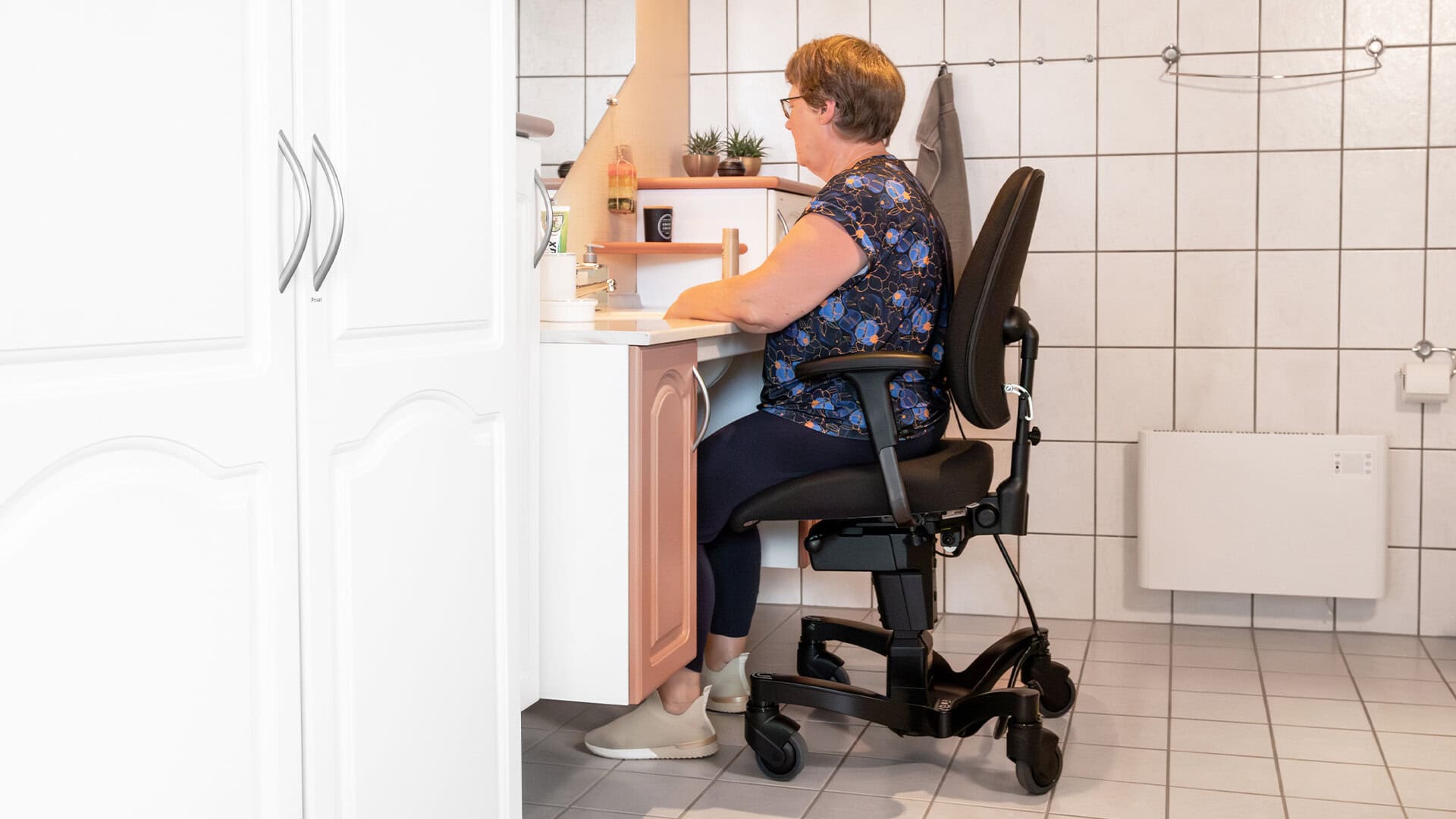
Solutions like the VELA Independence Chair remain important for those preferring to “age in place.” Designed for home use, VELA Chairs are medically approved mobility aids that provide enhanced safety, intuitive operation, and freedom of movement while seated. These and similar adaptive solutions are increasingly evaluated in real-world settings to ensure they offer the expected value in everyday life and can be adapted as user needs change All Seniors Foundation, 2026 Ability MT, 2026 IT Supply Chain, 2026.
Central Parke’s Excellence in Care
In summary, Central Parke Assisted Living & Memory Care distinguishes itself through its commitment to person-centered care, life-enhancing programs, and strategic use of adaptive technologies. By accommodating diverse resident needs while emphasizing wellness and independence, Central Parke demonstrates a dedication to creating a supportive, engaging, and safe community. Today, effective senior care requires staying current with AI-driven, connected, and wearable assistive technologies, ongoing professional assessment, and strong user training. For those considering senior care options, resources from the National Institute on Aging and the State of Ohio Department of Aging offer additional insights into navigating senior living choices and benefits.
How Mobility Solutions Like VELA Make a Difference
VELA Chairs are a practical solution for aging individuals seeking to maintain their independence at home. Their central brake system ensures safety, reducing fall risk—a significant concern highlighted in environments like Central Parke. Features such as electric height adjustability allow users to comfortably engage in daily activities like cooking or cleaning without overextending themselves. Besides offering ease of movement while seated, VELA Chairs support seamless transfers, preserving the dignity and autonomy of their users. These advantages align with the user-driven features now expected from modern adaptive devices, including easy operation, remote customization, and adaptability as needs change. Solutions like these can delay the need for nursing home admission, providing a smart alternative for those who value staying in their familiar home environment. While VELA does not represent the only path to aging in place, it exemplifies how thoughtful design and the latest technological advances can extend the freedom and safety seniors deserve. For more details on these adaptive solutions, explore power mobility chairs aiding independence.