

Updated October 2025: We have updated the article with the latest trends in affordable senior living, including integration of smart home and AI-powered health technologies, growth of a la carte and modular pricing models, expanded design for mixed-generation communities, and current strategies supporting solo agers and technology-enabled independent living.
Navigating Affordable Senior Living Options
Finding “cheap assisted living near me” is an utmost priority for families seeking affordable yet quality senior care. According to the Centers for Disease Control and Prevention, nearly 810,000 residents live across 30,000 assisted living communities in the U.S., highlighting the vast range of choices available. Despite the daunting task, finding the right fit is essential and feasible. Whether the search is prompted by sudden health changes or financial constraints, awareness of the average monthly cost—typically $4,000 nationwide but potentially exceeding $7,000 in certain areas—is crucial through Caring.com’s insights. Additionally, setting realistic expectations regarding financial support is vital, as Medicare generally does not cover the complete cost of assisted living per Medicare guidelines.
Understanding “Cheap” Assisted Living: What Does “Affordable” Truly Mean?
Affordability in assisted living largely depends on location, necessary services, and desired amenities. Recent trends show a shift from traditional all-inclusive packages to flexible, modular living arrangements and a la carte service models, enabling seniors to only pay for the specific services they need and giving families greater control over costs [2] [6]. Active adult communities, co-housing, and lease-based programs are expanding, combining affordability, flexibility, and personalized care [3]. The need for reassessment of living arrangements becomes crucial when dealing with sudden health deteriorations, such as declining mobility, especially for seniors without immediate family support (“solo agers”) who benefit from these adaptive and supportive environments [1].
Common Costs and Payment Strategies for Assisted Living
Assisted living costs generally include housing rent, care services, and amenities. With the rise of a la carte service offerings, seniors and families can further tailor these costs to their specific needs [2]. Common payment strategies encompass Social Security, pensions, long-term care insurance, and sometimes creative solutions such as life insurance conversions or asset sales. As Medicare typically does not extend to covering full assisted living costs Medicare.gov, understanding these payment options is essential. Increasingly, communities are also adopting advocacy and wellness check-ins, tailoring support for solo agers and middle-income seniors who may lack immediate family assistance [1] [3]. Families often share stories of financial creativity, such as selling unused properties to address funding shortfalls.
How to Compare and Vet Local Assisted Living Facilities
When evaluating local facilities, consider quality, cost, and user reviews. New options increasingly feature smart home systems, telemedicine, AI-assisted care, and remote health monitoring to increase safety, minimize dependence on in-person staffing, and help manage chronic conditions—features that appeal to seniors looking for both affordability and independence [4] [8]. Platforms like Caring.com can facilitate comparative cost analysis, highlighting facilities that balance affordability with high care standards. Personal visits or virtual tours, testimonials, and accreditation checks remain crucial selection steps. Also consider communities offering mixed-generation or intergenerational environments with amenities designed for social connection and wellness, which support active, socially integrated lifestyles [7].
Enhancing Daily Living with Adaptive Equipment
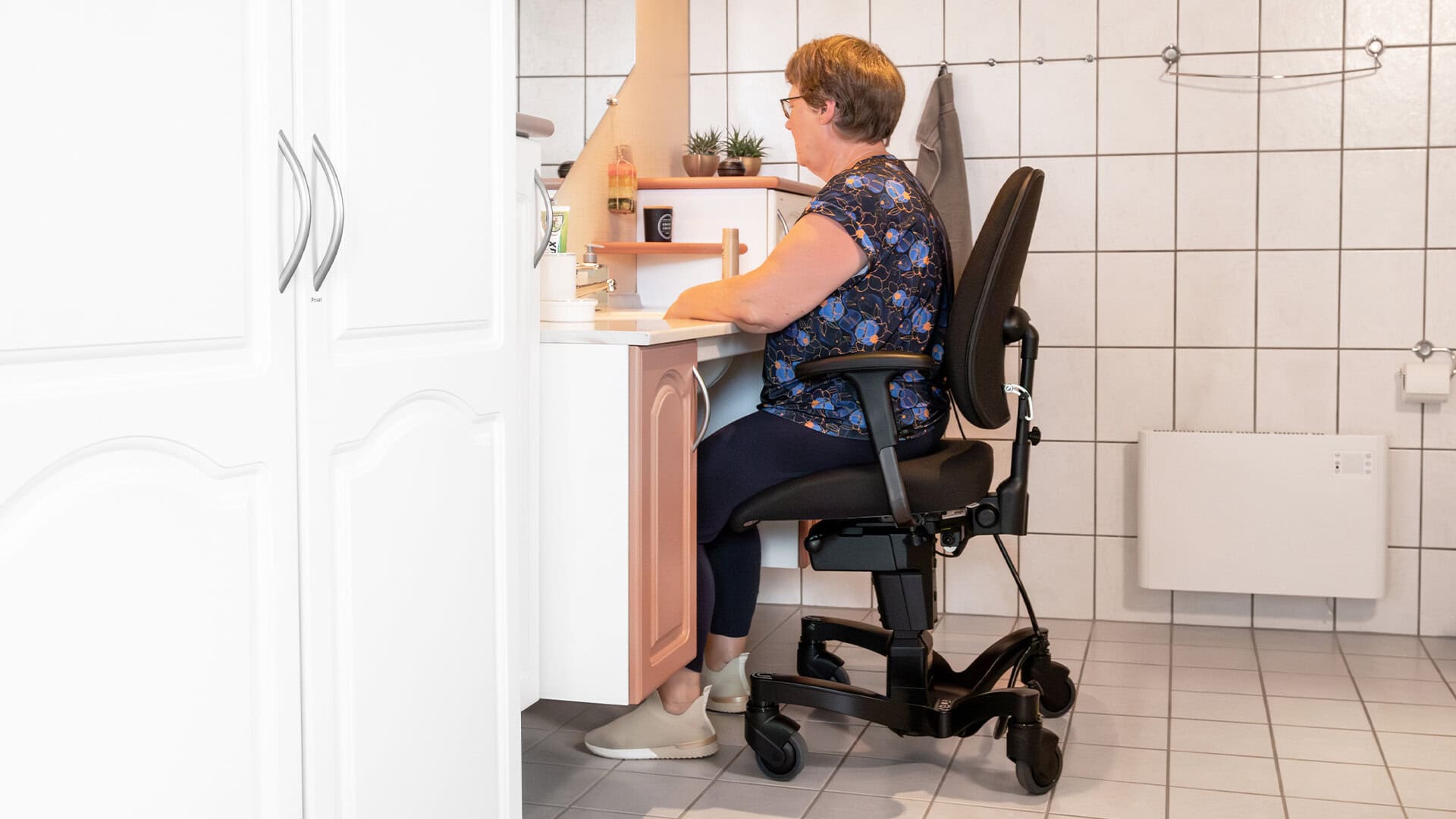
Navigating the challenges of affordable assisted living can often feel overwhelming, especially when faced with the prospect of moving into a nursing home. However, there are solutions that enable older adults to maintain independence within their own homes, thereby delaying or even avoiding such transitions. Integrating adaptive equipment designed for home use, such as the medically approved VELA Independence Chair, can be a pivotal part of this strategy. VELA chairs provide enhanced safety with features like a central brake for secure seating, effortless movement for activities, and electric height adjustability to support cooking, dressing, or transferring. Additionally, the rise of smart home integrations, remote health monitoring, and wearable technologies means seniors with mobility or health challenges can optimize safety and independence while remaining in familiar environments [4].
How Mobility Solutions Like VELA Make a Difference
Utilizing mobility solutions like the VELA Chair can profoundly impact an individual’s ability to remain independent at home longer. These chairs are specifically designed to address core issues such as safety, energy conservation, and ease of transfer—key factors that might otherwise necessitate a move to a nursing home. With features like ergonomic support for effortless seated movement, and adjustable settings for various activities, seniors can secure a dignified and active lifestyle at home. This practical solution meets everyday needs like cooking and cleaning while preserving personal agency and reducing the physical strain on caregivers. Smart home and monitoring technologies now further supplement such mobility solutions, promoting safe, remote-independent living and supporting proactive wellness management [8]. Though VELA is just one of many options available, its proven effectiveness in supporting Aging in Place Solutions makes it an attractive option for many families considering alternative pathways to residential care.
- Align Senior Care, “Senior Living Trends | 2025 Senior Health Trends”
- A Place for Mom, “Assisted Living Costs by State: 2025 Pricing Guide”
- McKnight’s Senior Living, “Seven trends in senior living that will define 2025 and beyond”
- Heisinger Bluffs, “The Future of Senior Living”
- Rochester Business Journal, “Senior living trends highlight housing, tech, workforce”
- Gensler, “Trends to Watch Shaping the Future of Senior Living Design”
- CLA Connect, “Senior Living and Care: Four Key Drivers of Activity in 2025”