

Updated September 2025: We have updated the article to reflect the latest advances in assistive technology for seniors and people with disabilities, including AI-powered prosthetic devices, intelligent wheelchairs, voice-controlled smart home adaptations, and expanded government subsidy programs in China, as well as current user feedback and strategic policy directions.
Chinese-Speaking Assisted Living: A Comprehensive Guide
As the United States becomes increasingly diverse, there is a growing demand for culturally sensitive senior living options. For Chinese-speaking seniors, finding assisted living communities that provide language support and culturally familiar environments can greatly enhance quality of life and ease the transition to residential care. According to Retirement Living, by 2030, 21% of the U.S. population will be 65 or older, underscoring the urgent need for these specialized facilities.
The Growing Demand for Chinese-Speaking Assisted Living
Demographic trends reveal a pressing need for culturally specific assisted living options that cater to Chinese-speaking seniors. Language barriers in traditional facilities can result in social isolation, miscommunication of health needs, and diminished quality of life. Many seniors from Chinese backgrounds maintain strong cultural traditions, preferring familiar cuisine and cultural celebrations such as the Lunar New Year. Facilities like the Merced Residential Care in San Francisco exemplify communities that offer language support and culturally relevant activities, addressing these specific needs SeniorLiving.org.
Navigating the Chinese-Speaking Assisted Living Market
The costs associated with assisted living vary significantly, with specialized services like Chinese-speaking communities often requiring a premium price. In contrast to traditional settings, facilities such as Joyful Chapter in South San Francisco provide tailored services specifically for Chinese seniors, with all staff fluent in Cantonese and Mandarin. They offer authentic cultural experiences, festive celebrations, and cuisine, setting a benchmark for culturally attuned care Verified Market Research.
Selecting the Right Community for Chinese-Speaking Seniors
When choosing a Chinese-speaking assisted living community, it’s crucial to consider the following factors:
- Language Support: Ensure the staff speaks the necessary Chinese dialects, such as Mandarin or Cantonese, and that there are adequate translation services available, particularly for medical appointments.
- Cultural Elements: Seek communities that offer authentic cuisine, traditional holiday celebrations, and activities like mahjong or tai chi that are rooted in Chinese culture.
- Care Quality: Evaluate staff qualifications, experience, and the availability of specialized care options like memory support. Facilities should demonstrate proficiency in addressing conditions prevalent in aging Chinese populations, such as diabetes and hypertension.
- Community Integration: Proximity to Chinese neighborhoods can facilitate cultural connections and provide easy access to familiar services such as Chinese grocery stores, restaurants, and places of worship.
Embrace Living Communities in Chicago highlights the importance of integrating seniors into culturally rich environments, allowing for faith-based activities and easy access to Chinese amenities CLA Connect.
Enhancing Mobility and Independence with VELA Chairs
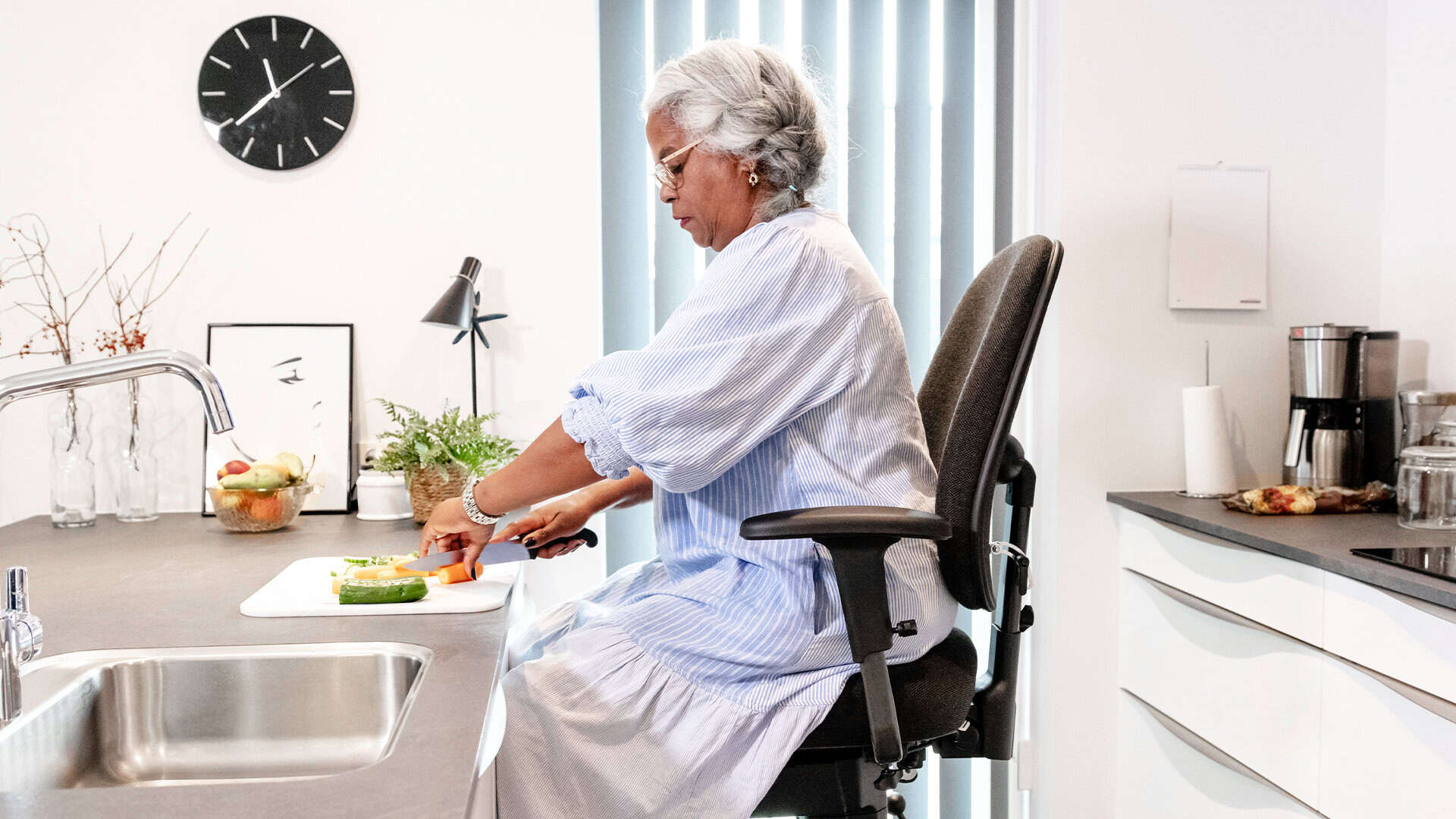
The challenges nursing homes face in catering to cultural and linguistic needs align with maintaining independence and mobility for older adults in their own homes. Solutions that promote self-sufficiency, such as the VELA Independence Chair, serve as an effective means to overcome these challenges. The VELA Chair is a medically approved mobility chair specifically designed for use at home. It enhances safety, offers freedom of movement while seated, and supports daily activities like cooking, dressing, or transferring. By reducing the physical demands on informal caregivers, it allows seniors to remain active and involved in their communities, ultimately enhancing their quality of life.
Technological Advancements in Assistive Devices and Smart Living
Recent years have brought notable advancements in assistive technologies for seniors and people with disabilities, both in China and internationally. The integration of artificial intelligence (AI), brain-computer interfaces, and robotics has resulted in smarter, more user-friendly devices that enhance mobility, independence, and social participation. For example, the 2025 Care & Rehabilitation Expo in Beijing showcased advanced prostheses featuring AI for improved comfort and mobility, intelligent wheelchairs, and rehabilitation exoskeletons designed to support daily walking and intensive therapy. Developments in wearable health monitors allow for continuous tracking of vital signs and early detection of cognitive decline, reducing hospitalizations by up to 30% China Daily INTCO Medical.
There is also rapid growth in smart home adaptation systems integrated with AI and IoT sensors, which automatically adjust lighting, temperature, and other factors while monitoring resident health and safety. Voice-controlled interfaces and emergency alert functions support aging in place and provide greater independence for seniors, including those with dementia. The increasing usability and adoption of voice assistants have also been shown to reduce loneliness and help seniors manage daily tasks more effectively PMC.
Government Support and Policy Initiatives
In China, strong government support continues to accelerate innovation and access to assistive technologies. The China Disabled Persons’ Federation has expanded device subsidies and launched pilot programs offering full coverage for multiple categories of assistive devices. There is a clear policy focus on meeting the diverse and growing needs of seniors and people with disabilities, with calls for continued industry innovation and development of integrated solutions. These measures help bridge accessibility gaps and improve overall wellbeing for the elderly population Women of China HROne.
User feedback and expert insights emphasize that modern assistive devices are not only supporting mobility and safety, but also improving emotional well-being and opportunities for social engagement among seniors and people with disabilities China Daily Global.
Practical Experience in Assisted Living
Working with many Chinese-speaking seniors in assisted living facilities, caregivers often encounter the vital role of maintaining cultural connections for seniors’ mental health. For instance, arranging weekly Mahjong games not only provides cognitive stimulation but also fosters a sense of belonging. Additionally, celebrating traditional festivals like Mid-Autumn with moon cakes and lantern-making activities can brighten seniors’ spirits and keep them connected to their heritage.
Trust and Expertise in Care Provision
While language and cultural integration are clear advantages, potential limitations include higher costs and sometimes limited availability of nearby Chinese-speaking communities. Despite these challenges, the focus remains on providing current, accurate, and comprehensive care choices that cater to the nuanced needs of Chinese-speaking seniors in the U.S.
Exploring Alternatives to Nursing Homes
For many seniors, staying in the comfort of their home is a preferred option. Mobility solutions like the VELA Independence Chair offer significant benefits in supporting this choice. With features such as a central brake for safety, electric height adjustability, and ease of movement while seated, these chairs enable seniors to maintain independence and handle daily activities more comfortably. By alleviating some of the physical demands on caregivers, they also help reduce caregiver burden. This freedom and safety can delay the need for a nursing home by ensuring seniors retain the dignity and energy required to engage actively with their surroundings. While VELA provides a proven solution, it’s essential to explore various tools that cater to the diverse needs of the elderly Supportive Mobility Chairs.