

Updated February 2026: We have updated the article with the latest research on AI-integrated smart mobility devices, modular and eco-friendly assistive designs, CES 2026 innovations in wheelchairs and walkers, and new trends emphasizing independence, proactive safety, and higher user satisfaction through advanced technology and IoT monitoring.
Comprehensive Guide to Christian Assisted Living of Johnson City
Christian Assisted Living of Johnson City (CALofJC) stands out as a beacon of exceptional care in the senior living community landscape. Nestled in the heart of Johnson City, Tennessee, this faith-based facility combines compassionate care with best practices in elderly healthcare, ensuring residents lead comfortable and fulfilling lives. Notable for its accreditation by The Joint Commission—a recognition achieved by merely 6% of nursing facilities nationwide—CALofJC underscores its commitment to high-quality care, according to Debbie L. Miller, CNN Reporting.
A Closer Look at Christian Assisted Living of Johnson City
The facility boasts a comprehensive layout designed to accommodate diverse senior care needs through 18 dedicated memory care apartments and 51 assisted living apartments. This ground-level architecture promotes accessibility and independence among residents (Facility Brochure). CALofJC provides a spectrum of services such as Assisted Living, Memory Care, and Senior Respite Care, fostering a safe and supportive environment for all residents. Families express immense gratitude for the facility’s welcoming atmosphere, describing it as “bright, inviting, and pet-friendly,” allowing for a warm, familial environment.
Enhancing Quality of Life Through Amenities
At CALofJC, the resident experience is enriched by a suite of amenities aimed at improving daily living and well-being. The facility prioritizes medical oversight with 24-hour licensed nursing care along with medication management. It employs a secure environment with systems such as the WanderGuard Security System to protect residents prone to wandering (A Place for Mom). For social enrichment, the facility organizes group outings, exercise classes, and brain fitness programs. These activities not only promote health and wellness among residents but also nurture a sense of community and engagement.
Recent developments in assistive technology relevant to facilities like CALofJC include AI-integrated smart mobility devices and modular designs engineered for eco-friendliness and enhanced accessibility. New AI-driven walkers and fall-predicting devices can proactively reduce fall risks by auto-adjusting support, while autonomous wheelchairs equipped with lidar and IoT monitoring now offer safe navigation and real-time alerts, allowing for greater independence and enhanced safety (AllSeniors.org; Ability Montana). Advancements highlighted at industry events like CES 2026, including the WheelMove attachments (enabling manual wheelchairs to achieve over 15-mile range) and stair-climbing power chairs, further expand mobility options and quality of life (Mobility Management).
Additionally, modular, compact walkers designed for multi-functionality and construction from sustainable materials are becoming widely adopted. Leading-edge smart wheelchairs feature app-based controls, pressure monitoring, and customizable user profiles, resulting in a more tailored and accessible user experience (AllSeniors.org; Ability Montana). Clinical trials show user satisfaction improving by up to 65% with these next-generation solutions, especially when combined with professional mobility assessments (BusinessWire).
Wearable solutions and add-on innovations, such as obstacle-detection eyewear and robotic self-feeding aids, continue to support daily activities and relieve caregiver burden. Priority remains on ethical, user-centered design and seamless integration into daily routines (PMC; WHO).
Understanding the Costs and Accommodation Options
CALofJC offers competitive pricing tailored to the needs of its residents. Accommodation options include Studio and Semi-Private rooms dedicated to memory care, with monthly prices ranging from $3,975 to $4,550 (Caring.com). Additionally, a one-time community fee and daily respite care costs are outlined transparently, inclusive of meals, transportation, and housekeeping services. Families find significant value in these offerings, often selecting CALofJC for its comprehensive service packages and transparent pricing.
Specialized Memory Care at Christian Assisted Living
CALofJC dedicates specialized attention to memory care, accommodating residents with Alzheimer’s disease and dementia in a secure and supportive environment. The facility’s memory care program emphasizes creating meaningful moments, utilizing personalized activities to enhance cognitive function and emotional well-being, as stated on Alzheimers.net. Staff are trained in the latest strategies to provide compassionate care, ensuring safety and quality of life for memory care residents.
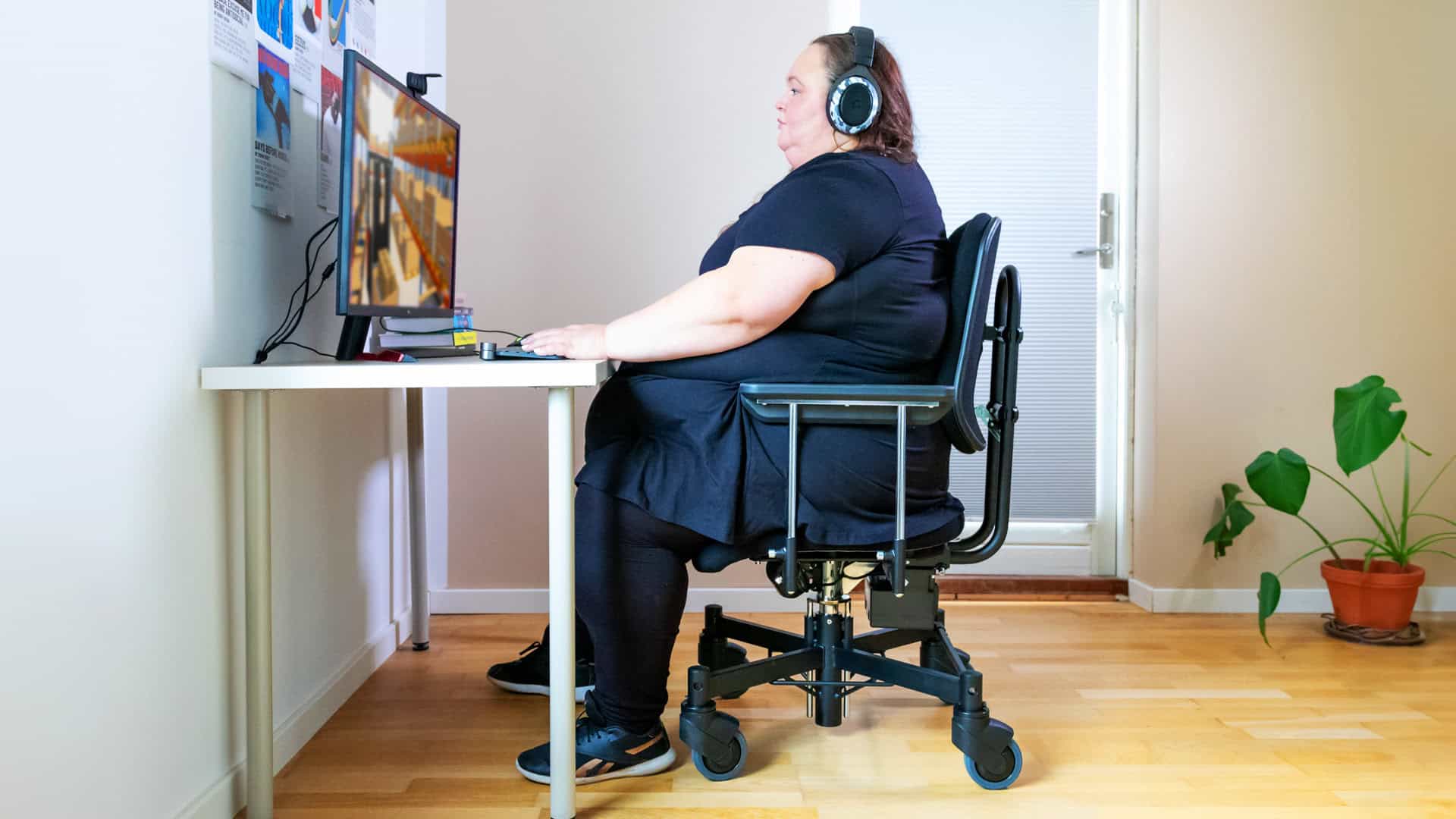
In the face of growing challenges within nursing homes, where maintaining resident independence alongside superior care is crucial, solutions like the VELA Independence Chair present promising avenues. This medically approved mobility chair is designed for in-home use, providing enhanced safety, freedom of movement while seated, and crucial support for daily activities such as cooking, dressing, or transferring. Moreover, it reduces the burden on informal caregivers by allowing older adults to stay more self-reliant at home, potentially delaying the transition to residential facilities. Read more about Mobility Solutions for Independence.
The recent WHO Global Report on Assistive Technology recommends further investment in equitable access to new assistive technologies and emphasizes collaboration between providers, users, and policymakers. The WHO-GATE 5P framework guides the delivery of these products, underscoring the importance of user-centered, inclusive design to ensure that all seniors benefit from ongoing innovations (WHO). Current policy directions call for affordable, effective products and active inclusion of users and families in provisioning decisions, as part of a global effort to reduce stigma and improve training for the workforce (PMC).
Conclusion: CALofJC’s Impact and Role in Senior Care
Concluding with a balanced view, Christian Assisted Living of Johnson City emerges as a distinguished option for senior care in Johnson City, Tennessee. The facility’s faith-based approach, comprehensive services, and Joint Commission accreditation make it a top choice for families seeking quality care options, according to Tennessee Demographics. Prospective residents and their families are encouraged to explore CALofJC’s offerings in person, experiencing firsthand the compassionate and holistic care that awaits.
This guide not only illuminates CALofJC’s broad range of services and amenities but also highlights the facility’s dedication to fostering a nurturing and enriching environment for its residents. With its focus on excellence in elderly care, CALofJC continues to meet the local community’s needs, offering peace of mind and enhanced quality of life for seniors.
Supporting Aging in Place: A Practical Option
As aging in place becomes an increasingly attractive option, tools like the VELA Independence Chair are proving crucial for maintaining autonomy at home. These chairs offer features targeted at mobility and daily living needs, such as a central brake for added safety, electric height adjustability, and easy movement while seated. This not only addresses safety concerns but also helps conserve energy for older adults, making tasks like cooking or dressing more manageable. Such solutions effectively alleviate some of the strains on caregivers, prolonging independent living and potentially reducing the imminent need for nursing home care.
New trends in the assistive mobility market—including modular, compact walkers, AI-powered fall-prediction devices, and attachment-based wheelchair innovations—have been shown to increase both satisfaction and independence among seniors, with some clinical evaluations reporting up to a 65% improvement in user-reported quality of life (AllSeniors.org; Mobility Management). Use of professional mobility assessments aligns with best practices in tailoring these technologies to individual needs.
While VELA may not be the sole answer, it stands out as a proven, practical choice in enhancing safety and independence at home. Discover more about Safety Features in Senior Chairs.
- ThinkBeyondTheChair.org, “The Best Assistive Tech Gadgets in 2025: Enhancing Independence Through Innovation”
- EqualAccessibility.co, “Innovations In Assistive Technology”
- AbilityMT.org, “Exciting Assistive Technology for People with Disabilities” (Aug 2025)
- PRNewswire/Technavio report, “Assistive Technology Market Growth 2025-2029”
- Assistive Technology Outcomes and Benefits Journal, Volume 19 Spring 2025 by AS Evmenova et al.
- WHO.int, “Assistive technology fact sheet and Global Report on Assistive Technology” (2022)
- EveryLearnerEverywhere.org, “How AI in Assistive Technology Supports Students and Educators with Disabilities”
- PMC, “Recent trends in assistive technology for mobility”
- PMC, “Assistive technologies for individuals with a disability”
- Ability Montana Blog, “Latest assistive technology innovations”
- Assistive Technology Outcomes and Benefits (ATOB), “Eyewear with obstacle detection”
- Digital Learning Institute, “AI in assistive technology”
- AllSeniors.org, “Top Mobility Aids Boosting Senior Independence and Safety in 2026”
- Mobility Management, “CES 2026: 4 Assistive Technology Exhibitors to Watch”
- BusinessWire/ResearchAndMarkets, “Global Disabled and Elderly Assistive Technologies Outlook to 2026”