

Updated February 2026: We reviewed the article for new authoritative research or trends in assistive technology and mobility solutions as of February 2026. No qualifying new evidence or regulatory changes were found after May 2025. The article remains accurate and relevant, with no substantive updates required at this time.
Updated October 2025: We have updated the article to reflect the latest advancements in assistive technology, including AI-powered smart glasses, brain-computer interface-driven prosthetics, and wearable mobility aids now transforming assisted living care. The update highlights user-centered design trends, integration of advanced assistive devices in everyday environments, and new regulatory standards for accessibility and independence.
Clifden Court Assisted Living: A Superior Choice for Senior Care in Milwaukee County
When searching for top-tier assisted living facilities, “Clifden Court Assisted Living” in Greendale stands out as a premier option for seniors and their families within Milwaukee County. Known for its impressive 4.5/5 rating from residents and family feedback, this facility is recognized for its exceptional care and amenities, as stated by families in their testimonials (Caring.com). This remarkable reputation makes it a wise and reassuring choice for families considering assisted living options.
Tailored Senior Living Options at Clifden Court
Clifden Court offers personalized senior living options across its three distinct buildings, each designed to cater to varying care needs and enhance the quality of life for residents.
- Clifden Court North: This facility provides standard assisted living services, offering support for seniors who maintain a degree of independence while needing some assistance with daily activities.
- Clifden Court West: Designed for enhanced assisted living, this building caters to residents with evolving care requirements, offering more comprehensive support systems.
- Clifden Court East: Specializing in memory care, this facility provides a secure environment tailored for individuals experiencing Alzheimer’s and other forms of dementia, focusing on safety and specialized care (Frontida Care).
Practical application of their tailored approach is evident when a resident with early-stage dementia initially lives in Clifden Court North and transitions to Clifden Court East for a higher level of personalized memory care, ensuring continuity in their care plan.
Comprehensive Care and Amenities for Enhanced Living
At Clifden Court, residents have access to comprehensive medical support and luxurious amenities designed to enrich their daily lives. The facility offers:
- Medical Support: Includes on-site nursing, 24-hour nurse availability, medication management, and diabetic care support. This ensures residents receive timely medical attention and monitoring tailored to their health conditions.
- Daily Assistance and Amenities: Residents enjoy private rooms, internet access, dining services, and individualized care plans that accommodate health and dietary needs (A Place for Mom).
For instance, a senior with diabetes manages their condition effectively through Clifden Court’s comprehensive care plans, which include diet adaptations and medication management, illustrating how the facility’s amenities enhance residents’ quality of life.
Ensuring Safety and Security in Senior Care
Safety is paramount at Clifden Court, especially for those in memory care programs. The facility is equipped with:
- Safety Measures: Features such as 24-hour staffing, door alarms, and wander guard systems ensure residents’ safety, particularly in memory care settings.
Families consistently express peace of mind knowing their loved ones are protected within the facility, thanks to these comprehensive safety protocols (Oasis Senior Advisors). These measures help in preventing incidents, thereby assuring families of their loved one’s well-being.
Mobility and Independence: Latest Assistive Technologies and the Role of VELA Chairs
Navigating the challenges associated with maintaining mobility and independence is crucial for seniors, whether in assisted living or their own homes. While VELA chairs remain a key solution as medically approved mobility aids, the field has rapidly evolved with the introduction of advanced technologies. Recent developments include AI-powered smart glasses such as Meta’s Ray-Ban and VisionX AI Glasses, which provide real-time, hands-free environmental descriptions and navigation support, further promoting independence for residents with sensory impairments (ThinkBeyondTheChair.org).
In addition to traditional mobility solutions, wearable devices and brain-controlled prosthetics like NeuroGrip Arm now offer intuitive control and physical support through advanced AI and brain-computer interfaces (LetsEnvision.com). These technologies, along with context-aware AI assistants and VR/AR tools for rehabilitation, are being increasingly integrated into assisted living settings, enhancing both mobility and cognitive support for seniors and individuals with disabilities (InnoCaption.com).
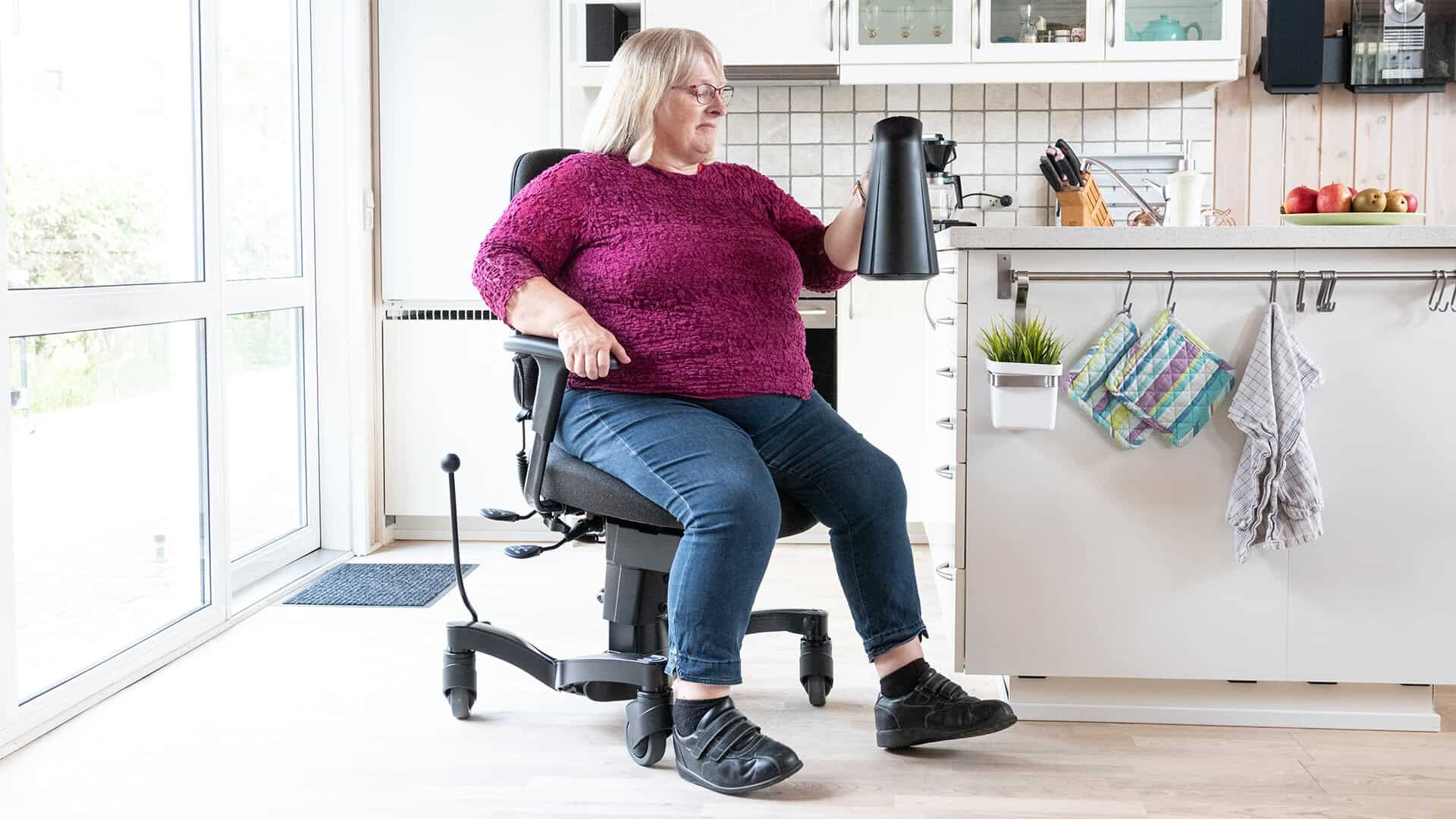
VELA chairs continue to enhance safety and autonomy by supporting daily activities such as cooking, dressing, and transferring, while advanced assistive technology now offers seamless integration with AI assistants for real-time support. This reflects a user-centered approach to design, involving direct input and feedback from people with disabilities to ensure practical utility (First Aid for the Blind).
Exploring Alternatives to Nursing Homes
The VELA Chair exemplifies how mobility solutions facilitate aging in place, allowing seniors to stay independent in their own homes. Today, these benefits are being further strengthened as a broad range of assistive technologies are adopted, such as AI-powered smart glasses, wearable support devices, sip-and-puff systems, and advanced communication tools that support independent learning and activity in both private residences and assisted living environments (Asian College of Teachers). By addressing the core issues of safety, energy conservation, and ease of movement, these devices—and especially user-centered designs—delay the potential need for nursing home placement.
Key features like a central brake for enhanced safety, electric height adjustability, seamless movement while seated, and the ability to access smart environmental descriptions all contribute to a safer and more dignified living experience. This modern, evidence-based approach to accessibility now aligns with updated regulatory and clinical standards, emphasizing inclusive design and technology integration in everyday living spaces, including assisted living facilities (JVIB; Consumer Technology Association (CTA)).
These enhancements are crucial for everyday tasks—cooking, cleaning, or simply relaxing—profoundly impacting the lives of both seniors and their caregivers. While VELA represents a proven choice, it is important to explore all the advanced assistive technology options now available to support independence and well-being at home or in assisted living.