

Updated February 2026: We have updated the article to reflect recent changes in Colorado’s assisted living regulations as of late 2025 and early 2026, including new minimum wage legislation for direct care workers, exemptions for small assisted living facilities under the latest bills, and an overview of national regulatory trends in staff training and education.
Navigating Colorado’s Assisted Living Landscape: A Guide to Regulations and Options
Understanding the complex landscape of Colorado assisted living regulations is crucial for families and caregivers seeking quality care for their loved ones. As Colorado emerges as one of the fastest-aging states in the U.S., having thorough knowledge of state-specific assisted living rules is essential to ensure safety and quality care for its elderly population. According to the Colorado Department of Public Health & Environment, all facilities must be licensed under the 6 CCR 1011-1 regulations.
Overview of Colorado Assisted Living Regulations
Every assisted living residence in Colorado is required to comply with distinct requirements to maintain licensure and operational standards. According to the Colorado Department of Public Health & Environment, these regulations, set forth in 6 CCR 1011-1, Chapters 2 and 7, include provisions for room, board, personal services, protective oversight, and, importantly, 24-hour supervision.
Recent legislation (HB25-1213) has eased regulatory requirements for smaller facilities (under 19 beds) that have not undergone new construction or major renovations, exempting them from certain Facility Guidelines Institute (FGI) rules and some state board of health compliance standards. This policy aims to reduce bureaucratic hurdles for eligible facilities while maintaining safety through adherence to fire and local building codes. The change is intended to expand Medicaid-funded assisted living capacity and address previous bed shortages and long waiting lists stemming from regulatory costs and low Medicaid reimbursement rates.[3][2]
For families exploring options for their loved ones, particularly those with cognitive impairments like dementia, these regulations act as safeguards designed to promote supportive and safe environments. State regulations maintain detailed requirements for comprehensive pre-admission assessments and secure environment criteria, which must now specifically cover medical and cognitive status before any placement in a secure setting. There is also an increased focus on protecting resident rights—limiting use of restraints and secure environments solely to situations justified under legal authority—to ensure resident safety and appropriate placement for those living with cognitive challenges.[8][6] When choosing a facility, it’s important to understand how these elements are tailored to meet individual resident needs, ensuring that comprehensive care is both delivered effectively and compliant with state standards.
Resident Rights and Discharge Procedures
The rights of residents in assisted living facilities are protected under the Colorado Revised Statutes – Title 25, Article 27. These statutes ensure that residents have the right to a dignified living environment, respect for privacy, and the ability to communicate grievances, which facility staff are required to handle promptly and effectively.
The involuntary discharge procedures are particularly crucial, designed to protect residents from being unjustly forced out of a facility. According to the 2023 Colorado Revised Statutes, these procedures provide clarity and security, ensuring that any disputes or changes in care are managed respectfully and ethically. For caregivers, this means peace of mind knowing there’s a regulatory framework prioritizing the welfare and rights of their loved ones.
Staff Training and Care Quality Requirements
High-quality care in assisted living facilities is largely dependent on the expertise and continuous training of their staff. In response to persistent workforce shortages and to improve recruitment and retention, Colorado is implementing significant minimum wage increases for direct care workers—from $17 to $25 per hour phased in over two years.[2] Direct care workers are required to undergo rigorous initial training and routinely engage in ongoing education to meet care standards. This process ensures they are well-equipped to address varying resident needs, from basic daily assistance to specialized care for conditions like reduced mobility.
Nationally, 18 states, including Colorado, updated assisted living regulations in 2025, with a key focus being direct care staff education and training, as well as administrator and director education requirements. This reflects a broad trend toward strengthening staff preparation and ongoing learning to improve resident outcomes and care quality.[2]
Experience suggests that facilities with well-trained staff can significantly improve outcomes for residents. This is demonstrated in situations where mobility-impaired residents benefit from targeted care interventions. Ongoing staff education is not just a mandate but a commitment to maintaining a high standard of living for residents.
Medicaid and Alternative Care Facility Options
For many older adults in Colorado, financial considerations are significant when choosing care options. Medicaid-certified Alternative Care Facilities (ACFs) provide vital services to low-income seniors, offering an essential alternative without compromising quality care. These facilities align with Medicaid guidelines, ensuring seniors who meet income and asset requirements receive necessary support services.
Recent policy initiatives aim to reverse losses in Medicaid bed availability. Efforts include easing regulatory compliance for select small facilities, with the specific goal of expanding Medicaid-funded assisted living options and reducing waiting lists.[3][2] Additional regulatory changes have taken effect, such as new requirements for a 60-day prior notification for facility changes of ownership (CHOWs), effective September 15, 2025. There are also updated rules that align surprise billing protections with the federal No Surprises Act, providing enhanced financial safeguards for residents.[4]
According to the Colorado Department of Public Health & Environment, seniors transitioning to an ACF can expect a continuum of care, including assistance with daily activities and medical oversight. This option highlights the state’s commitment to equitable care, presenting viable solutions to financial barriers.
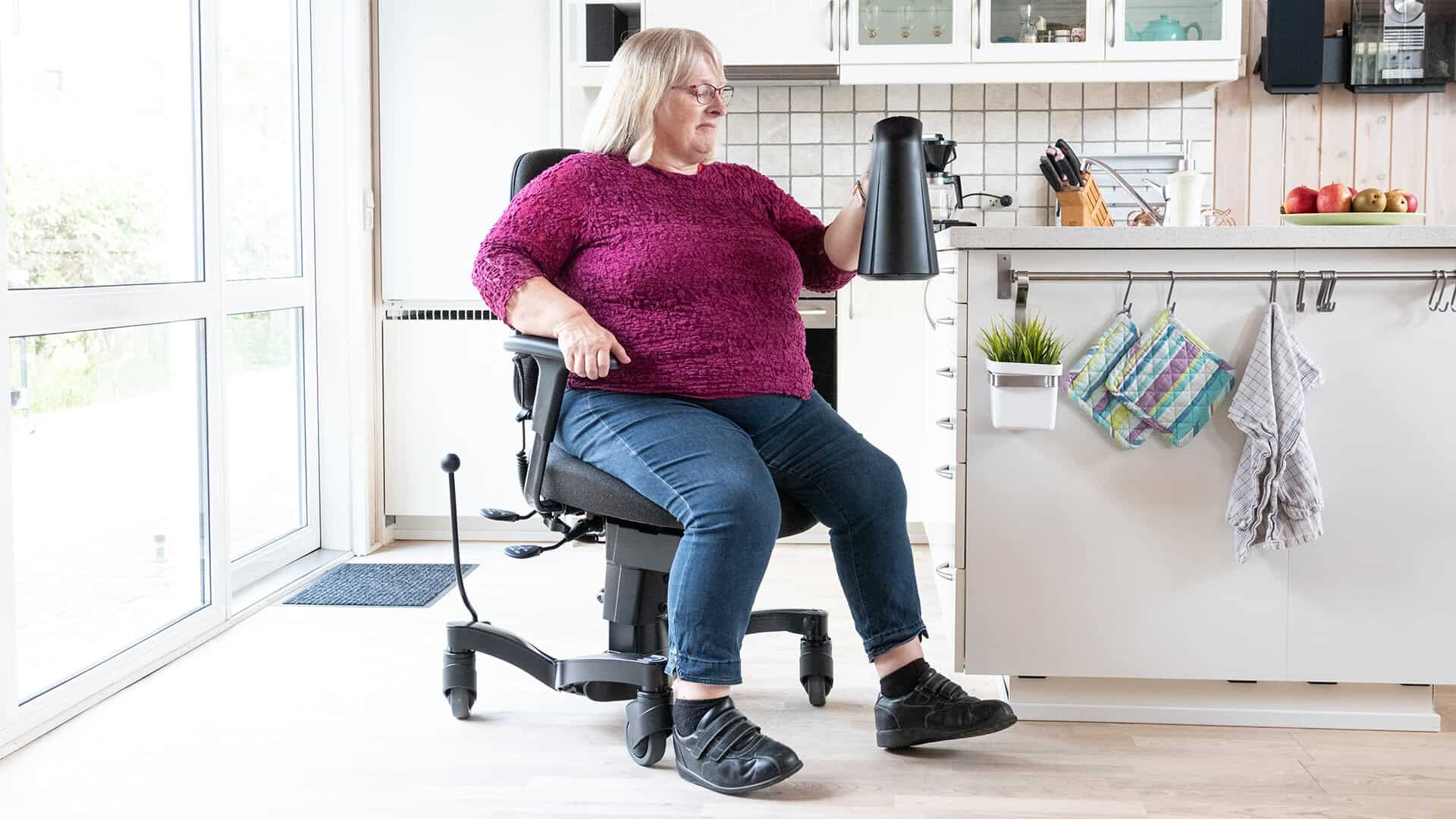
As the need for quality care increases, families often face the challenge of balancing the desire for their loved ones to stay in familiar environments with the complexities of aging. While nursing homes provide comprehensive care, they are not the only option. Many families seek alternatives that offer independence and comfort at home, reducing the burden on caregivers and improving life quality. The VELA Independence Chair is one such solution. This medically approved mobility chair is designed for home use, enhancing safety and freedom of movement while seated. It supports daily activities like cooking, dressing, or transferring, offering peace of mind by reducing caregiver load.
Supporting Aging in Place: A Practical Option
The VELA Independence Chair exemplifies how innovative solutions can extend the period older adults remain independent at home. With features like a central brake for enhanced safety and electric height adjustability, it addresses specific challenges of aging, such as maintaining balance and minimizing fall risks. While there are no new state regulations in Colorado directly mandating specific assistive devices or ergonomic rehabilitation products as of late 2025, national and international trends highlight increased use of advanced assistive technologies, including smart mobility aids, sensor-based fall detection, and personalized rehabilitation equipment. These are recognized as best practices in assisted living nationally and are increasingly recommended to promote independence and resident safety.[7] By easing daily tasks—whether it’s preparing a meal, changing clothes, or simply relaxing— the chair provides dignity and energy-saving advantages that may delay the necessity for assisted living or nursing homes. Specialized chairs for elderly safety and comfort, like VELA, showcase practical approaches for promoting independence, illustrating how thoughtful design supports both the elderly and their caregivers in everyday life. While VELA is not the sole solution, its proven benefits underscore its value in the continuum of care.