

Updated September 2025: We have updated the article with new South Carolina state regulations and staffing ratio requirements for assisted living, the latest trends in smart assistive technologies and ergonomic designs, recent advances in telehealth-enabled rehabilitation practices, and updated standards for memory care and specialized Alzheimer’s units to reflect a broader focus on resident safety, dignity, and independence.
Comprehensive Guide to Assisted Living in Columbia, South Carolina
Columbia, South Carolina, is emerging as a preferred destination for seniors exploring assisted living options. Known for its cost-effectiveness and friendly community, Columbia provides an ideal setting for older adults seeking to blend independence with essential support. As of now, Columbia’s senior demographic constitutes over 11% of its population, with living expenses approximately 15% lower than the national average. The typical monthly cost for assisted living in Columbia is about $3,270, making it an attractive choice compared to the national figures. According to Paying for Senior Care, this is significantly less than both state and national averages.
Overview of Assisted Living Options in Columbia, SC
Columbia offers a diverse spectrum of assisted living facilities tailored to meet the varied needs of their residents. Known as Community Residential Care Facilities (CRCF) in South Carolina, these institutions are regulated by the Department of Health and Environmental Control (DHEC) to maintain high standards of care compliance. Recent regulatory updates have refined state requirements, particularly in relation to minimum resident-staff ratios intended to promote quality of care and enhanced safety for all residents.[4][7]
Typical Day for Residents
Consider the daily routine of Jane, a Columbia facility resident. Her day begins with a resident-tailored wellness program followed by breakfast with peers. In the morning, she attends a therapeutic exercise session and receives personalized medication support. Her day is filled with social activities, such as arts and crafts, promoting engagement and community involvement. Post-lunch, Jane joins a recreational outing, enriching her social interactions and enhancing her overall well-being. In many facilities, smart monitoring technologies and adaptive environments are now standard, helping staff track residents’ activity levels and respond quickly to any incidents such as falls. Such details highlight the personalized care, vigilant safety, and vibrant community atmosphere these facilities aim to maintain. For more insights, visit A Place for Mom.
Cost and Affordability of Assisted Living in Columbia
Financial considerations are critical when selecting an assisted living community. Columbia’s average monthly expense is competitively priced compared to the national figures, which typically range from $4,500 to $5,500 monthly. Factors contributing to this affordability include reduced costs for housing and transportation. However, potential residents should note that utilities and healthcare expenses may be somewhat higher than state and national averages. It is also important for families to factor in new service enhancements, including the integration of smart assistive technologies and specialized memory care units, when assessing value and potential care needs.[3]
Financial Planning Scenario
Imagine a retired couple, the Thompsons, on a combined monthly retirement income of $5,500, deciding to allocate $3,270 for assisted living. This budget plan leaves them a financial cushion for additional expenditures, ensuring the maintenance of a comfortable lifestyle while conserving funds for other activities. With the modern emphasis on technology-driven care and personalized therapy, these investments often yield extended benefits in terms of resident safety, comfort, and long-term well-being. For more on assisted living costs, Retirement Living provides comprehensive data.
Navigating Regulations and Quality Assurance
Understanding the regulatory framework is essential when choosing the right assisted living facility in Columbia. The South Carolina DHEC monitors these facilities, conducting regular inspections to ensure compliance with health and safety standards. Notably, as of 2025, minimum staffing ratios and quality criteria have become more precise, with higher expectations for facilities offering specialized dementia and Alzheimer’s care. Updated rules in Regulation 61-84 and recent legislative actions now require clear disclosures for special care units and integration of assistive and rehabilitative supports.[3][2][4]
Successful Navigation Case Study
The Johnson family offers a real-world example of navigating this landscape efficiently. By prioritizing facilities with outstanding compliance records and thorough inspections, they identified a licensed facility that provided them with peace of mind regarding their loved one’s care. Updated regulatory transparency now includes the availability of advanced technology for fall detection, real-time staff communication, and adaptive environments for cognitive impairments, allowing families to make more informed decisions. For regulatory standards, refer to AHCA/NCAL and the South Carolina DHEC guidelines.[7]
Addressing Independence with Innovative Solutions
As seniors navigate the transition to assisted living or manage life at home, maintaining independence remains a significant concern. Assisted living facilities in Columbia focus on providing support, yet for those seeking to remain in their own homes, innovative solutions like the VELA Chair offer a viable alternative. Designed to support home use, the VELA Chair is a medically approved mobility aid that enhances safety through features such as a central brake system. Modern advancements in assistive technologies now include additional smart features such as sensor-based fall detection, connectivity with telehealth services, and ergonomic adjustments tailored for cognitive and physical impairments. Such solutions promote freedom of movement while seated and aid in daily tasks like cooking and dressing, contributing to improved safety and independence at home. This independence helps reduce reliance on informal caregivers and can prolong the ability to live safely at home.[5]
How Mobility Solutions Like VELA Make a Difference
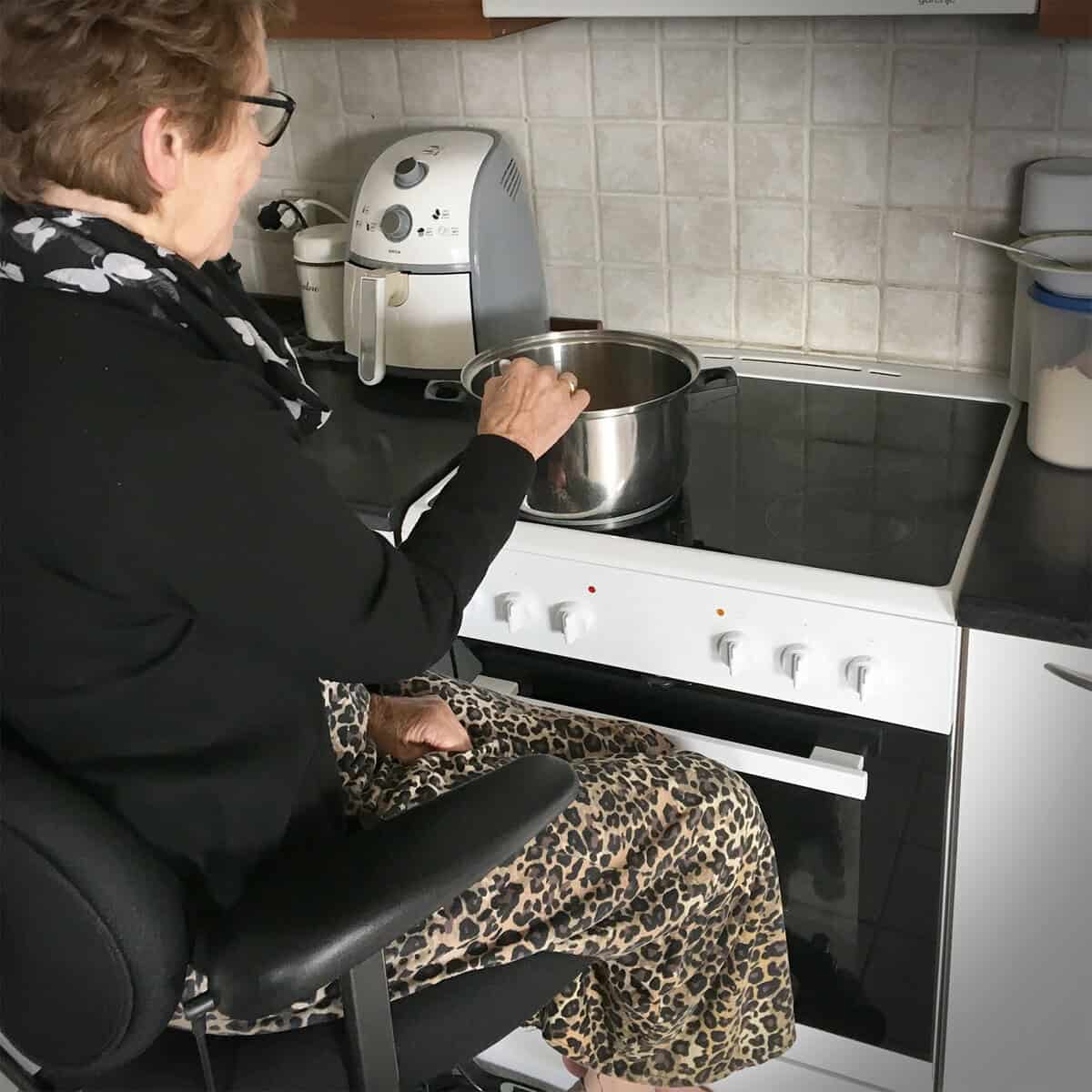
Incorporating tools such as the VELA Chair can significantly extend the time seniors can live independently at home. Designed with features that emphasize safety and mobility, like electric height adjustment and ease of movement while seated, these chairs address common challenges such as energy expenditure and the risk of falls. With recent trends, wearable motion sensors and smart monitoring can now be integrated for real-time alerts and tailored therapeutic guidance, contributing to effective rehabilitation and fall prevention in both community and home care. Picture Mrs. Green cooking in her kitchen, secure with the chair’s central brake, or comfortably transitioning from preparing meals to reading at her table. With such support, the necessity for nursing home care might be delayed, allowing for a dignified and autonomous lifestyle at home. While VELA represents a proven option, numerous other mobility solutions exist, each offering unique benefits that cater to various needs and accommodating new standards in inclusive design and user experience.[3]