

Updated February 2026: We have updated the article with the latest cost trends for assisted living in Houston, including projections for 2026. The new information reflects the rising median monthly costs and industry-wide annual rate increases. No new updates were made to assistive technology, rehabilitation, or accessibility innovations, as recent research focused solely on cost and industry trends.
Updated October 2025: We have updated the article with new insights on recent innovations in assistive technology, including AI-enabled mobility aids, wearable rehabilitation robots, and voice-activated home automation systems. We have also included updated cost trends and expanded information on funding and regulatory pathways for accessing advanced assistive devices in Houston assisted living communities.
Understanding the Cost of Assisted Living in Houston, TX
Planning for senior housing in Houston involves understanding cost dynamics, which is crucial for making informed decisions. The city offers a wide variety of assisted living options, with prices significantly varying based on care levels and amenities. According to A Place for Mom, as of now, the average cost of assisted living Houston ranges from $3,750 to $4,245 per month. This figure provides a baseline for individuals exploring options for themselves or loved ones in this metropolitan area. Recent data confirms that assisted living costs in Houston are rising, consistent with national trends, though Texas continues to offer rates that are generally more affordable than many other states. CareScout
However, these numbers don’t capture the full story as costs fluctuate based on various factors such as facility amenities, levels of care, and neighborhood locations. According to PayingForSeniorCare.com, it’s important to consider that inflation could increase monthly fees by approximately 8% soon. Critical considerations include whether facilities offer private or semi-private rooms, specialized care plans, and additional services such as wellness programs, dining options, and community activities.
2026 Update: Industry research for 2026 shows the estimated median cost of assisted living in Houston is projected to be approximately $6,313 per month, reflecting moderate annual rate increases of 5-10% across the industry. This projection is consistent with national cost increases and underscores the importance of planning for future senior living expenses.
Houston’s Senior Population: Needs and Trends
Understanding the needs of Houston’s senior population helps explain cost variances in assisted living. Seniors in Houston represent about 11% of the overall population and present diverse needs, especially concerning healthcare and socio-economic status. Common conditions like diabetes, dementia, and cardiovascular disease influence care needs and, consequently, the selection of housing.
This demographic diversity necessitates a thorough evaluation of personal circumstances to select the most appropriate care setting. According to demographic data from Houston Population Insights, there’s significant socio-economic diversity among Houston’s seniors, with some relying heavily on Medicaid or similar programs, while others seek high-end facilities with all-inclusive pricing models.
What Influences Assisted Living Pricing in Houston?
Several factors influence assisted living Houston prices, including facility type, room size, care level required, and contract models. For example, luxury facilities like The Buckingham provide comprehensive Life Care contracts starting at $4,291, while more basic options begin around $3,253, as noted by The Buckingham Houston.
Selecting the right facility also involves exploring logistical solutions like effective mobility strategies. As families contend with the challenges of finding suitable living arrangements, many seek solutions that maintain independence while addressing safety and daily living needs. In recent years, assisted living options in Houston are increasingly enhanced by technological breakthroughs. For example, AI-enabled smart mobility aids—including wheelchairs, walkers, and scooters—now feature obstacle detection and adaptive navigation to increase resident autonomy and safety. Wearable rehabilitation robots and exoskeletons, using artificial intelligence, are available to improve gait, personalize mobility support, and boost rehabilitation outcomes. Voice-activated home automation systems add another layer of independence and security for those with limited motor skills, enabling easier control over their environment. These advances, supported by more widely available funding and insurance mechanisms, may help reduce the overall caregiver burden and enable cost efficiencies for certain residents. AbilityMT.org AssistiveTechHub.com.au PMC LetsEnvision.com
Product innovations also extend to specialized ergonomic adaptive devices, such as prosthetics with AI-driven support and assistive beauty systems for those with upper limb limitations. Clinical evidence indicates that the adoption of these technologies can improve both mobility and rehabilitation results, supporting a shift toward greater resident autonomy within assisted living communities. Equal Accessibility LLC CES 2025 Awards
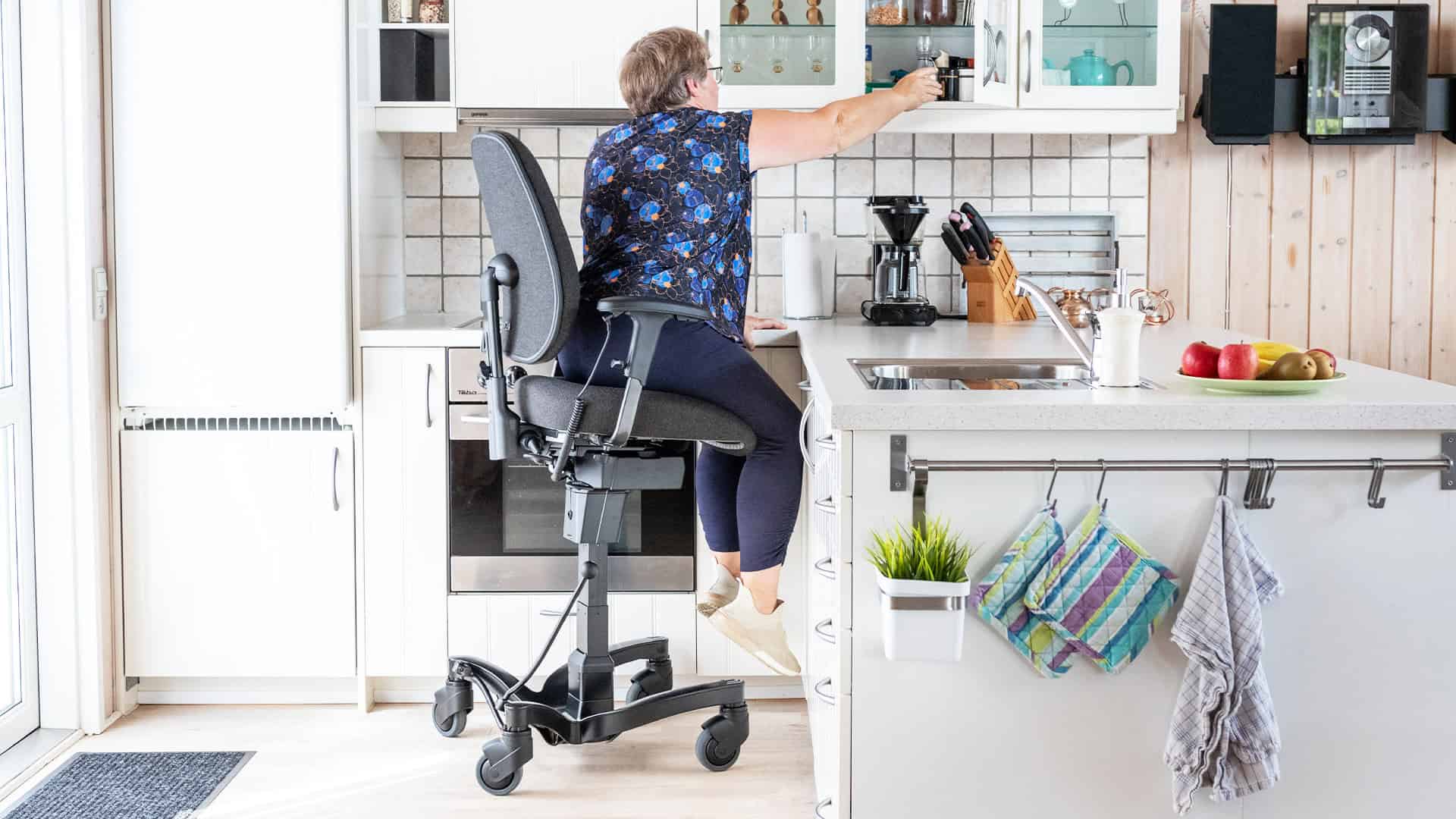
The VELA Independence Chair remains a leading medically approved mobility aid designed to enhance safety and augment freedom of movement at home. As part of a broader trend, mobility solutions like VELA support daily activities such as cooking, dressing, and transferring. By addressing both functional needs and ergonomic challenges, modern mobility aids alleviate some pressures on informal caregivers by reducing physical demands, potentially influencing the cost and staffing patterns of assisted living.
Top-Rated Assisted Living Communities in Houston
Houston hosts numerous top-rated assisted living communities, each offering unique programs and services. Facilities like The Buckingham, Belmont Village West University, and Brookdale Galleria provide varied amenities and price points tailored to meet diverse needs. Reviews on A Place for Mom highlight common features such as attentive staff, tailored meal plans, and engaging social activities, as noted by residents and families alike.
Choosing the right community involves considering both personal preferences and budget constraints. Prospective residents should ideally undertake visits to various facilities, compare offerings, and read testimonials to ensure a good fit.
How to Pay for Assisted Living: Insurance, Medicaid, and Veteran Benefits
Financing assisted living involves various options, ranging from self-funding to leveraging insurance, Medicaid, or veteran benefits. Understanding eligibility and application procedures for each funding source is vital in making informed decisions about managing expenses.
For those eligible, Medicaid and specific insurance plans can significantly offset costs. Additionally, veterans might have access to benefits through programs such as Aid and Attendance, which can assist in covering these expenses. As regulatory and reimbursement frameworks in Texas and nationally continue to evolve, more residents can access funding for advanced assistive devices, including through insurance toolkits and government-supported disability schemes. Australia’s National Disability Insurance Scheme (NDIS) is cited as a notable funding model, and similar approaches are becoming more common in the US. This expanded access is particularly relevant for families considering integrating state-of-the-art assistive technologies into assisted living care. AssistiveTechHub.com.au World Health Organization
Answers to Common Assisted Living Questions
Prospective residents or their families often have numerous questions regarding costs, services, and facility rules. Common queries include whether the average price covers essential services like housekeeping and meals, how luxury options differ in scope and price, and whether personal equipment like mobility chairs can be accommodated.
In summary, choosing the right assisted living facility in Houston involves carefully considering budget, required care levels, and personal preferences. The rapid adoption of seamless, AI-driven assistive technologies is reshaping resident experiences and expense structures, supporting greater independence while helping manage long-term costs. Thorough research, direct facility visits, and leveraging reliable resources such as Texas Health and Human Services can help families make informed decisions. The dynamic pricing landscape and Houston’s varied senior population underscore the need for personalized assessments to find suitable living arrangements.
For more information on maintaining independence at home, visit this resource. While VELA may not be the sole solution for every household, it offers a proven, user-friendly way to extend the comforts of home living safely and sustainably.
- A Place for Mom, 2025 report on assisted living costs by state
- AssistiveTechHub.com.au, Top Assistive Tech Innovations in 2025
- CareScout, 2024-2025 Assisted Living Cost Report
- PMC, Recent trends in assistive technology for mobility
- CES 2025 Awards, assistive tech innovations
- Equal Accessibility LLC, Innovations in assistive technology
- LetsEnvision.com, The Future of Assistive Technology & AI
- AbilityMT.org, Smart wheelchairs and assistive technology trends 2025
- World Health Organization, Assistive technology factsheet