

Updated February 2026: We have updated the article with the latest 2026 cost estimates for assisted living in Baton Rouge and clarified national pricing context. No new research or policy changes affecting assistive technologies, rehabilitation practices, or regulations were identified after May 2025.
Updated October 2025: We have updated the article with the latest insights on the integration of assistive technologies, continued trends in ergonomic and inclusive design, and the current regulatory landscape affecting the cost and accessibility of assisted living in Baton Rouge. No new regulations or major policy changes were identified, but we address the heightened emphasis on technology and environment design for better quality of life and independence.
Addressing the Cost of Assisted Living in Baton Rouge
Understanding the cost of assisted living in Baton Rouge is crucial for families weighing this senior care option. Knowledge of local pricing is essential for informed decision-making, ensuring the chosen facility meets loved ones’ needs while fitting within budget constraints. As of 2026 estimates, the average cost of assisted living in Baton Rouge is between $4,093 and $4,281 per month, reflecting a modest increase from previous years and continuing to offer savings compared to national averages. This provides a practical baseline for evaluating regional options.
Understanding Assisted Living Costs in Baton Rouge
When comparing assisted living costs in Baton Rouge, it’s important to consider both regional and national averages. Baton Rouge’s costs in 2026 remain below the national median of $6,313 per month, with national in-home care now averaging above $6,675 monthly. Within Baton Rouge, facility pricing varies: some communities start as low as $3,466 for basic studio accommodations, while higher levels of care and amenities can reach $5,272 or more. These variances arise from local economic factors and the spectrum of services and amenities offered by assisted living communities. For instance, certain facilities remain attractive to budget-conscious families with starting rates close to the lower end of the local range.
Financial Support Options for Assisted Living
Exploring financial assistance can significantly ease the cost burden, making it vital to consider available options. Medicaid remains limited and does not cover direct assisted living costs in most cases, long-term care insurance and Veterans’ benefits continue as important resources, and alternative funding methods like reverse mortgages or leveraging life insurance may provide additional support. In Baton Rouge, state-based programs help address a range of senior financial needs as in previous years, though coverage specifics are subject to eligibility and plan details.
Choosing the Best Assisted Living Community in Baton Rouge
Selecting the right assisted living facility requires assessing factors such as care level, amenities, staff qualifications, and community reviews. Effective comparisons of local providers are essential for informed choices. Facilities in Baton Rouge continue to offer diverse services, such as memory care, on-site activities, and pet-friendly policies, with costs ranging from approximately $4,724 to $5,272 depending on care levels and additional amenities.
Enhancing Independence with Mobility Solutions
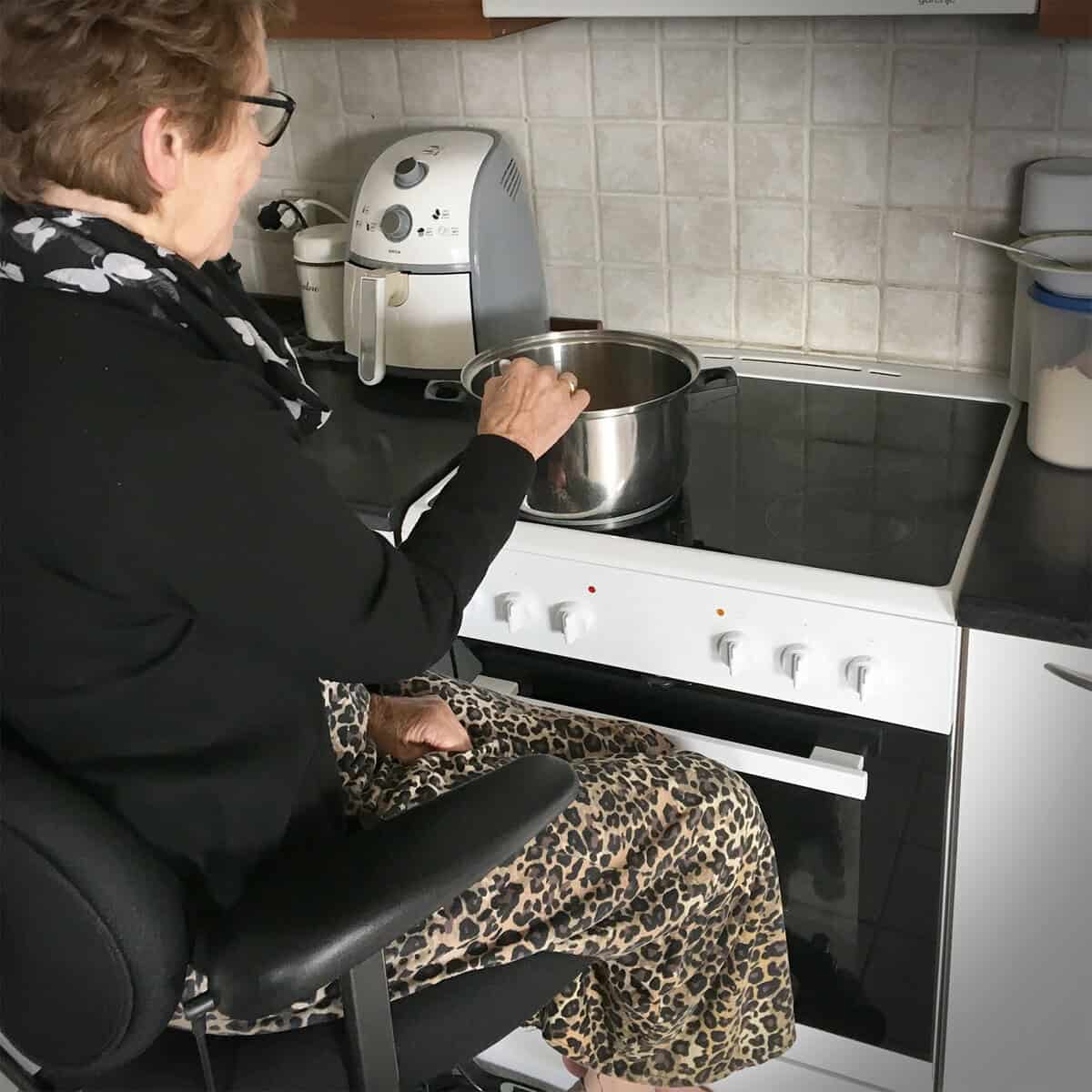
Many families face the tough choice of when to transition their loved ones to assisted living, primarily due to mobility challenges or the need for increased safety at home. Integrating assistive technologies, which is an ongoing trend in the industry, can greatly support senior autonomy and potentially delay this transition. VELA chairs, for example, offer such a solution with their medically approved design. This mobility chair enhances safety and freedom of movement, allowing seniors to conduct daily tasks such as cooking, dressing, and transferring with ease. These innovations support older adults in maintaining their independence while easing the burden on informal caregivers by reducing physical strain and the likelihood of falls. The continued focus on ergonomic and accessible environments aligns with best practices recommended by major organizations (WHO.int, MayoClinic.org), though no new scientific publications or guidelines have been released in this domain since May 2025.
Exploring Alternatives to Nursing Homes
Mobility solutions such as VELA Chairs can significantly impact the ability of seniors to remain in their homes longer, potentially delaying the need for nursing homes. These chairs incorporate features like a central brake system for safety, electric height adjustability, and smooth-moving wheels, allowing seniors to move effortlessly without leaving their seat. This setup not only bolsters independence but also enhances safety and dignity in daily activities such as cooking and cleaning. More insight into these assistive solutions is available from dedicated mobility resources. The ongoing developments in ergonomic design and assistive technology—though no new policy changes have been recently noted—align with national and international recommendations for aging in place and inclusive environments, with no significant updates reported by leading authorities since May 2025. By alleviating physical exertion and reducing falls, VELA Chairs continue to offer a practical, proven solution for aging in place, empowering seniors while supporting caregiver roles.