

Updated September 2025: We have updated the article with the latest cost data for assisted living in Indiana, details on new Medicaid waiver programs that streamline access to assisted living services, recent trends in preventive home modifications for fall and injury prevention, and current expert perspectives and legislative actions supporting increased emphasis on seniors’ independence and proactive care solutions.
Cost of Assisted Living in Indiana: 2025 Breakdown
According to Seniors Guide (2025 update), the median monthly cost of assisted living in Indiana now typically ranges between $4,300 and $5,300—a modest decrease or stabilization compared to prior years, likely due to updated Medicaid reimbursement policies, increased financial assistance programs, and regional pricing adjustments[1][3][5]. Costs still vary widely: Bloomington averages around $3,108 per month, while Evansville can reach as high as $7,245. These differences are determined by local living expenses, facility amenities, and regional demand.
Indiana remains relatively competitive compared to national benchmarks, with the statewide median in line with the national median of $5,190 as reported by A Place for Mom[5]. However, seniors and their families should note that inflation, economic fluctuations, and healthcare cost trends affect these figures. Those on fixed incomes must carefully consider both immediate and future-care expenses when making long-term plans.
Factors influencing assisted living pricing in Indiana
Several factors influence assisted living costs across Indiana. Geographic variations are significant; more populous cities typically command higher prices due to greater demand and urban living expenses. Furthermore, the type and level of care required can significantly affect pricing. For instance, memory care for residents with dementia or Alzheimer’s adds approximately $1,500 more per month to the base cost, as noted by AssistedLiving.org.
Facility amenities are another crucial pricing determinant. Facilities offering luxurious extras such as private rooms, gourmet dining options, and state-of-the-art fitness centers often charge premium rates. Silver Birch Living in Bloomington, for example, is known for its affordable yet comprehensive offerings, appealing to cost-conscious seniors without sacrificing quality.
Financial assistance and Medicaid options for seniors in Indiana
Navigating financial assistance options continues to evolve. Effective July 2025, Indiana has established separate Medicaid waivers specifically for assisted living services, as defined in the new HB 1592 law[2][6]. This legislation enables faster functional eligibility determinations (within 72 hours) and more streamlined authorization and reimbursement in assisted living settings, ensuring more timely access to care for eligible seniors. These specialized waivers focus on financial need and care requirements and are intended to make transitions to assisted living communities more efficient[2][7].
In addition to these changes, Indiana’s IN-Home Services and the CHOICE program provide state-funded supports that emphasize injury prevention and maintaining seniors’ independence, often through proactive home safety modifications like grab bars and ramps[4]. By prioritizing preventive strategies and enabling seniors to age in place, Indiana’s approach reflects current best practices and political support for injury prevention and non-institutional care[4].
Enhancing safety and independence: the role of VELA chairs in assisted living
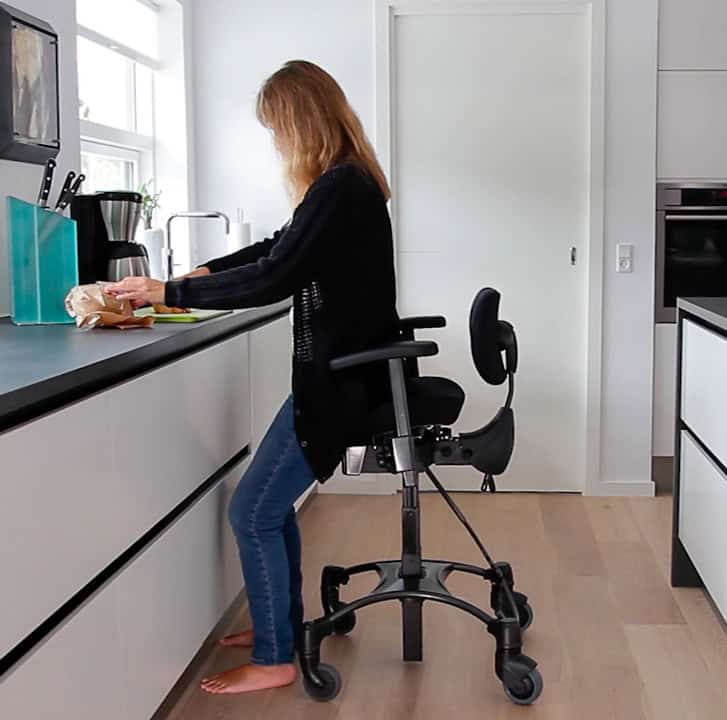
Assisted living environments must prioritize safety and independence, critical for enhancing residents’ quality of life. Recent advancements in assistive technology, alongside programs focusing on home modifications and fall prevention, reflect Indiana’s shift toward more proactive, non-institutional care supports[4]. Adaptive equipment, such as VELA chairs, plays an instrumental role in maintaining mobility and reducing fall risks. While many older adults face challenges in nursing homes, there are now increased options and policies encouraging seniors to remain independent at home. VELA is one such solution—a medically approved mobility chair tailored for home use. These chairs enhance safety and support freedom of movement while seated, assisting with daily activities like cooking, dressing, and transferring, and reducing the physical demands on caregivers to enable a more independent lifestyle.
Comprehensive planning for Indiana seniors
Today, understanding the cost of assisted living in Indiana requires a comprehensive perspective, incorporating city-specific pricing, current care level considerations, and enhanced opportunities for state-based financial aid. The integration of preventive care, assistive technology, and ergonomic solutions like VELA chairs supports safer and more independent living environments for seniors. As Indiana policymakers and experts increasingly advocate for injury prevention and independent living strategies, making informed care decisions with guidance from up-to-date sources such as Seniors Guide and A Place for Mom is more important than ever for balancing quality care with financial sustainability[1][3][4][5].
Supporting aging in place: a practical option
VELA chairs remain a strong example of how mobility solutions and home adaptations can help seniors maintain independence at home, often delaying or reducing the need for institutional nursing home care. These advancements align with Indiana’s new policies, supporting early intervention and home-based assistance as effective alternatives to long-term institutionalization. Features of the VELA Chair, such as a central brake for safety and electric height adjustment, continue to make everyday tasks safer and easier at home. As state funding and expert opinion increasingly prioritize injury prevention and functional independence, solutions like VELA are proven, effective tools for supporting elderly independence and quality of life[4].
[1] Seniors Guide: “Assisted Living in Indiana: What Does It Cost and Why?” (June 2025 update)
[2] Indiana HB 1592 (2025) legislative text—new Medicaid waiver for assisted living, eligibility, and timelines
[3] Seniorsite.org “15 Most Affordable Assisted Living Facilities by State [2025 Guide]”
[4] Louisville Public Media, July 2025: Indiana law funds injury prevention and home modification for seniors
[5] A Place for Mom: Assisted Living Costs by State (2025 Pricing Guide)
[6] AHCA/NCAL Assisted Living State Regulatory Review (June 2025 updates)
[7] Indiana Division of Disability and Rehabilitative Services CY2025 Allowable Room and Board Rates