

Updated September 2025: We have updated the article with new findings on recent advances in assistive technology, updated Rhode Island assisted living cost trends, advances in rehabilitation, and regulatory changes supporting accessible technology adoption. The content now reflects the impact of smart mobility aids, virtual reality therapies, policy updates, and expert perspectives related to assisted living in Rhode Island.
Navigating the Financial Landscape of Assisted Living in Rhode Island
Rhode Island’s assisted living costs are among the highest in the United States, with a median monthly expense of $5,670 according to A Place for Mom. This surpasses the national average and poses significant financial considerations for families planning long-term care. Understanding these costs and the factors influencing them is crucial for effective planning.
Understanding Assisted Living Costs in Rhode Island
Assisted living costs in Rhode Island are on an upward trend, now averaging around $5,800 to $6,100 monthly as of 2025, according to recent Genworth Cost of Care and SeniorLiving.org data. Variations remain wide—from $4,350 to $7,795 monthly—depending on service offerings and pricing models, such as tiered pricing based on care level versus all-inclusive packages. Importantly, facilities are increasingly integrating new assistive technologies into their offerings, including smart wearable devices and real-time monitoring, which can enhance safety and independence. These innovations, while representing an initial investment, may also generate long-term cost savings by reducing fall risk, hospital admissions, and labor needs. When comparing options—such as a facility with traditional care versus one leveraging the latest in smart technology—families should weigh not only upfront price differences, but also value, safety, and future cost offsets linked to these solutions.
Demographic Shifts and Their Impact on Assisted Living
According to Ocean State Stories, Rhode Island’s population aged 75 and older is expected to reach 9% by 2025, with a further increase anticipated by 2040. This aging demographic is a key driver of growing demand for assisted living, which in turn contributes to upward cost pressure. In response, facilities are adopting personalized rehabilitation programs enhanced by technologies such as virtual reality (VR) therapy and sensor-based gait training. These advances can help improve mobility outcomes and reduce caregiver burden, offering additional value to families. Clinicians increasingly recommend early integration of assistive technologies in care plans to support resident autonomy and potentially delay more intensive and costly forms of care.
Financial Assistance and Medicaid Programs in Rhode Island
Rhode Island provides financial aid through Medicaid and Category D assistance for eligible seniors. As noted by the Rhode Island Executive Office of Health and Human Services and RIALA, Medicaid covers some costs for those with monthly incomes below $2,901. The Room and Board Rate cap of $1,299 offers relief, though eligibility criteria can be strict. Incremental updates in federal and state guidelines now emphasize inclusion of accessible technology standards in assisted living facilities, and funding models increasingly support assistive technologies as reimbursable expenses. For example, the Smith family successfully navigated these programs to reduce the financial burden on their elderly relative, emphasizing the impact of thorough understanding and resource utilization. As guidelines evolve, families should review newly available resources for technology-driven solutions and funding support.
Comparing Assisted Living with Other Senior Care Options
Deciding between assisted living and alternatives like home care, nursing homes, or adult day care is crucial. Paying For Senior Care highlights that choosing home care can be more affordable but might not include the comprehensive services available at assisted living facilities. However, new developments in mobility aids and in-home technologies—such as AI-powered fall detection devices or sensor-based rehab tools—are making it easier to support a high quality of life in a home environment. For instance, a family with a senior needing minimal assistance may find these solutions prolong independent living, while others may still prefer the comprehensive oversight available at assisted living facilities. Personalized decision-making based on individual needs, technology readiness, and resources remains vital.
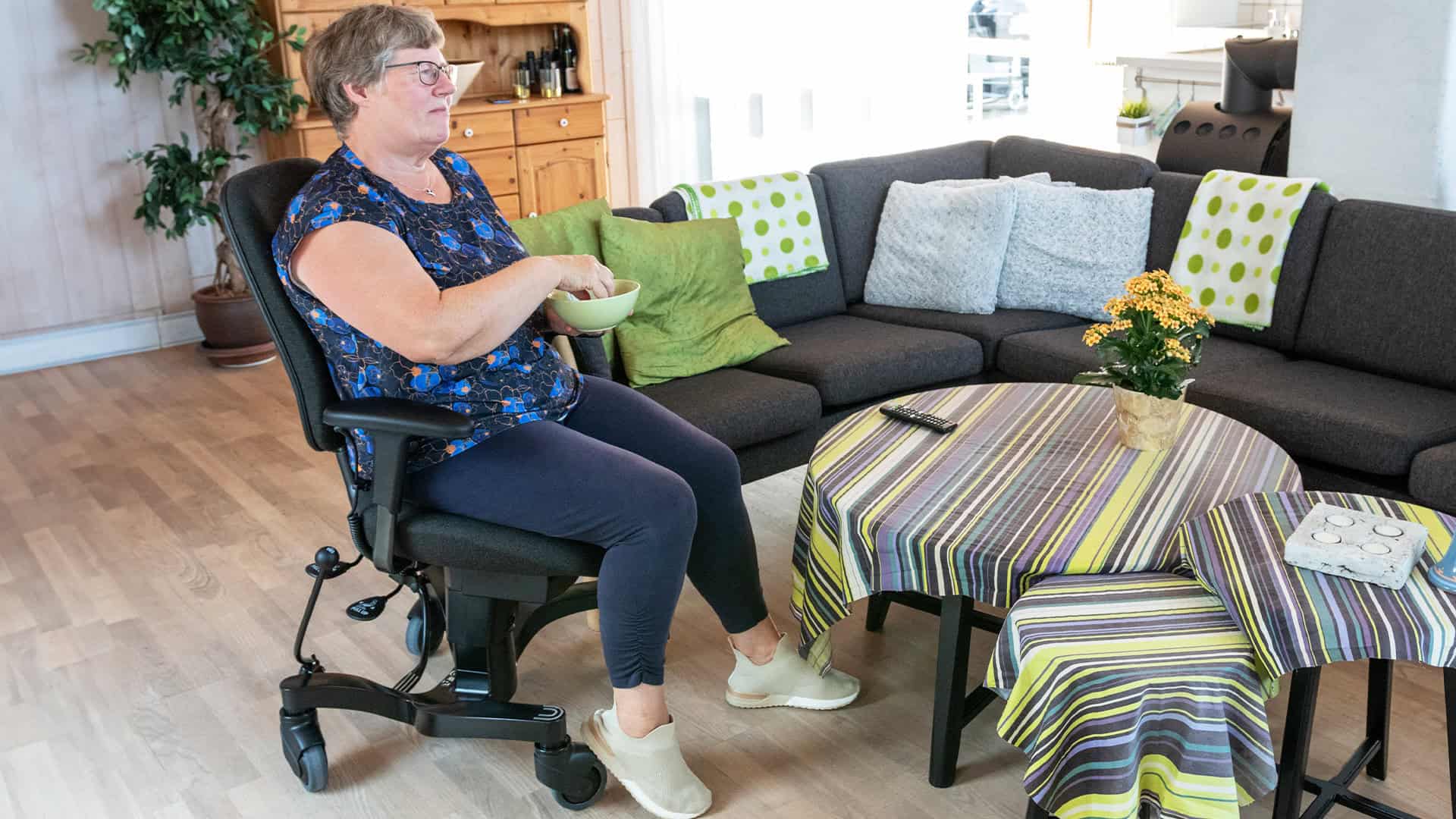
In light of the challenges associated with nursing homes, such as high costs and the potential for limited personal attention, families often explore solutions that facilitate independence for older adults in their own homes. One such solution is the VELA Independence Chair, a medically approved mobility aid crafted to enhance safety and ease of movement within the household. Alongside new innovations in assistive seating and smart mobility devices, this chair supports various daily activities, including cooking, dressing, and transferring, while alleviating the physical demands on informal caregivers. Its design focuses on diminishing the effort needed to remain active and independent, providing an effective alternative to residential care and aligning with current clinical advice advocating early adoption of assistive technologies.
Financial Planning Strategies and Future Considerations
Effective financial planning is vital given the high—and rising—costs associated with assisted living in Rhode Island. Options like long-term care insurance and veteran benefits can provide financial support. ElderLife Financial advises early planning to mitigate the risk of depleting resources. New cost structures tied to investment in technology-enabled care may yield long-term savings by reducing falls, costly hospitalizations, and labor needs. With a predicted 60% increase in the senior population by 2040, evolving technology, labor trends, and regulatory shifts support robust and flexible long-term care strategies that incorporate assistive solutions.
Evaluating Value Beyond Cost
While cost is a significant factor, families should consider the enhanced value modern assistive technologies bring to assisted living services. Key considerations include quality of care, facility reputation, the range of mobility and safety supports available, and the integration of smart technologies and social activity programming. Satisfaction levels among current residents and proximity to medical facilities are also critical elements. Facilities investing in advanced solutions such as real-time monitoring, AI-powered fall detection, and VR-enhanced therapy can offer higher levels of safety, independence, and satisfaction. Consider the example of Maplewood Manor, known for its high resident satisfaction and comprehensive care, illustrating that the lowest cost may not always equal the best choice for quality care—especially as new technologies reshape daily living experience and outcomes.
Navigating assisted living in Rhode Island demands attentive financial and logistic planning to address both current and future needs. Understanding the dynamics from demographic shifts to financial assistance and technological integration can help families effectively navigate this complex landscape, ensuring the best possible care for their loved ones.
Supporting Aging in Place: A Practical Option
The VELA Chair offers a practical solution for seniors wishing to maintain independence at home longer. Equipped with features like a central brake system for stability and electric height adjustability, the chair enhances safety and facilitates smoother transfers, addressing common senior mobility challenges. Recent expert guidance and research support the use of customizable, user-friendly assistive devices—such as those following new WHO assistive technology guidelines—to promote independence and reduce caregiver burden. Maintaining independence and delaying the need for nursing home admission provide both emotional benefits and cost savings. Additionally, the VELA Chair aids in daily routines such as kitchen tasks, allowing seniors to maintain involvement in their household activities while reducing the strain on caregivers. This supports a dignified, active lifestyle, reinforcing the value of solutions that promote aging in place. While VELA is one option amongst many, its proven benefits reflect the broader trend towards technology-enhanced home mobility. For more insights into fall prevention and safety measures, explore detailed Mobility Solutions for Safety.